
Home > showlist
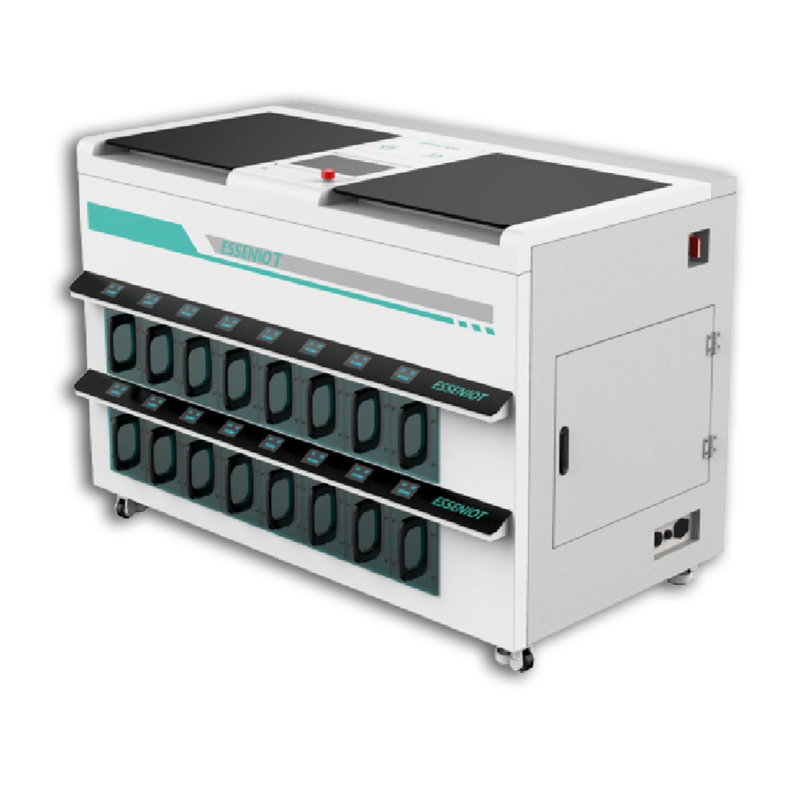
Robots are becoming more common in hospitals. They help with surgeries, deliver medicine, and even assist nurses. While these machines can make healthcare better, they also come with risks. It's important to think about what can go wrong when we use robots in hospitals. Companies like Esseniot are working hard to make sure these robots are safe and helpful. However, we must be careful and aware of the problems that can happen when robots are part of patient care.
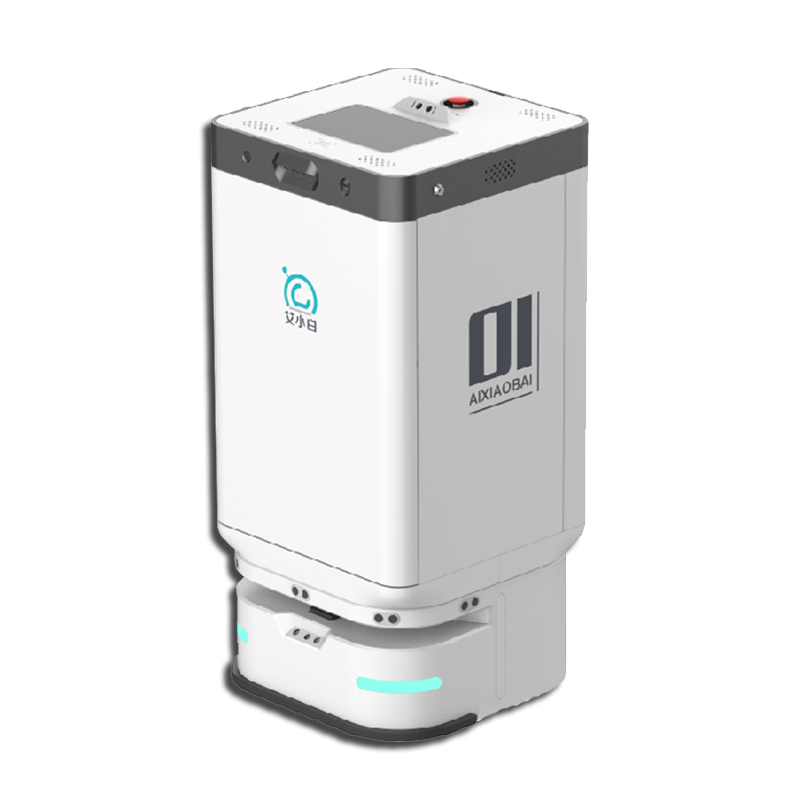
There are several risks linked to using Hospital Delivery Robots. First, if a robot makes a mistake, it can hurt a patient. For example, if a surgical robot miscalculates, it could lead to serious injuries. Sometimes, robots can malfunction. If this happens during surgery, it can be very dangerous. Another risk is that robots may not always work well with human doctors and nurses. If a robot is giving instructions, and the staff does not understand, this can lead to confusion and mistakes. Also, if a hospital does not maintain its robots, they may break down. This means fewer robots to help patients and more stress for the staff. Moreover, some patients might feel scared or uncomfortable when they see a robot instead of a person. They may wonder if the robot will take care of them properly. Lastly, there's a risk of hacking. If someone can break into the robot's system, they could change its actions, which can be dangerous for patients. So, while robots can help in many ways, we must always think about the risks involved.
Integrating robots into hospital systems can be tough. One problem is the cost. Robots can be very expensive to buy and maintain. Smaller hospitals might struggle to afford them. Another issue is training. Staff need to learn how to use these robots. If they don’t get enough training, they might not use the robots properly. This can lead to mistakes. Also, some hospitals face challenges in getting robots to work with existing systems. If the hospital's computer system doesn’t connect well with the robot, it can cause problems. Communication between the robot and the hospital staff is also important. Miscommunication can lead to errors in patient care. Additionally, there may be resistance from the staff. Some doctors and nurses might worry about losing their jobs to robots. This Medical delivery robots fear can create tension and affect teamwork. Finally, not all patients agree on having robots in their care. Some might prefer human interaction. This can make it hard for hospitals to find a balance between using robots and keeping patients comfortable. Therefore, while robots have many benefits, hospitals face real challenges in making them work well in patient care.
Robots are becoming very important in hospitals. They help make things safer and more efficient. With their help, hospitals can reduce risks that might come from human mistakes. For example, robots can carry medicine or supplies to different parts of the hospital. This means that nurses and doctors can focus more on taking care of patients instead of running around looking for things. When robots do these tasks, they can do them quickly and accurately. This helps to make sure that patients get the right medicine at the right time.
Another way robots help is by providing information. Some robots can collect data about patients. They can take notes about vital signs, like heart rate and temperature. This Automated pharmacy delivery robots information helps doctors make better decisions about patient care. When robots are used, it not only helps to reduce the risk of mistakes but also speeds up the process of getting important information to doctors. Overall, robots are very effective in making hospitals safer and more organized, which is essential for taking good care of patients.
Today, many hospitals around the world are using advanced robots. These robots can be found in big cities as well as in smaller towns. One of the most exciting places where robots are used is in surgical rooms. Some hospitals have robots that help doctors perform surgeries. These Medical delivery robots can make very precise movements, which means doctors can operate more carefully. This can lead to shorter recovery times for patients.
Another place where robots are making a big impact is in the area of telemedicine. Some hospitals use robots that allow doctors to communicate with patients who are far away. This can be really helpful for patients who cannot visit the hospital in person. With the help of robots, doctors can see and talk to patients through screens. This way, they can still provide care even when they are not in the same location.

 ES
ES PT
PT SV
SV DE
DE TR
TR FR
FR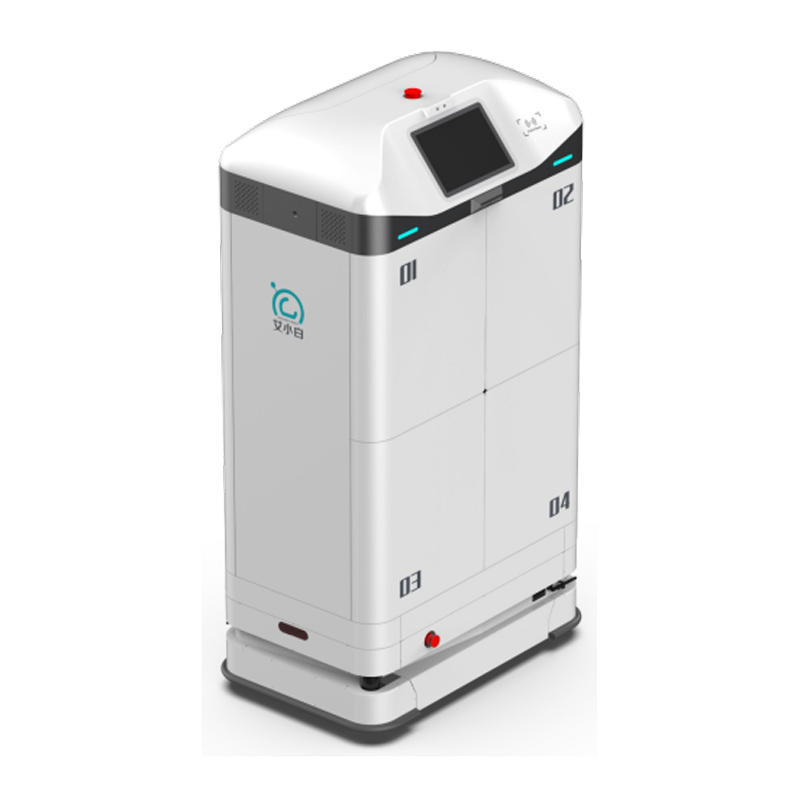



 EN
EN AR
AR NL
NL FR
FR DE
DE EL
EL HI
HI IT
IT JA
JA KO
KO PT
PT RU
RU ES
ES TL
TL ID
ID SR
SR UK
UK VI
VI HU
HU TH
TH TR
TR FA
FA SW
SW UR
UR TA
TA KK
KK