 EN
EN AR
AR NL
NL FR
FR DE
DE EL
EL HI
HI IT
IT JA
JA KO
KO PT
PT RU
RU ES
ES TL
TL ID
ID SR
SR UK
UK VI
VI HU
HU TH
TH TR
TR FA
FA SW
SW UR
UR TA
TA KK
KK
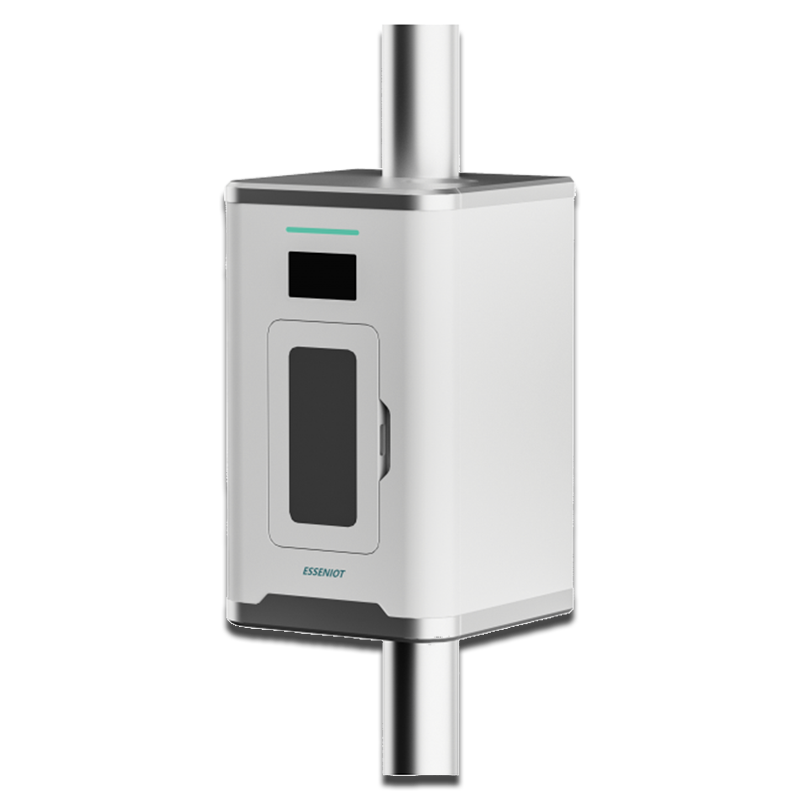
A hospital can move hundreds of blood samples, medicines, and other items through its pneumatic tube system every day. When one container is delayed, sent to the wrong station, or difficult to locate, staff can lose valuable time trying to find it. RFID+ tracking adds another layer of visibility by recording where each item is and when it moves through the network. Instead of relying on manual checks or phone calls, staff can follow the journey from the sending point to the receiving station. This makes daily hospital logistics easier to monitor, helps reduce misplaced items, and gives teams a clearer picture of what is happening inside the tube system.
Why Misplaced Samples and Lost Medications Cost Hospitals Thousands
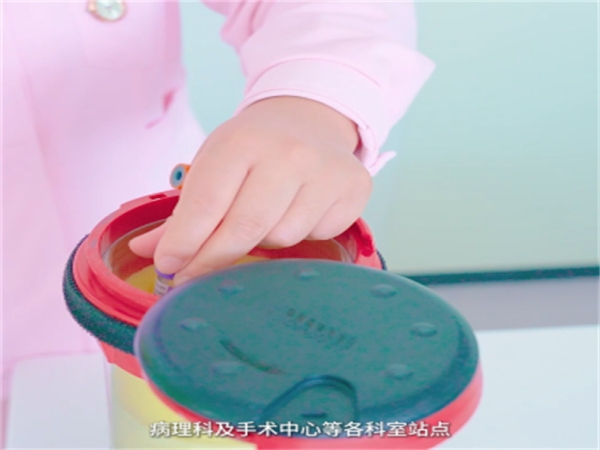
A misplaced blood sample may seem like a small logistics problem, but the real cost can quickly add up. If a laboratory does not receive a sample on time, staff may need to repeat the test, contact the ward, or ask for another specimen from the patient. A delayed medication can create a similar problem, especially when a pharmacy sends an urgent dose through a pneumatic tube system and the receiving department cannot confirm where it went. These situations can waste supplies, staff time, and transport capacity while also delaying patient care. For example, a nurse who spends 15 minutes searching for a missing tube carrier may not sound costly, but repeated searches across several departments can consume hours each day. Over a month, those small delays can become a significant operating expense. Hospitals can reduce this risk by tracking each carrier as it moves through the pneumatic tube network. RFID+ tracking can record when a carrier leaves, which route it takes, and when it reaches its destination. When something goes wrong, staff have a digital trail to check instead of relying on memory or phone calls. This also helps hospitals spot repeated problems, such as carriers being sent to the wrong station or items waiting too long at a transfer point. Before adding tracking, hospitals should review where losses and delays happen most often. Check sample rejection records, medication delivery complaints, manual search times, and tube system logs. These details can show where better tracking would have the biggest impact. The goal is not simply to track more items. It is to prevent avoidable delays and give staff a practical way to find problems before they affect patient care.
How RFID+ Tracking Works: Real-Time Location and Delivery Confirmation
RFID+ tracking works by giving each transport carrier a unique digital identity. An RFID tag is attached to the carrier, while readers placed at key points in the pneumatic tube network detect its movement. When a pharmacy sends medication to the emergency department, for example, the system can record the departure time, route, and arrival point without requiring staff to enter every detail manually. As the carrier passes through different stations, the tracking system updates its location. Once it reaches the intended destination, the delivery can be confirmed in the system. If the carrier takes an unexpected route or does not arrive within the expected time, staff can check its last recorded location and investigate quickly.
A practical setup starts with identifying the points where tracking matters most. These may include the pharmacy, laboratory, emergency department, operating rooms, nursing stations, and tube transfer areas. RFID readers can then be positioned at these locations so the system captures movement as carriers pass through. The tracking software connects these readings to the carrier's ID and creates a time-based record of its journey.
For hospital teams, the biggest benefit is simple: they no longer have to guess where a carrier might be. Instead of calling several departments to ask whether a sample arrived, staff can check the tracking record. Delivery confirmation can also provide a clear record that the carrier reached the correct station.
To get reliable results, keep RFID tags readable, test reader locations carefully, and make sure every carrier has a unique ID. Staff should also have a clear process for handling failed scans or unexpected routes. RFID+ tracking works best when the technology and daily procedures are designed together. The result is a more visible tube network where staff can follow each shipment from dispatch to delivery.
Faster Diagnostics: Reducing Lab Turnaround Times (TAT) from Hours to Seconds
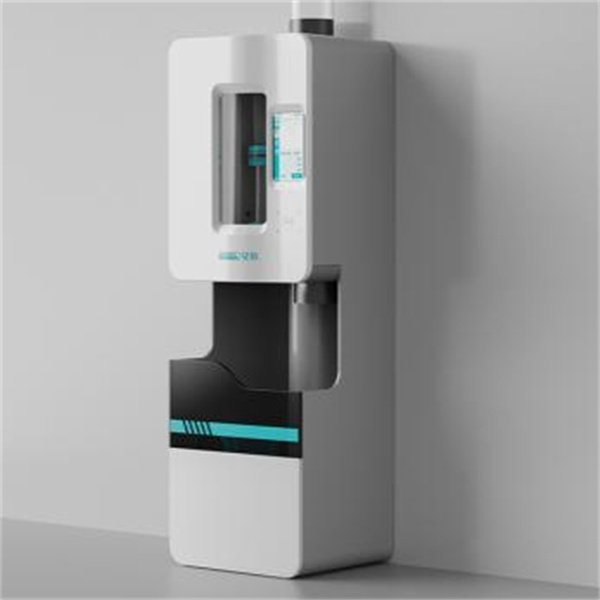
A laboratory can process a test quickly and still have a long turnaround time if the sample spends too much time waiting or traveling. A blood sample may be ready for testing within minutes, but delays can happen while staff look for a carrier, wait for transport, or call the lab to confirm whether a specimen has arrived. RFID+ tracking can help shorten this part of the process by giving staff a clear view of sample movement through the pneumatic tube system carriers network. When a sample leaves a nursing station, its movement can be recorded automatically. The laboratory team can see that the carrier is on its way and prepare for its arrival instead of waiting for a phone call.
For example, imagine an emergency department sending a blood sample for an urgent test. With manual tracking, a nurse may send the carrier and move on to another task without knowing exactly when the laboratory receives it. If the sample is delayed, someone may need to spend time checking the route. With RFID+ tracking, the system can record the dispatch and delivery events, making the transport stage much easier to monitor.
Hospitals should first measure their current TAT before making changes. Record how long samples spend being collected, transported, received, processed, and reported. This helps separate laboratory delays from logistics delays. If transportation is taking 20 minutes but actual tube travel takes only a few minutes, the tracking data can help reveal where the extra time is going.
The goal is not to make every test result available within seconds. Testing itself still takes the time required by the laboratory process. The real opportunity is to reduce unnecessary waiting between collection and testing. By tracking carriers automatically, laboratory teams can spot delays, respond faster to missing samples, and keep urgent specimens moving. Even small improvements in transport time can make a noticeable difference when hundreds of samples move through a hospital each day.
Audit-Ready Logistics: Maintaining a Complete Chain of Custody for Every Carrier
When a hospital needs to explain what happened to a blood sample, medication, or other item during transport, a simple delivery confirmation may not be enough. Staff may need to know when the carrier left, which stations it passed, when it arrived, and whether it reached the correct destination. A complete chain of custody provides this history. RFID+ tracking can help create that record automatically by connecting each carrier with time and location data throughout its journey.
For example, a laboratory may receive a specimen and find that its label is damaged or the sample has been delayed. Instead of relying on staff memories, the hospital can check the carrier's tracking history. The record may show when the sample was dispatched, which tube stations detected it, and when the laboratory received it. This gives the team useful information when reviewing an incident or checking whether transport procedures were followed.
To build an audit-ready process, start by giving every carrier a unique RFID identity. Next, map the important points along the pneumatic tube route and make sure readers can detect carriers reliably. The tracking system should record key events, such as dispatch, station passage, arrival, and delivery confirmation. Keep these records protected and accessible only to authorized staff.
Hospitals should also create a simple procedure for unusual events. If a carrier is sent to the wrong station, gets stuck, or fails to register at a reader, staff need to know who should investigate and how the event should be documented. Technology alone cannot replace a clear response process.
Regular reviews can make the system even more useful. Look for repeated route errors, missed scans, unusual delays, or carriers that often need manual intervention. These patterns can point to equipment issues or process problems.
A good chain-of-custody system does more than prepare a hospital for an audit. It gives staff a reliable history of each carrier's journey and makes it easier to answer a basic question: where was this item, and what happened to it?
Transforming Hospital Accountability with Automated Tracking Systems
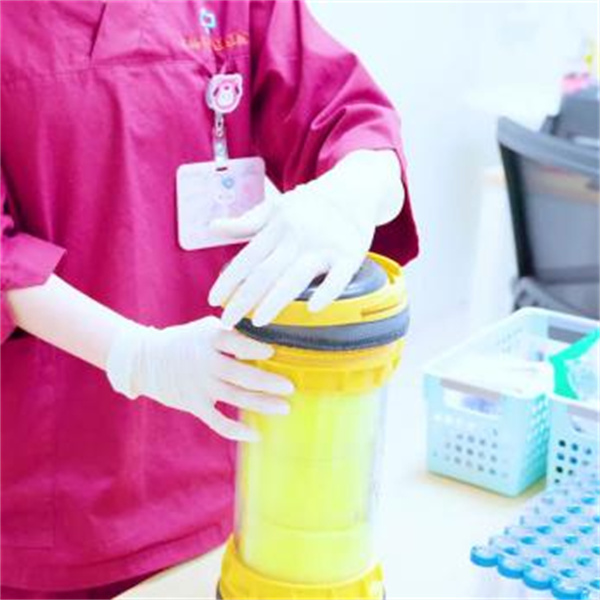
Hospital accountability becomes easier when staff can see what happened to an item without relying on memory, paper records, or a series of phone calls. Automated tracking systems can record when a pneumatic tube carrier system leaves one department, passes through the network, and reaches its destination. This creates a shared record that different teams can use when checking deliveries, investigating delays, or reviewing an incident.
Consider a busy hospital pharmacy sending several urgent medications during a shift. With manual processes, staff may know that a carrier was sent but have limited visibility after it enters the tube system. If the receiving department says it has not arrived, someone may need to call the pharmacy, check the tube station, and ask nearby staff. Automated RFID+ tracking can provide a clearer starting point by showing the carrier's latest recorded location and delivery status.
To make automated tracking useful, hospitals should first decide what needs to be monitored. Not every item may require the same level of tracking. High-priority medications, laboratory specimens, blood products, and other time-sensitive materials may deserve closer monitoring. Once priorities are clear, map the pneumatic tube network and identify the points where tracking data should be captured.
The next step is to connect tracking information with daily workflows. Staff should know how to check a carrier's status, what to do when a delivery is late, and who should handle exceptions. Alerts can be useful when a carrier does not reach its destination within an expected period, but hospitals should avoid creating so many alerts that staff begin ignoring them.
Regular reviews also boost responsibility. Managers can review delivery times, wrong routes, missed scans, and frequent delays to spot issues. The goal isn't to watch workers or place blame. It's to build a clear record that helps teams learn what went wrong and how to fix it.
With the right setup, automated tracking turns hospital logistics from a process that is difficult to see into one that staff can follow, measure, and improve.
Table of Contents
- Why Misplaced Samples and Lost Medications Cost Hospitals Thousands
- How RFID+ Tracking Works: Real-Time Location and Delivery Confirmation
- Faster Diagnostics: Reducing Lab Turnaround Times (TAT) from Hours to Seconds
- Audit-Ready Logistics: Maintaining a Complete Chain of Custody for Every Carrier
- Transforming Hospital Accountability with Automated Tracking Systems
Founded in 2013 and headquartered in Suzhou, China, Esseniot is a global provider of automated and integrated intralogistics solutions.