 EN
EN AR
AR NL
NL FR
FR DE
DE EL
EL HI
HI IT
IT JA
JA KO
KO PT
PT RU
RU ES
ES TL
TL ID
ID SR
SR UK
UK VI
VI HU
HU TH
TH TR
TR FA
FA SW
SW UR
UR TA
TA KK
KK
Hospitals never really close. Patients arrive 24 hours and their needs may alter in a matter of seconds. Behind the scenes logistics ensures the running of the hospital - whether that is medicines, lab samples, clean linen etc. In many sites there is still so much of item movement between departments which takes time and results in slower treatment times. This everyday scenario is beginning to change with the use of Laboratory Automation . With systems capable of moving items at a greater speed and logging them in real time it means more focus can be on patients and less on moving things between departments. The change goes beyond speed - it is about improving the stability of everyday life.
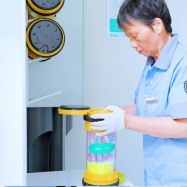
Limitations of Manual Hospital Transport Compared to Pneumatic Tube Systems
While there is a level of manual transport in hospitals, it's obvious that it's not being used widely and at peak times especially. A main issue that the manual system has is that of delays. There is lost time for the nurse or aide that has to walk down long corridors to retrieve samples from the lab, drugs, or documentation. With certain situations these few minutes can be a delay to patient treatment.Another problem that frequently arises is stress caused from the workload. There are enough other tasks that health care workers need to perform with their patient care, documentation and coordination with other departments. Routine deliveries should be taken into account so not to further fatigue them and pull away from bedside care. In order to transport the needed item it must be safe for them to make the journey. This means that staff may have to wait for the correct time for their journey and therefore the Robot Solution item is once again delayed.There is also the possibility for inconsistency with manual transport. Staff must rely on their memory, their knowledge of how to carefully handle what they are carrying, and they must also deliver it to the proper place. With the fast paced world, it is possible for mistakes to be made with their carrying of samples, with documentation, or for an item to go to the wrong department. These mistakes may then require a sample to be retested or for a mix up in documentation.There is also concern for infection control. Many individuals traveling in and out of wards, labs and pharmacies increases the probability of the spread of infection. When there is an epidemic or infection is suspected it is wise to decrease the amount of unneeded transportation to keep everyone safe.One very real world example would be at very busy ER's, blood samples needed to be delivered to the lab. If an ER nurse or aide is busy with a patient they can delay delivery of these critical blood samples. Automated systems are helpful, for instance the pneumatic tube system transports items through tubes without any human involvement.Manual transportation may still be necessary, but when high demand is placed on the system in the hospital, the issues with manual transportation can become apparent in time, workload, and reliability.
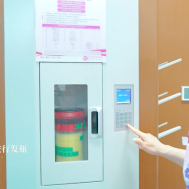
24/7 Hospital Operations Enabled by Pneumatic Tube Systems
Hospitals are open throughout the day and night and work does not stop after 5 PM. Patients still have a need for medicine and lab tests and for urgent care at 3 a.m., just as they do at 3 p.m. A pneumatic tube system aids this steady flow by quickly and reliably transporting small but significant pieces of equipment from one department to another.The system is linked in several hospitals, such as the emergency room, laboratory, pharmacy, blood bank and intensive care unit. If a doctor in the ICU requests a blood test urgently, the sample can be immediately transported directly to the lab. You do not need to wait for another person to complete another task nor go across long hallways. This helps the shift to continue even if there is only a small staff on at night.An example of this that could be applied to the real-world is in emergency departments during peak times. Nurses will usually care for multiple patients simultaneously. They can take a sample to the bedside, put it in a carrier and send it through the tube, continuing to care for patients. It arrives at the lab in a timely fashion, testing is initiated sooner, and results are available faster. This type of speed can facilitate faster treatment decisions.One advantage becomes apparent when it comes to night shifts. Manual transportation may be slower during these hours as hospitals tend to be less staffed. A pneumatic tube system does this without interruptions. This decreases staff turnover, as they are not leaving their posts only to bring items to them.The system also enables better prediction of the operations. Things go along schedules and delivery stays on schedule. This will make it easier for hospital teams to plan their work and react quicker if they receive an urgent call.
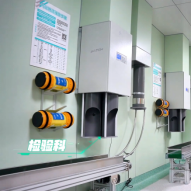
Just-in-Time Medical Deliveries with Pneumatic Tube Systems
There is a time for all things in a busy hospital. Waiting even a few minutes for medication from a doctor, a blood specimen from a lab, or supplies from a nurse when you must act quickly can be costly. That's where pneumatic tube systems aid the medical just in time delivery process. These systems move carriers through a network of tubes within minutes, rather than having to walk items from one department to another.One such example is sending blood samples from patient wards to the laboratory. Samples that are sent by a pneumatic tube system arrive in the laboratory much quicker than if they were sent manually in many hospitals. This enables technicians to start testing earlier which helps doctors obtain a quicker result and make treatment decisions.Pharmacies enjoy faster deliveries, too. If it is necessary to administer a drug quickly, a patient can be sent to the pharmacy with a carrier and the medication will be sent directly to the nursing station. Nurses get what they need without having to wait until they get a run. This can be especially useful in emergency departments, intensive care units and operating rooms, where every minute counts.The concept of just-in-time delivery isn't all about speed. It also can help to minimize the unnecessary stock storage within hospital departments. Rather than storing vast amounts of material at several different sites, hospitals can dispatch supplies as and when required. This will decrease waste, allow for inventory control and allow for space savings.Healthcare workers also save time in moving items from one department to the other. A nurse normally walks several times a day to collect drugs or lab reports and can attend to patients more. These minutes can accumulate over the course of time in an entire hospital.Pneumatic tube systems make for a reliable means of transporting supplies, medications and specimens for hospitals that are on call 24/7. They facilitate JIT deliveries allowing departments to remain connected, enhance the efficiency in work processes and provide timely patient care.
Pneumatic Tube Systems for High-Volume Healthcare Environments
From the thousands of tasks that must be accomplished each day at large hospitals, to the need for timely and dependable delivery of materials, all require fast and reliable transport. There has to be a continual flow of medications, laboratory specimens, blood products, medical records and small supplies between departments. Manual processes can become challenging when the number of patients increases. To stay current with this demand, hospitals must use a resilient and efficient method to move essential supplies and equipment quickly and logically around the hospital. To meet this demand, hospitals need to find a fast and organized way to move essential supplies and equipment throughout the hospital.In high volume healthcare settings, buildings are commonly found in multiple numbers, along with bustling emergency departments, intensive care units, operating rooms, and large labs. In such environments, hundreds or thousands of transactions on the tube system can happen every day. Instead, departments can send materials directly through the tube network, eliminating the need for staff to move the materials from one place to another. This helps to eliminate congestion in hallways, elevators and help keep deliveries moving.Blood and tissue samples, for instance, may arrive from various wards in a steady stream to a major hospital laboratory. If there is no efficient transport system, then there is a possibility of samples piling up during peak hours. A pneumatic tube network is used to keep the flow going, so that laboratory teams can process specimens as they arrive and prevent unnecessary delays.In the large healthcare facilities, the pharmacies are also overwhelmed with work. The orders for medication may come in during the day and night. A pneumatic tube system can be used so that the medicines are delivered to the nursing stations once they are ready. This enables departments to better serve patient needs, even on busy hours.Another benefit is that it is consistent. Human messengers might be held up by other people's workflow or priorities, or by traffic in the hallways and by elevator waits. Automated transport systems have fixed routes and run on a 24-hour basis, which aids to ensure a consistent and reliable delivery service, even during periods of high hospital activity.Hospitals that are anticipating future expansion take a long-term approach to pneumatics. The system can continue to support the daily operation of the system without a similar increase in manual transport staff as patient volumes increase. This simplifies workflows and allows healthcare staff to dedicate more time to patient care and less to delivering routine tasks.
Founded in 2013 and headquartered in Suzhou, China, Esseniot is a global provider of automated and integrated intralogistics solutions.