 EN
EN AR
AR NL
NL FR
FR DE
DE EL
EL HI
HI IT
IT JA
JA KO
KO PT
PT RU
RU ES
ES TL
TL ID
ID SR
SR UK
UK VI
VI HU
HU TH
TH TR
TR FA
FA SW
SW UR
UR TA
TA KK
KK
Moving critical items like blood samples, medications and lab reports isn’t just about logistics but really directly affects patient care, staff efficiency and daily hospital operations but there are two common solutions like Automated Mobile Robots (AMRs) and Pneumatic Tube Systems (PTS). Both aim to speed up deliveries and reduce manual work but they operate in very different ways also each comes with its own advantages and limitations depending on your hospital’s size, layout and specific needs and in this guide, we’ll explain how each system works, highlight where they perform best and help you decide which one fits your facility.
When to Use AMRs (Flexible Routes, Large Items)
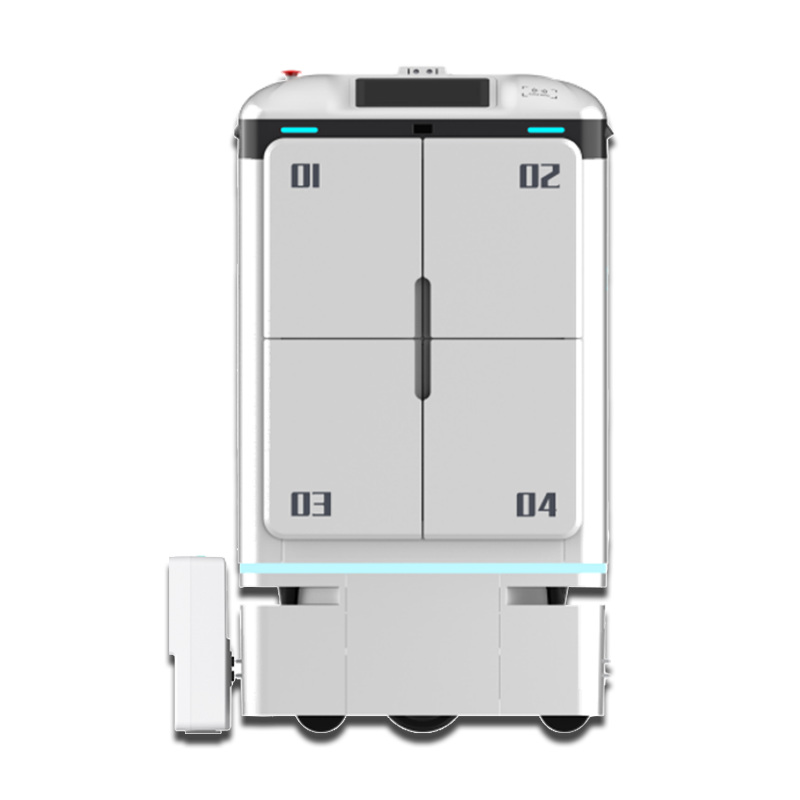
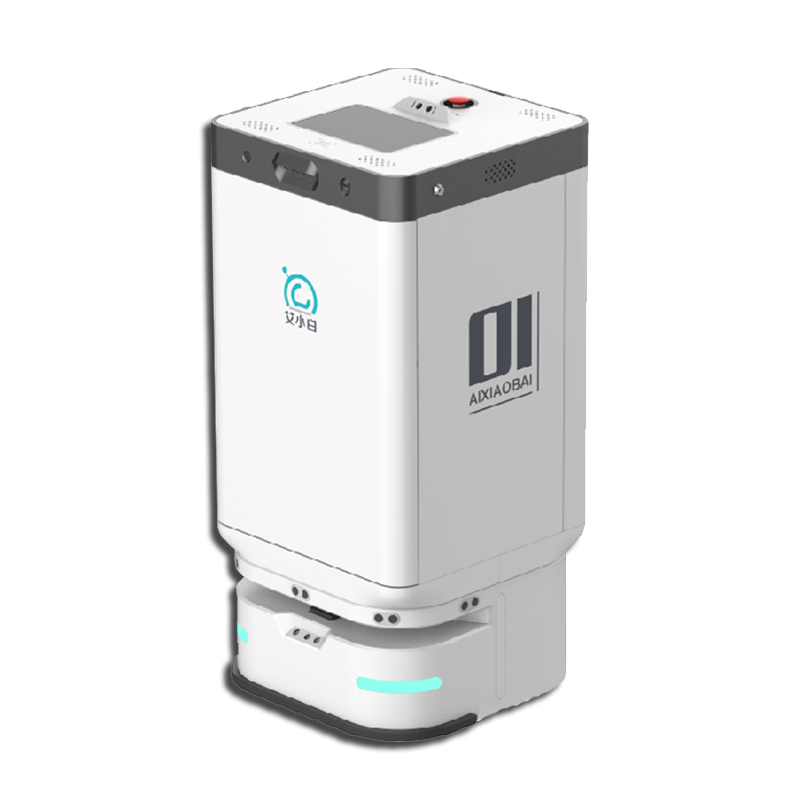
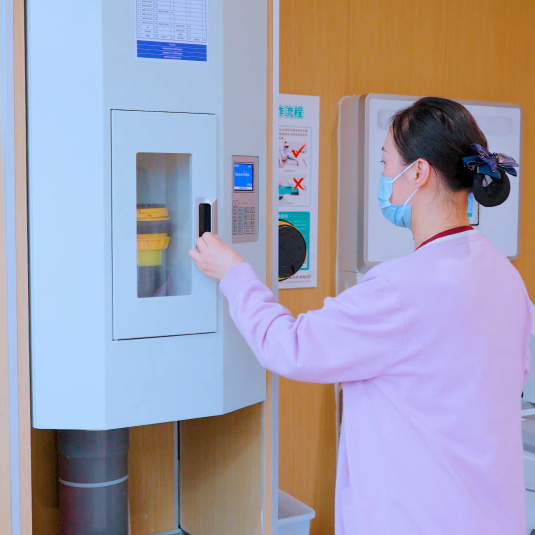
Automated Mobile Robots (AMRs) are ideal for hospitals needing flexibility and the ability to move larger or delicate items unlike fixed systems like pneumatic tubes, AMRs navigate hallways, elevators and crowded areas on their own adjusting routes in real time which makes them perfect for complex or evolving layouts. They also handle a wide range of items like medication bins, surgical tools or meals and far beyond what pneumatic tubes can carry like for instance, a hospital in Singapore uses AMRs to deliver sterile surgical kits directly to operating rooms reducing staff workload and errors. AMRs also manage deliveries across multiple floors or buildings rerouting automatically if hallways are blocked while they require smooth floors, reliable Wi-Fi and infrastructure like automatic doors once in place, AMRs offer scalable, flexible and efficient transport for hospitals with diverse and changing needs.
When to Use PTS (High Speed, Secure Small Samples)
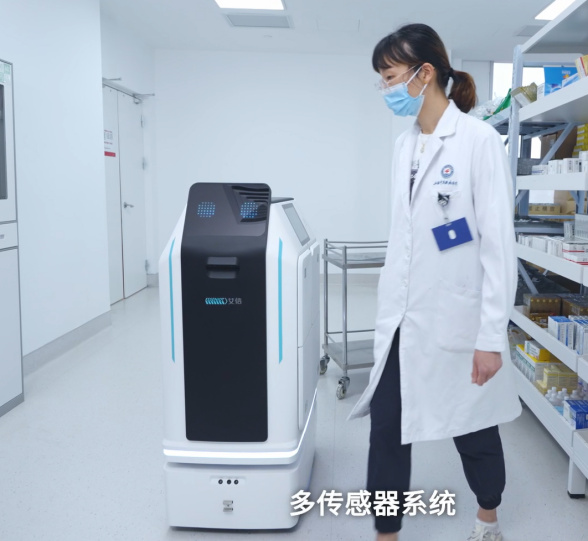
Pneumatic Tube Systems (PTS) are ideal for hospitals that need to move small time-sensitive items quickly and securely and using pressurized air, canisters travel through tubes mounted in walls or ceilings making them perfect for blood samples, lab specimens, documents and medications. Also speed is the main advantage like a sample can reach the lab in minutes often faster than walking or elevators which is crucial in emergency departments and ICUs. Security is another benefit like sealed canisters travel in enclosed tubes, often with tracking to log every trip keeping sensitive items safe and documented. However the main limits are size and flexibility because PTS can’t handle large or oddly shaped items and changing the network is difficult once installed. And for hospitals handling high volumes of small critical items where speed and security matter most, PTS offers a reliable efficient solution.
Hybrid Solutions: Combining Both for Maximum Efficiency
In many hospitals, the smartest approach isn’t choosing between AMRs and a PTS because it’s using both together also each has its strengths and a hybrid setup can cover a wide range of transport needs without slowing staff or operations. PTS works best for fast, small deliveries like blood samples, paperwork or medications while AMRs handle bulkier items such as surgical instruments, linen carts or large medication bins and this separation reduces bottlenecks and keeps workflows smooth like for instance, a hospital in South Korea uses PTS for lab samples and AMRs for supply runs letting nurses and lab techs focus on patient care instead of errands. Planning both systems is manageable like map item types and routes then assign the right system for each task and also integrating them with central software can even track deliveries from both at once. So for hospitals needing speed and flexibility, combining AMRs and PTS is often the best solution.
Founded in 2013 and headquartered in Suzhou, China, Esseniot is a global provider of automated and integrated intralogistics solutions.