 EN
EN AR
AR NL
NL FR
FR DE
DE EL
EL HI
HI IT
IT JA
JA KO
KO PT
PT RU
RU ES
ES TL
TL ID
ID SR
SR UK
UK VI
VI HU
HU TH
TH TR
TR FA
FA SW
SW UR
UR TA
TA KK
KK
Healthcare facilities face many challenges when managing medical waste. From used syringes and contaminated materials to laboratory waste and infectious items, every piece of waste must be handled safely to protect patients, workers, and the environment. Traditional waste disposal systems often depend on outside treatment services, which can create delays during emergencies or supply chain disruptions. On-site medical Medical Waste On-site Disposal System offers a practical way for hospitals and clinics to become more self-reliant. By treating waste closer to where it is created, healthcare facilities can improve safety, reduce risks, and build stronger systems that continue working even during unexpected situations.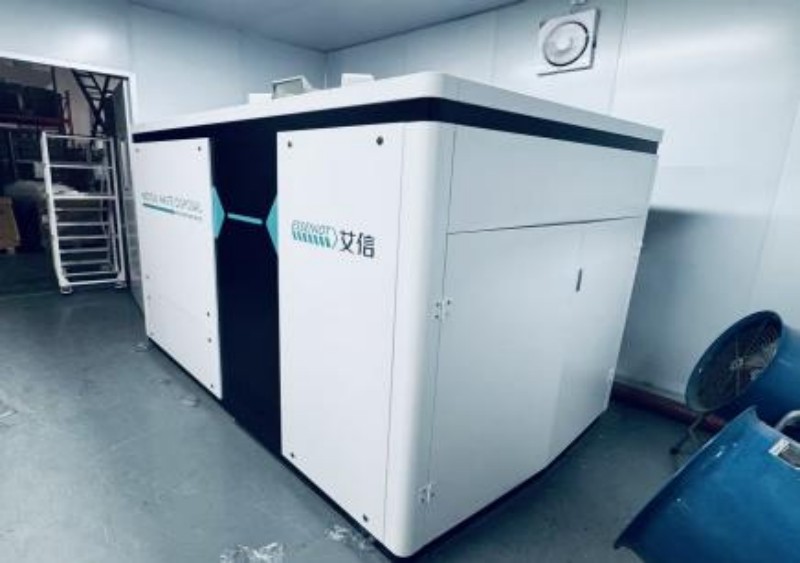
Lessons learned from pandemic response and emergency preparedness planning
The COVID-19 pandemic showed healthcare facilities around the world how quickly medical waste challenges can grow during a crisis. Hospitals that normally handled a steady amount of waste suddenly faced large increases from personal protective equipment, testing materials, and isolation areas. Many facilities experienced pressure on transportation schedules and outside treatment services, making waste management more difficult.
It is also worth noting that one of the lessons that we have learned from this pandemic is the need for waste management practices that can withstand pressures. The use of waste collection outside the hospital may be risky because there might not be enough transportation routes, or the treatment centers may be full. Some of the hospitals have already considered the use of on-site treatment for some of their wastes.
Emergency planning should include medical waste management as a key part of hospital operations. A well-prepared facility should know how much waste it can generate during normal conditions and how that amount may change during outbreaks, natural disasters, or other emergencies. Staff should also receive regular training on waste segregation, equipment operation, and safety procedures.
For example, some healthcare facilities in remote areas faced major difficulties during the pandemic because waste trucks could not always reach them on time. Hospitals in these locations found that having local treatment capabilities helped them maintain safer conditions for patients and healthcare workers.
Preparing for future emergencies is not only about having more equipment. It also requires clear procedures, trained teams, and regular reviews of emergency plans. By learning from past experiences, healthcare facilities can create waste management systems that are more flexible, reliable, and ready to respond when unexpected challenges appear.
Reducing dependence on external transportation and disposal networks
Many healthcare facilities depend on third-party companies to collect, transport, and treat medical waste. While this approach works well during normal operations, it can create risks when transportation systems face delays, fuel shortages, extreme weather, or public health emergencies. When waste stays longer than expected inside a facility, it can increase safety concerns for patients, staff, and visitors.
On-site medical waste treatment helps reduce these challenges by allowing hospitals to handle a portion of their waste where it is produced. Instead of waiting for scheduled pickups, facilities can process certain waste materials within their own premises. This creates a more reliable waste management process and gives healthcare teams better control during busy or uncertain periods.
For example, a rural hospital located far from major cities may experience longer waiting times for waste collection services. During storms or road closures, transportation delays can become even more serious. With an on-site treatment system, the hospital can reduce the amount of waste that needs to leave the facility immediately, helping maintain cleaner and safer working conditions.
Reducing dependence on outside networks does not mean removing the need for professional waste management providers. External services can still play an important role, especially for waste types that require specialized handling. Instead, on-site treatment adds another layer of protection by creating a backup option when regular systems are disrupted.
Healthcare facilities should first review their daily waste volume, available space, safety requirements, and local regulations before choosing an on-site solution. Proper planning helps ensure that the system matches the facility's actual needs. A balanced approach, combining internal treatment with reliable external services, can help hospitals build a stronger waste management strategy that remains effective during both everyday operations and emergency situations.
Integrating waste treatment into broader hospital infrastructure development
Medical waste management should be planned as part of a healthcare facility's overall design, not added as an afterthought. As hospitals expand, upgrade their buildings, or develop new campuses, waste treatment systems need to be included alongside other essential services such as water supply, energy systems, infection control, and emergency facilities.
When waste treatment is considered during the early planning stage, hospitals can create better layouts and smoother workflows. For example, placing treatment areas close to waste collection points can reduce unnecessary movement of hazardous materials through patient areas. Proper space planning also helps staff move waste safely while keeping treatment operations separate from areas used by patients and visitors.
Modern hospital development projects are increasingly focused on creating facilities that are more independent and sustainable. A new hospital in a growing community, for instance, may plan dedicated areas for on-site medical waste treatment, storage, and monitoring from the beginning. This approach makes it easier to manage increasing waste volumes as patient numbers grow.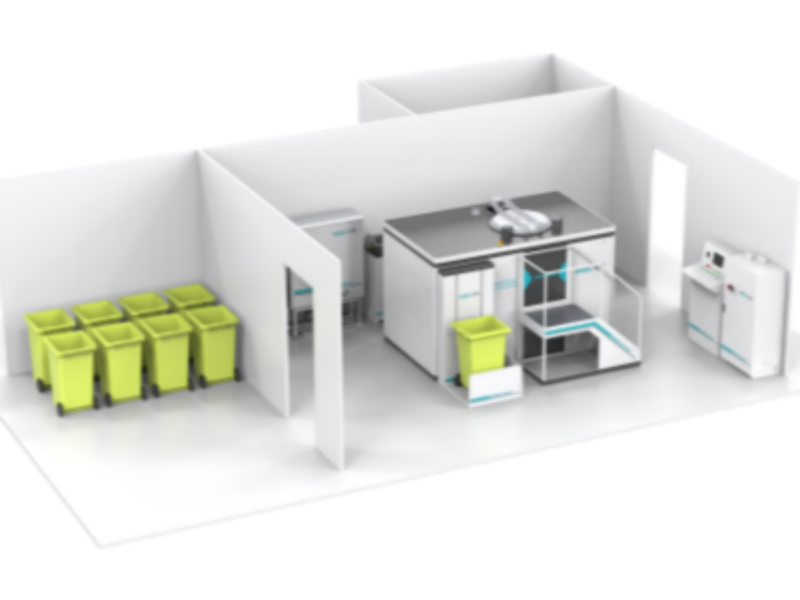
Integrating Waste and linen collection into infrastructure planning also supports better emergency readiness. Hospitals may need to handle higher waste levels during disease outbreaks, natural disasters, or mass casualty events. A facility designed with flexible waste management capacity can respond faster without placing extra pressure on outside disposal services.
Successful integration requires cooperation between hospital administrators, architects, engineers, infection control teams, and waste management specialists. Each group brings important knowledge about safety, operations, and future needs. By including medical waste treatment in the early stages of hospital development, healthcare facilities can create safer environments, improve daily efficiency, and build systems that are prepared for long-term challenges.
Founded in 2013 and headquartered in Suzhou, China, Esseniot is a global provider of automated and integrated intralogistics solutions.