 EN
EN AR
AR NL
NL FR
FR DE
DE EL
EL HI
HI IT
IT JA
JA KO
KO PT
PT RU
RU ES
ES TL
TL ID
ID SR
SR UK
UK VI
VI HU
HU TH
TH TR
TR FA
FA SW
SW UR
UR TA
TA KK
KK
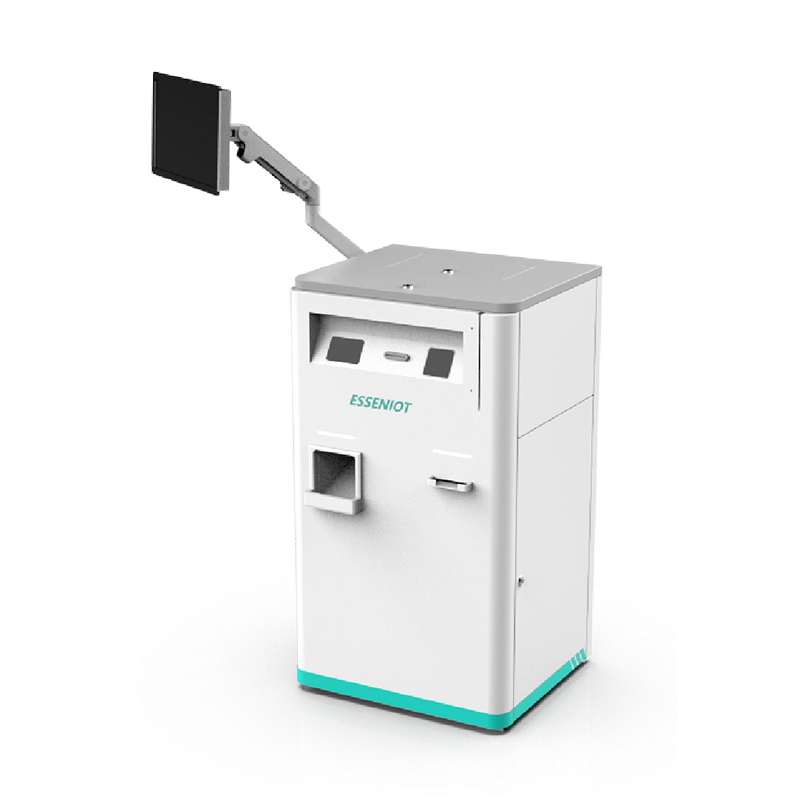
The management of medical waste is an activity where each and every step that is involved needs careful consideration; right from the point when the waste is collected in the healthcare setting up until the point when the waste reaches its ultimate destination for disposal. In the past, most companies used paper documentation for tracing the movement of Medical Waste On-site Disposal System , and this created chances for lapses in documentation and mistakes. With the use of technology, the tracing of medical waste has become easier through digital means such as tracking systems and record-keeping through barcodes.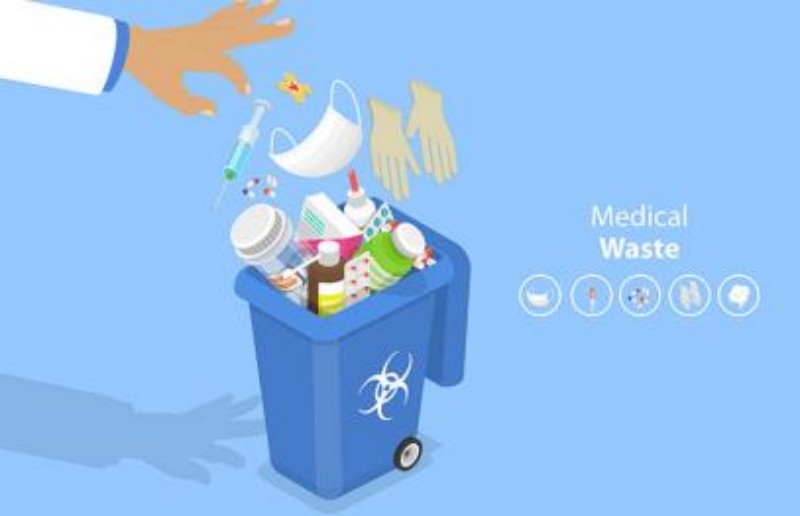
Creating closed-loop monitoring systems for healthcare waste streams
A closed-loop monitoring system allows healthcare facilities to track medical waste from the point where it is created until it is safely treated or disposed of. Instead of treating waste management as a one-way process, this approach creates a complete information loop where every stage is recorded, checked, and reviewed. This helps hospitals understand how waste moves through their operations and where improvements are needed.
The process usually starts inside areas such as operating rooms, laboratories, patient rooms, and pharmacies. Staff members place different types of medical waste into properly labeled containers, and each container can be assigned a unique barcode, QR code, or digital tag. When the waste is collected, the system records important details such as the location, collection time, waste category, and responsible personnel. This creates a digital history that follows the waste throughout its journey.
For example, a hospital handling infectious waste can use a tracking system to monitor when waste bags leave a treatment area, when they are transferred to a temporary storage location, and when they are sent for final treatment. If a problem occurs, such as a missing container or delayed pickup, staff can quickly check the records and identify where the issue happened.
Closed-loop monitoring also helps healthcare facilities reduce waste handling errors. When workers have clear data about waste volumes and disposal patterns, they can improve segregation practices and avoid mixing general waste with hazardous materials. A hospital may discover that certain departments produce more plastic medical waste than expected and create targeted programs to reduce unnecessary disposal.
The system also supports better communication between hospitals, transport teams, and treatment providers. Everyone involved can access accurate information instead of depending on handwritten logs or phone updates. Over time, collected data can reveal trends, helping facilities plan resources, improve safety procedures, and make waste management more efficient.
A successful closed-loop system depends on more than technology alone. Staff training, proper waste classification, regular data checks, and clear responsibilities are needed to keep the system reliable. When these elements work together, digital monitoring creates a safer and more transparent approach to managing healthcare waste from beginning to end.
Using Io T platforms to improve compliance and operational transparency
Internet of Things (IoT) platforms are becoming a useful tool for healthcare waste management because they allow different devices, sensors, and software systems to share information automatically. Instead of relying only on manual checks and written records, healthcare facilities can collect real-time data about waste storage conditions, collection activities, and treatment processes. This creates a clearer picture of what is happening at every stage of waste handling.
In medical waste management, IoT devices can be placed on waste containers, storage areas, and transportation equipment. Sensors can monitor details such as container location, temperature, storage time, and movement history. For example, a hospital storing infectious waste can use smart sensors to receive alerts if waste stays in a storage area longer than the allowed period. This helps staff respond quickly and avoid compliance problems.
IoT platforms also support better reporting. Healthcare facilities often need to provide records showing that medical waste was handled according to safety rules. With automated data collection, teams can create more accurate reports without spending hours reviewing paper documents. This reduces the chance of missing information and makes inspections easier.
A practical example can be seen in large hospitals that manage waste from many departments. Without digital monitoring, it can be difficult to know whether waste from different areas was collected on time or transported correctly. An IoT-based system can track collection routes and provide updates, helping managers identify delays or unusual activities before they become bigger issues.
Operational transparency is another major benefit. Hospital administrators, waste management teams, and treatment providers can work with the same set of information. This improves coordination and helps everyone understand their responsibilities. If a question comes up about a specific waste container, the team can review its digital record and see its complete journey.
However, technology alone does not solve every waste management challenge. IoT platforms work best when combined with proper staff training, clear procedures, and regular system maintenance. When used correctly, these tools help healthcare organizations create safer waste practices, strengthen compliance efforts, and build more trust in their waste management operations.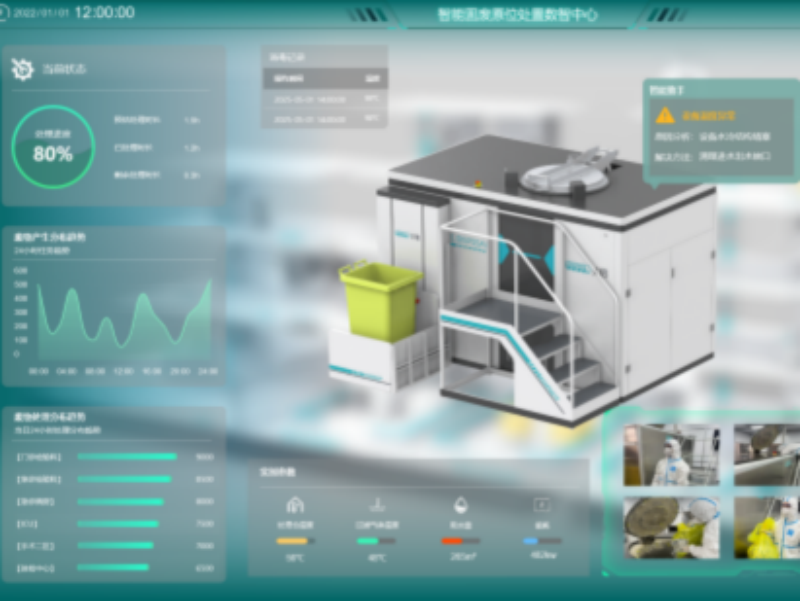
Real-time visibility as a tool for risk management and regulatory reporting
Real-time visibility gives healthcare facilities a clearer understanding of how medical waste is handled at every stage. Instead of waiting for weekly reports or checking paper records after a problem occurs, waste managers can view updated information about collection, storage, transportation, and treatment activities. This quick access to data helps teams identify risks earlier and take action before small issues become serious problems.
One of the biggest challenges in medical waste management is maintaining control over waste movement. A missed collection schedule, incorrect storage condition, or misplaced waste container can create health and safety risks. With digital tracking systems, hospitals can monitor waste locations and receive alerts when unusual activities happen. For example, if a container remains in a temporary storage area longer than expected, the system can notify responsible staff so they can investigate and correct the issue.
Real-time data also supports better decision-making during daily operations. Waste managers can review collection patterns, identify busy areas, and adjust schedules based on actual needs. A large hospital may find that emergency departments produce more infectious waste during certain hours. With this information, collection teams can plan better routes and reduce the time waste stays inside the facility.
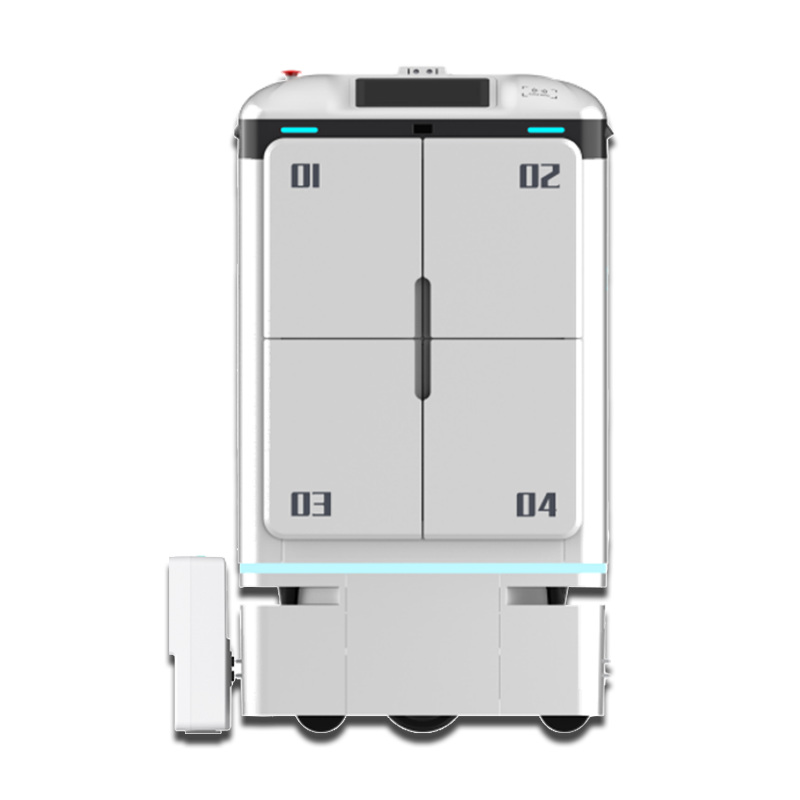
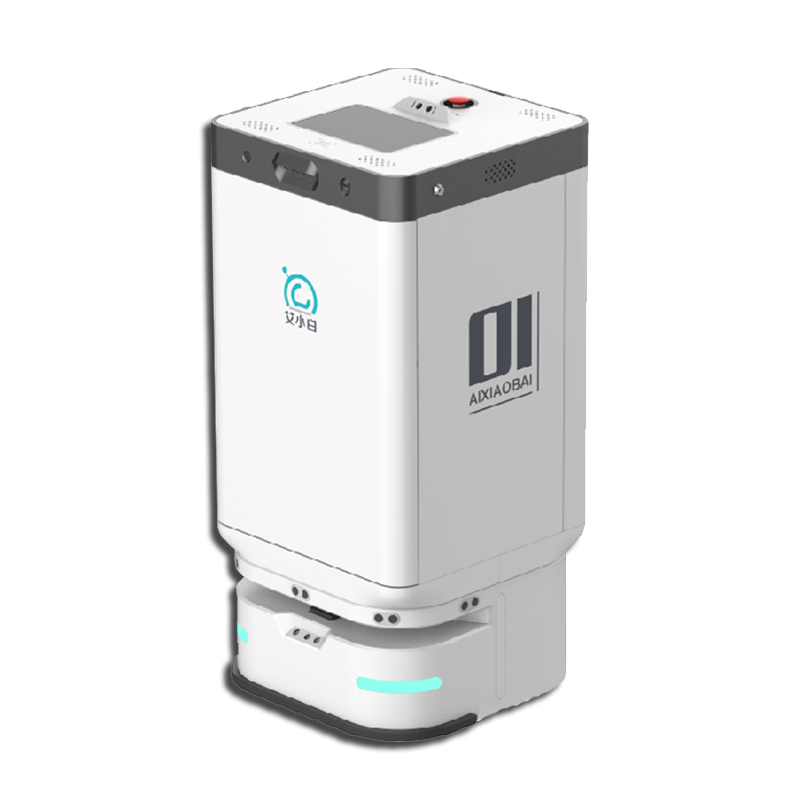
Regulatory reporting becomes easier when accurate records are available. Healthcare organizations often need to show proof that Enclosed medical robots was properly collected, transported, and treated. Digital platforms can automatically store important details such as dates, locations, handling steps, and treatment records. When an inspection takes place, staff can access organized information instead of searching through multiple paper files.
Real-time visibility also improves accountability among everyone involved in the waste process. Healthcare workers, transport teams, and treatment providers can follow the same tracking information, reducing confusion and improving communication. If a concern is raised about a specific waste batch, the team can review its history and understand what happened at each step.
For healthcare facilities, adopting real-time monitoring is not only about meeting regulations. It creates a safer working environment, reduces operational risks, and helps build a more reliable waste management system. By knowing what is happening at every moment, organizations can respond faster and maintain stronger control over medical waste handling.
Founded in 2013 and headquartered in Suzhou, China, Esseniot is a global provider of automated and integrated intralogistics solutions.