 EN
EN AR
AR NL
NL FR
FR DE
DE EL
EL HI
HI IT
IT JA
JA KO
KO PT
PT RU
RU ES
ES TL
TL ID
ID SR
SR UK
UK VI
VI HU
HU TH
TH TR
TR FA
FA SW
SW UR
UR TA
TA KK
KK
Healthcare waste management is essential for people's safety and protection of the environment; however, all methods do not have equal impacts on this issue. It is necessary to find an effective technology that will be able to handle infectious waste and minimize energy consumption and expenses associated with Waste & Linen Conveyance pollution. In order to choose a proper technological solution for waste management, one should not look only at the outcome of waste management and focus more on the whole process of its handling.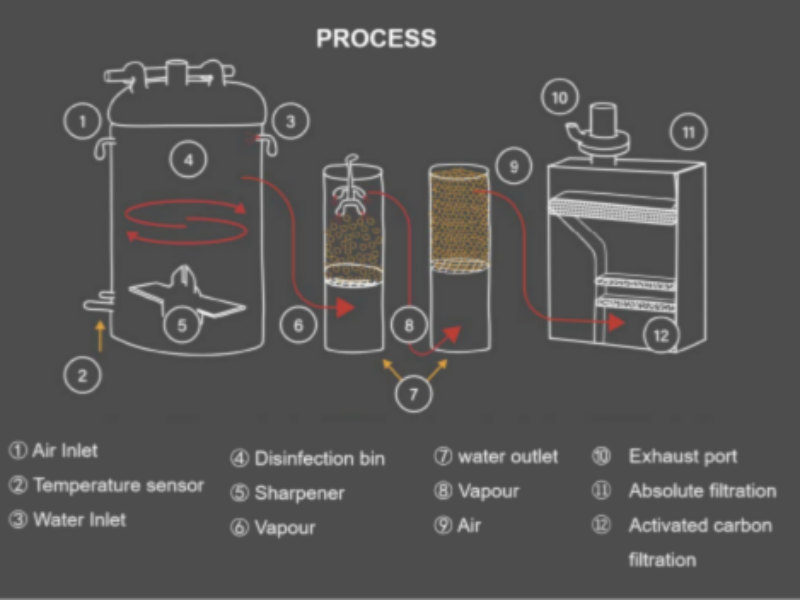
Comparing emissions, transportation requirements, and treatment outcomes
When evaluating healthcare waste treatment technologies, three important factors to consider are emissions, transportation needs, and treatment outcomes. Each factor affects the overall environmental footprint of a waste management system and can change how sustainable a solution is over time.
Emissions is another place to start. The treatment process will emit varying amounts of air pollution, greenhouses gases, and other forms of waste products. Conventional burning is an effective way of destroying hazardous waste, but it also generates carbon emissions that need to be controlled properly. Innovative treatment options like steam treatment systems or low-emission treatment systems have been introduced to minimize their impacts on the environment. It is necessary for health care organizations to consider the amount of energy used by the treatment method and the type of emissions control technology used.
Transportation is another major factor that is often overlooked. In many healthcare waste systems, waste is collected from hospitals and transported to outside treatment facilities. This process requires fuel, creates vehicle emissions, and increases the risk of accidents during handling. A hospital that sends waste hundreds of kilometers away may create a larger environmental impact compared with a facility that treats part of its waste on-site. For example, some rural hospitals have started using on-site treatment equipment because it reduces the need for long-distance waste transport and helps them manage waste more quickly.
Treatment outcomes also need careful review. A good system should not only destroy harmful materials but also reduce the amount of waste sent to landfills and support safer waste handling. Some technologies can convert treated waste into materials that are easier to recycle or dispose of properly. However, healthcare facilities must check whether these results match local regulations and operational needs.
A complete evaluation should consider the entire waste journey, not just the final disposal step. Looking at emissions, transportation, and treatment performance together helps hospitals choose methods that protect communities while lowering their environmental impact.
Strategies for reducing secondary pollution in hospital operations
Reducing secondary pollution in hospital operations requires careful planning at every stage of healthcare waste management. Secondary pollution happens when waste handling creates additional environmental problems, such as air emissions, contaminated wastewater, unpleasant odors, or unsafe storage conditions. Hospitals can reduce these risks by improving daily practices and choosing treatment methods that control pollution from the beginning.
One effective strategy is proper waste segregation. When different types of waste are mixed together, more materials may require intensive treatment, increasing energy use and emissions. Hospitals can reduce this problem by placing clearly labeled waste containers in treatment areas, patient rooms, laboratories, and operating rooms. For example, separating recyclable materials, general waste, and infectious waste allows each category to be handled using the most suitable method.
Regular maintenance of waste treatment equipment is also important. Poorly maintained systems may operate inefficiently and create more emissions or treatment failures. Hospitals should create inspection schedules, check filters and control systems, and train staff to report equipment issues quickly. Small maintenance problems can become larger environmental concerns if they are ignored for long periods.
Water management is another area that deserves attention. Some treatment processes produce wastewater that may contain harmful substances. Hospitals can reduce the risk by installing proper wastewater treatment systems and regularly testing water quality before discharge. This helps prevent chemicals, pathogens, and other pollutants from entering local water sources.
Staff training also has a major impact on pollution control. Nurses, cleaning teams, laboratory workers, and waste handlers all play a role in safe waste management. Simple actions, such as closing waste bags correctly, avoiding unnecessary disposal of usable materials, and following safety procedures, can make daily operations cleaner and safer.
Hospitals can also review their purchasing decisions to reduce waste before it is created. Choosing reusable items when appropriate, avoiding excessive packaging, and working with suppliers that support sustainable practices can lower the amount of waste generated.
By combining better waste separation, equipment care, water protection, staff awareness, and smarter purchasing, hospitals can reduce secondary pollution while maintaining safe healthcare services. Small improvements across daily operations can create a meaningful environmental difference over time.
Supporting healthcare sustainability goals through low-carbon waste management
Low-carbon waste management helps healthcare facilities reduce their environmental impact while continuing to provide safe and reliable services. Hospitals generate a large amount of waste every day, including infectious materials, packaging, disposable supplies, and chemical waste. Managing this waste safely is necessary, but the process can also create carbon emissions through transportation, energy consumption, and treatment activities. A sustainable approach focuses on reducing these impacts while keeping infection control as the top priority.
One way hospitals can support sustainability goals is by reducing waste before it reaches the treatment stage. Better inventory control can prevent expired medicines, unused supplies, and unnecessary packaging from becoming waste. For example, a hospital that improves its supply tracking system may discover that certain items are regularly overstocked and adjust purchasing practices. This simple change can lower waste volume and reduce the resources used for disposal.
Choosing energy-efficient treatment technologies is another important step. Some modern systems are designed to use less energy while safely treating infectious waste. Hospitals can compare different options by looking at power requirements, emissions levels, maintenance needs, and the amount of waste reduced after treatment. The goal is to find a balance between safety, environmental protection, and practical operation.
Reducing transportation is also part of low-carbon waste management. Sending waste to distant facilities requires fuel and creates additional emissions. When suitable, on-site treatment systems can help hospitals reduce transportation needs and improve control over the waste process. This approach can be especially useful for remote healthcare facilities where waste collection routes are longer and more difficult to manage.
Staff involvement is another key part of building a greener healthcare system. Employees who understand waste reduction practices are more likely to separate waste correctly, avoid unnecessary disposal, and follow proper handling procedures. Regular training can turn sustainability goals into everyday actions.
Low-carbon Medical Waste Treatment Cost management is not about removing all waste treatment activities but about making smarter choices throughout the process. By reducing waste generation, improving treatment efficiency, and lowering unnecessary emissions, healthcare facilities can protect both public health and the environment for the future.
Founded in 2013 and headquartered in Suzhou, China, Esseniot is a global provider of automated and integrated intralogistics solutions.