 EN
EN AR
AR NL
NL FR
FR DE
DE EL
EL HI
HI IT
IT JA
JA KO
KO PT
PT RU
RU ES
ES TL
TL ID
ID SR
SR UK
UK VI
VI HU
HU TH
TH TR
TR FA
FA SW
SW UR
UR TA
TA KK
KK
Many hospitals have small canisters that move from room to room above the ceiling and behind the walls of the building and from one department to another, delivering important items. The most frequent route is from the pharmacy to the ICU. This route is utilized for emergency medications, blood and laboratory samples that must be handled promptly. The nurse or pharmacist puts it in a carrier, designates the destination and sends it down the system. It will reach the ICU within a few minutes and be ready to use. This simple flow saves staff time and ensures there's no delay in the care flow when every second counts for patients.
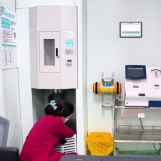
Key Hospital Transport Routes for Pneumatic Tube Systems
Pneumatic tube systems in most hospitals have a few standard pathways that are used to link high traffic and high need departments. Routes are planned to carry small but valuable items with speed, allowing staff to be more patient facing.One of the busiest is the route from the pharmacy to varying areas of patient care such as the ICU, ER, OR, etc. This route is for urgent medicines like antibiotics, pain relief medicines and emergency doses. Is there a long wait for this medicine to be ordered in an emergency case? If yes, a doctor can order a fast acting medicine and the pharmacy can send it through the tube system immediately. The medicine doesn't need to be physically handed to a member of staff, it arrives within minutes.A major pathway connects the laboratory and patient wards. Blood samples, urine tests and other specimens are taken and sent to the lab for testing. In exchange test results may be returned or special collection kits used. This can help the doctor to make quicker decisions, particularly in instances of rapidly changing patient condition. One of the most common examples is in the Intensive Care Unit (ICU) where frequent blood gases are performed to monitor breathing support.Also of vital importance is the blood bank route. Packed Red Blood Cell and plasma are transported to surgery rooms, emergency departments or trauma units. In an actual emergency such as road traffic accidents this route can be used for rapid transfusion that may save lives.Routes are also provided from the operating theatre to sterile supply areas. These lines carry surgical instruments, small equipment and medication both before and after processes. This allows the work flow to continue to proceed in a smooth manner without compromising sterile conditions.These routes can be created by a hospital, with taking distance, urgency and department needs into consideration. A clear system minimizes unnecessary activities and delays in the heavily trafficked corridors. Eventually, staff are familiar with these Laboratory Automation routes and the process becomes almost automatic when it comes to high-pressure times.
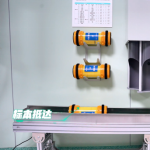
Connecting Hospital Departments with Pneumatic Tube Systems
Hospitals are like a series of departmental units, and the pneumatic tube system is like the under-the-counter pathway that ties them together. Small carriers carry the urgent things through tubes which are linked to the important areas like the pharmacy, ICU, laboratory, emergency room, blood bank and operating theatres instead of the staff walking long distances.This connection is very noticeable when applied in normal service. A nurse in the ICU can be able to send a blood sample in seconds to the lab. The lab can provide a result immediately. In the emergency room, a doctor can order medication from the pharmacy and it can be obtained without waiting for a runner. The little time saved here does accumulate and is particularly useful when multiple patients require care simultaneously.A typical real-life scenario is when a doctor is on a night shift at a busy hospital. There are fewer staff but needs are not curtailed. A patient in critical care might require multiple blood tests, quick changes in medication, etc. The tube system connects departments and these tasks run smoothly even if fewer hands are on deck. It helps to alleviate staff strain, as they are not required to walk the length of the building or across floors.An important relationship is that between the blood bank and surgical units. Surgery may result in bleeding that is not anticipated and rapid access to blood products is essential. The tube system enables the blood bank to send what is required immediately helping the surgical team to concentrate on the operation.The connections are designed according to the daily operation of the hospitals. High demand departments generally have direct lines as they will not have to wait long to access. Staff over time learn the quickest routes and use them in emergency situations. The outcome is a smoother working process, fewer delays and improved collaboration between the hospital without a noticeable increase of complexity in their daily workflow.
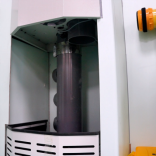
Pneumatic Tube System Applications in Labs, Pharmacies and Wards
Many of the busiest areas in a hospital, such as patient wards, pharmacies, and laboratories are interconnected by Pneumatic Tube System . These departments receive a steady stream of materials which must be delivered quickly and safely all day long.It is used in the hospital labs for the transportation of blood specimens, urine specimens and other test samples after they have been taken. Samples are able to reach the lab within minutes as opposed to waiting for them to be collected. This could potentially speed up the starting of tests in the lab and reduce turn-around time for test results. For example if a critical blood sample needs to be taken on a patient in the ED then quickly transporting the samples to the lab could help with treatment decisions.Another example of something that is crucial in the tube system network is the pharmacies. Medical requirement forms are sent at any time of day or night to the hospital pharmacy from different areas of the hospital, the medications are checked and made up then placed into a carrier and sent straight back to the ward it is requested from. This is crucial for short shelf life medications and could prove a useful feature to eliminate the nurse needing to leave their ward to collect everyday pills, saving valuable nursing time spent with patients.The same systems are used in patient wards during their daily routine. Laboratory specimens, prescription writing, doses of medication, and other small medical supplies are often shared among wards with the central departments. This eliminates the need for staff to walk between locations and provides a direct connection to a pneumatic tube system that improves staff time management.A number of hospitals have a variety of routes that link the laboratories, pharmacies, wards, intensive care, operating rooms and emergency department. The layout can vary depending on the size and requirements of the facility. Well designed, it can be a dependable transit system that provides quicker service and allows healthcare personnel to concentrate on patient care instead of day-to-day deliveries.
Designing an Efficient Hospital Pneumatic Tube System Network
Developing an effective pneumatic tube system for hospital networks begins with an understanding of the flow of people, samples, medications and supplies throughout the course of a typical day in the institution. The best-designed network will be designed to link key departments that share the most items, and will minimize the amount of time it takes to transport items between them.The first step is to determine the key stations. Pharmacy, laboratory, emergency department, intensive care unit, operating rooms, and inpatient wards are the busiest areas in most hospitals. Such places are typically provided direct connections or priority routes, since they receive numerous emergency deliveries. For instance, if a blood sample was taken in the ICU, it may require tests to be performed in the laboratory and if several times over the course of a shift medication has to be sent to the ward, this may require multiple trips from the pharmacy.The flow of traffic should also be taken into account. Certain departments have more outbound carriers than inbound and others have high outbound traffic at certain times of the day. These patterns can be analyzed and hospitals can position their transfer units and routing equipment in the most beneficial places. This is to avoid congestion and ensure a smooth flow of carriers on the network.One of the other significant factors is the placement of the station. Stations should be located in an area that is convenient for staff to access without interfering with patient care. A nurse should not be required to walk long distances in the department to send/receive a carrier. With good station positions, time can be saved hundreds of times a day.Hospitals also need to make room for expansion. Wards, laboratory services and departments can be added, expanded over time or renovated. Network flexibility enables new stations and routes to be added to the system without significant changes to the system.Staff training and regular maintenance are also crucial. A very well designed system is best when the users know correct operating procedures and the carriers, stations, and routing equipment are maintained in good condition. Hospitals can design a pneumatic tube system that helps enhance communication, delivery of reliable services and streamlines the workflow of the hospital.
Founded in 2013 and headquartered in Suzhou, China, Esseniot is a global provider of automated and integrated intralogistics solutions.