 EN
EN AR
AR NL
NL FR
FR DE
DE EL
EL HI
HI IT
IT JA
JA KO
KO PT
PT RU
RU ES
ES TL
TL ID
ID SR
SR UK
UK VI
VI HU
HU TH
TH TR
TR FA
FA SW
SW UR
UR TA
TA KK
KK
Healthcare facilities have traditionally been in the business of saving lives, but their scope of duty does not stop there. The waste generated by their activities may negatively impact the environment and public health when not disposed of in the proper manner. Currently, healthcare facilities are looking into innovative approaches in order to make use of resources that previously were just considered as waste products. By engaging in resource recovery through recycling of useful items or installing better systems for Waste & Linen Conveyance treatment, healthcare facilities are making progress towards becoming sustainable hospitals.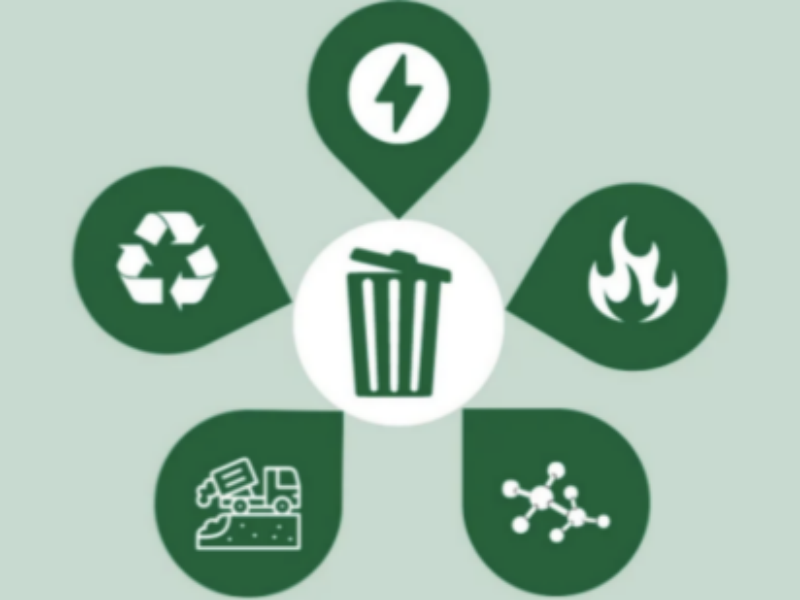
Opportunities to reduce landfill dependency and treatment emissions
Healthcare waste management has traditionally focused on collecting waste, treating it, and sending the remaining materials to disposal sites. While this approach helps control infection risks, it can create long-term environmental challenges. Landfills take up valuable space, require continuous management, and may contribute to greenhouse gas emissions. Healthcare facilities are now exploring better ways to reduce the amount of waste that reaches landfills while maintaining strict safety standards.
One of the biggest opportunities comes from improving waste separation at the source. Not all hospital waste needs the same treatment. Items such as clean packaging, paper, cardboard, and certain plastics can often be recycled when they are separated correctly. A simple change, such as placing clearly labeled recycling containers in staff areas and training employees on proper disposal practices, can prevent large amounts of reusable material from being mixed with medical waste.
Hospitals can also reduce landfill use by recovering energy or materials from certain waste streams. Some facilities are adopting advanced treatment methods that reduce waste volume and convert part of the waste into usable resources. For example, non-hazardous plastic waste from healthcare operations can sometimes be processed and recycled into new products, lowering the demand for new raw materials.
Reducing treatment emissions is another important goal. Traditional waste treatment methods may consume large amounts of energy and release emissions if not managed carefully. Modern systems focus on improving energy efficiency, controlling air emissions, and selecting treatment methods based on the type and amount of waste produced. Hospitals can lower their environmental impact by regularly reviewing waste data and choosing the most suitable treatment options.
A practical example can be seen in hospitals that have introduced reusable medical items where safe and appropriate, such as certain surgical textiles and equipment. These programs reduce the amount of disposable waste created while also lowering disposal costs over time.
Moving from waste disposal to resource recovery requires planning, staff involvement, and continuous improvement. By reducing unnecessary waste, improving sorting practices, and choosing cleaner treatment solutions, healthcare facilities can decrease their dependence on landfills and support more sustainable healthcare systems.
Evaluating energy recovery pathways from treated healthcare waste
Energy recovery is becoming an important part of sustainable healthcare waste management. Instead of viewing treated healthcare waste only as something that must be removed, hospitals are exploring ways to recover useful energy from certain waste streams. The goal is not to replace safe waste treatment practices but to find responsible options that reduce waste volume and support cleaner energy use.
One common pathway is waste-to-energy technology, where suitable treated waste materials are processed to produce heat or electricity. Some healthcare facilities send approved waste streams to specialized facilities where controlled combustion converts waste into energy while using advanced systems to manage emissions. The recovered energy can support local power needs and reduce reliance on traditional energy sources.
Another option is using organic healthcare waste for energy recovery through biological processes. Certain non-hazardous materials, such as food waste from hospital kitchens, can be treated through anaerobic digestion to produce biogas. This gas can be used for heating or electricity generation. For hospitals with large food service operations, separating kitchen waste from medical waste can create an opportunity to recover energy while lowering disposal costs.
Before choosing an energy recovery method, healthcare organizations need to evaluate several factors. Waste composition, local regulations, available treatment facilities, and environmental impacts all play a role. Hazardous medical waste requires careful handling, and only suitable materials should enter energy recovery systems. Proper sorting at the source helps ensure that recyclable materials are recovered and unsafe materials are treated correctly.
A practical example is a hospital that separates general waste, recyclable materials, food waste, and infectious waste into different streams. By doing this, the facility can send each type of waste to the most suitable destination instead of treating everything as disposable material.
Energy recovery can support healthcare sustainability when it is part of a larger waste reduction plan. The best approach starts with preventing unnecessary waste, improving recycling, and then considering recovery options for materials that cannot be reused. With careful planning, healthcare facilities can reduce environmental impacts while making better use of the resources contained in their waste.
Integrating circular economy principles into hospital operations
A circular economy approach changes the way hospitals think about waste. Instead of following a traditional model where products are purchased, used, and discarded, hospitals can create systems where materials are reused, recycled, or recovered whenever it is safe and practical. This approach helps reduce waste generation, lower resource consumption, and build more sustainable healthcare operations.
One of the first steps in applying circular economy principles is improving purchasing decisions. Hospitals can choose products that have longer lifespans, use fewer unnecessary materials, or come with recycling options. For example, selecting durable equipment that can be repaired instead of replaced after minor issues can reduce costs and prevent unnecessary waste. Working with suppliers that offer take-back programs for certain products can also help keep materials in use for longer periods.
Another important area is managing medical supplies more efficiently. Many hospitals dispose of unused items because of overstocking, expired products, or poor inventory tracking. Better inventory systems can help staff monitor supplies, reduce unnecessary purchases, and prevent usable items from becoming waste. Simple actions, such as checking storage areas regularly and improving communication between departments, can make a noticeable difference.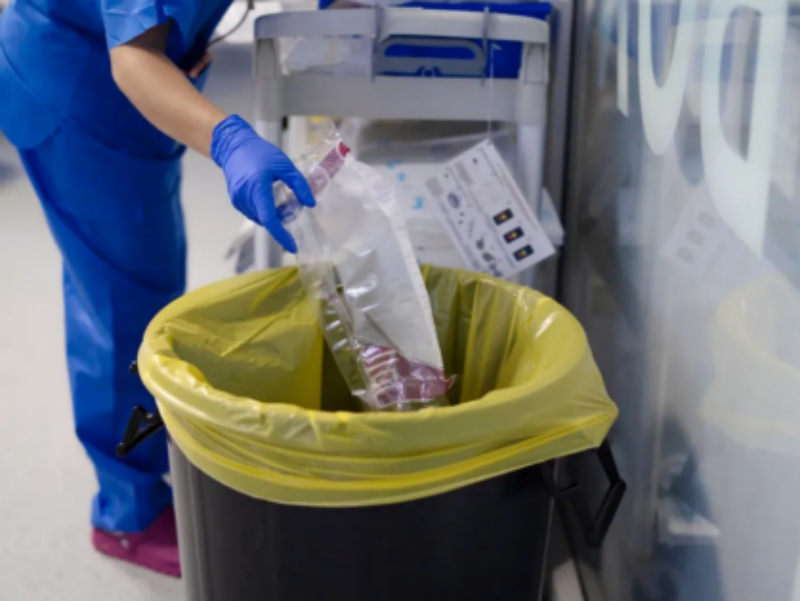
Circular practices can also be applied to water and energy use. Some hospitals are investing in systems that recover heat from equipment, reuse treated water for suitable purposes, and improve building efficiency. These efforts reduce pressure on natural resources while helping facilities manage operating expenses.
Real-life examples include hospitals that have introduced reusable surgical gowns, textile recycling programs, and equipment refurbishment initiatives. When these programs are designed with infection control requirements in mind, they can reduce the amount of disposable waste created without affecting patient safety.
Creating a circular healthcare system requires cooperation between hospital leaders, medical staff, suppliers, and Medical Waste On-site Disposal System management teams. Staff training is important because even the best sustainability plans depend on daily actions, such as correct waste sorting and responsible resource use. By bringing circular economy ideas into everyday hospital operations, healthcare facilities can move from a disposal-focused model toward one that values resources and reduces environmental impact.
Founded in 2013 and headquartered in Suzhou, China, Esseniot is a global provider of automated and integrated intralogistics solutions.