 EN
EN AR
AR NL
NL FR
FR DE
DE EL
EL HI
HI IT
IT JA
JA KO
KO PT
PT RU
RU ES
ES TL
TL ID
ID SR
SR UK
UK VI
VI HU
HU TH
TH TR
TR FA
FA SW
SW UR
UR TA
TA KK
KK
Healthcare waste management has become a key part of building safer and more sustainable hospitals. Every day, healthcare facilities produce different types of waste, from used medical supplies and packaging materials to infectious waste that requires careful handling. As hospitals focus more on protecting patients and the environment, traditional waste disposal methods are being replaced with smarter and cleaner solutions. Sustainable healthcare is not only about saving energy or reducing water use; it also means managing waste responsibly from the moment it is created until its final treatment. By improving waste practices, hospitals can lower risks, reduce environmental impact, and create healthier communities.
Aligning Infection Control Objectives With Environmental Goals
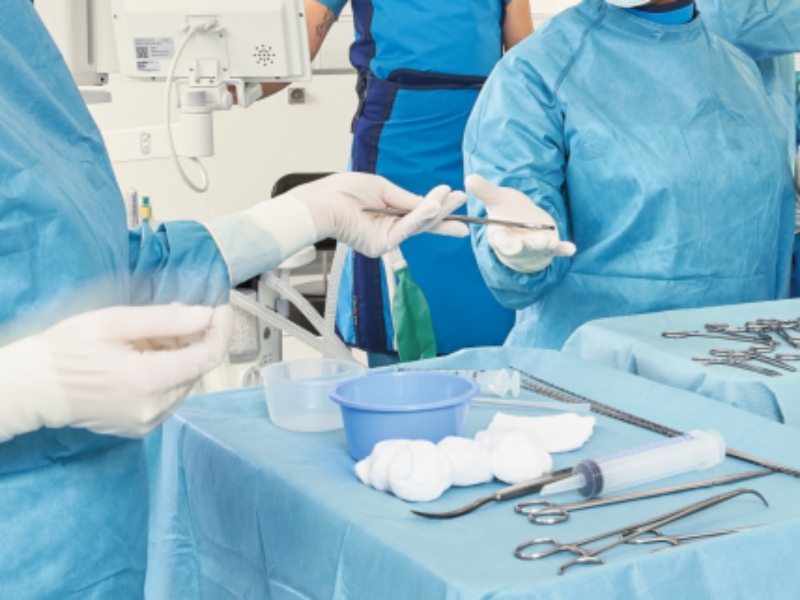
Modern hospitals face the challenge of keeping patients safe from infections while also reducing their impact on the environment. Infection control and environmental sustainability may seem like separate goals, but they can work together when waste management practices are planned carefully. Proper segregation of medical waste, safe handling procedures, and responsible treatment methods help prevent the spread of harmful pathogens while avoiding unnecessary waste generation.
A simple example is the correct separation of waste at the point where it is created. When nurses, doctors, and other healthcare workers place infectious materials, recyclable items, and general waste into the right containers, hospitals can reduce the amount of waste that needs special medical waste treatment equipment . This lowers treatment costs, reduces unnecessary emissions from waste processing, and keeps hazardous materials away from regular waste streams.
Many hospitals are also reviewing their use of disposable products. Single-use medical items play an important role in preventing infections, especially during surgeries and patient care. However, hospitals can look for safer alternatives where possible, such as reusable products that meet hygiene standards or products made from materials with lower environmental impact. The goal is not to reduce safety measures but to find a better balance between patient protection and environmental responsibility.
Staff training plays a major role in achieving both goals. Waste management rules are easier to follow when healthcare workers understand why each step matters. Regular training sessions, clear labeling of waste containers, and routine checks can help prevent mistakes that may create infection risks or increase waste volumes.
Some healthcare facilities have introduced sustainability teams that work together with infection control departments. This teamwork helps hospitals review waste practices, improve purchasing decisions, and choose treatment options that protect both people and the planet.
A sustainable hospital does not have to choose between infection prevention and environmental care. By combining careful waste handling with green practices, healthcare facilities can maintain high safety standards while moving toward a cleaner and more responsible future.
Emerging Technologies Transforming Healthcare Waste Treatment

Emerging technologies are changing the way hospitals manage and treat healthcare waste. Traditional waste treatment methods have helped healthcare facilities control risks for many years, but new solutions are making the process safer, cleaner, and more efficient. As hospitals produce more waste and face growing environmental concerns, technology is helping them find better ways to handle materials without increasing pollution.
One important development is the use of advanced on-site waste treatment systems. These systems allow hospitals to process certain types of medical waste closer to where it is created. Instead of sending large amounts of waste over long distances, hospitals can reduce transportation needs and improve control over the treatment process. This approach can be especially useful for remote healthcare facilities that may have limited access to waste disposal services.
New treatment technologies are also improving how infectious waste is managed. Modern systems can use methods such as steam-based treatment, microwave technology, or other non-burning processes to make hazardous waste safe. These options help reduce the need for traditional incineration, which can create air emissions when not properly controlled. Hospitals can choose treatment methods based on their waste type, available resources, and environmental goals.
Digital tools are also becoming part of healthcare waste management. Smart monitoring systems can track waste movement, record collection details, and help staff identify areas where waste reduction is possible. For example, a hospital can review waste data and discover that certain departments are throwing away large amounts of unused materials. With this information, teams can adjust ordering habits and reduce unnecessary waste.
Automation is another area gaining attention. Some facilities are testing automated sorting systems and smart containers that help improve waste separation. Better sorting means fewer recyclable materials are mixed with medical waste, making recovery easier and reducing the amount sent for treatment.
The adoption of new technologies does not mean replacing good waste practices. Hospitals still need proper training, strong safety procedures, and regular maintenance of equipment. Technology works best when combined with responsible daily actions from healthcare workers.
As sustainable hospitals continue to grow, emerging technologies will play a bigger role in creating waste systems that protect patients, support healthcare workers, and reduce environmental damage. The future of healthcare medical waste treatment system will depend on finding solutions that are both practical and environmentally responsible.
Policy And Infrastructure Trends Shaping Future Hospital Operations
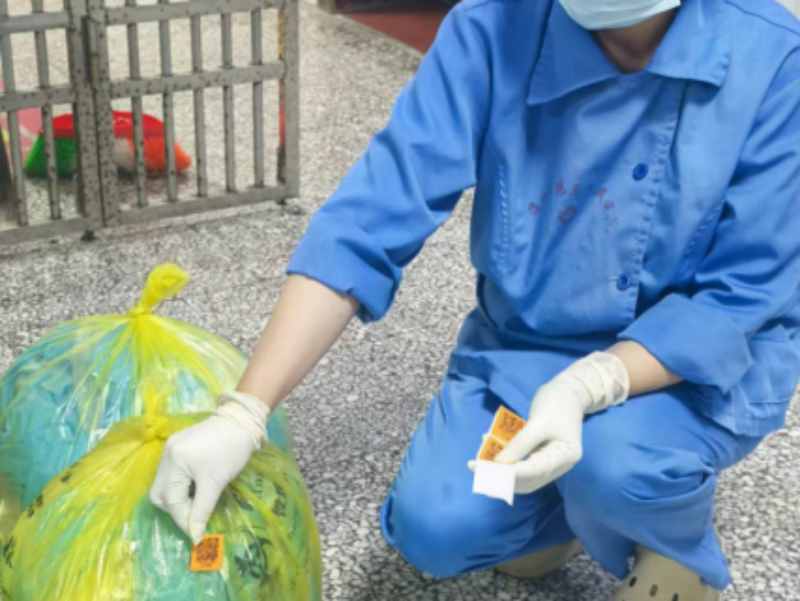
Healthcare waste management is becoming an important part of future hospital planning as governments, healthcare leaders, and communities pay more attention to sustainability. New policies and infrastructure changes are encouraging hospitals to move beyond basic waste disposal and develop systems that reduce waste, improve safety, and support long-term environmental goals.
One major trend is the creation of stricter waste management standards. Many regions are introducing clearer rules for waste segregation, treatment, transportation, and reporting. These policies encourage hospitals to track where their waste goes and make sure hazardous materials are handled properly. For hospital teams, this means waste management is becoming a daily operational responsibility rather than a task handled only after waste leaves the facility.
Hospital infrastructure is also changing to support better waste practices. New healthcare buildings are being designed with dedicated areas for waste collection, storage, and treatment. Planning waste systems during the design stage makes it easier for staff to move waste safely and reduces the chance of accidents. For example, hospitals can create separate routes for clean supplies and medical waste to improve infection control and workplace safety.
Another growing trend is the move toward decentralized waste treatment. Instead of depending only on outside waste contractors, some hospitals are exploring on-site or nearby hospital waste management system solutions. This can help reduce transportation needs, improve response times during emergencies, and give facilities more control over their waste handling process.
Hospitals are changing how they buy supplies to be more eco-friendly. Many are now picking products that produce less waste or are easier to recycle. Small steps, like cutting down on extra packaging or using reusable items when possible, can add up to big improvements over time.
Collaboration is becoming more important as well. Hospitals are working with local governments, waste service providers, and technology companies to build stronger waste systems. These partnerships help create solutions that fit local conditions while meeting safety and environmental needs.
The future of hospital operations will depend on combining smart policies with practical infrastructure. By preparing for changing regulations and investing in better waste systems, hospitals can improve patient care while becoming more responsible members of their communities.
Founded in 2013 and headquartered in Suzhou, China, Esseniot is a global provider of automated and integrated intralogistics solutions.