 EN
EN AR
AR NL
NL FR
FR DE
DE EL
EL HI
HI IT
IT JA
JA KO
KO PT
PT RU
RU ES
ES TL
TL ID
ID SR
SR UK
UK VI
VI HU
HU TH
TH TR
TR FA
FA SW
SW UR
UR TA
TA KK
KK
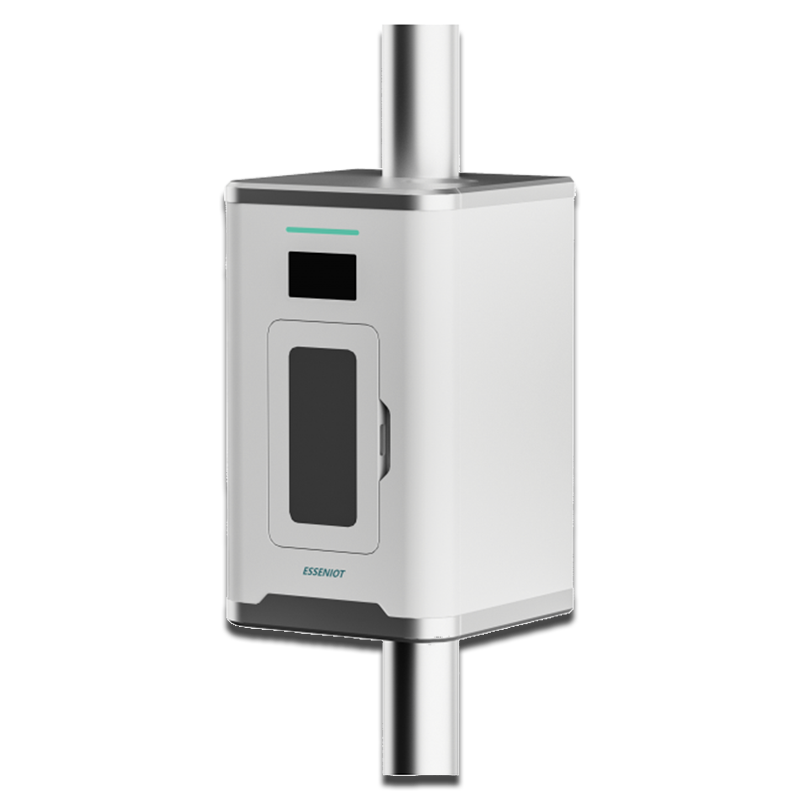
For many hospitals, every minute counts. Medical treatment can be delayed if a laboratory test is not done promptly or if a medication is not given due to congestion in the facility. Patient treatment may be compromised if a laboratory test is delayed or a medication is not administered due to delay with traffic within the facility. Pneumatic Tube System fit the bill here. The systems propel small particles through a network of tubes, taking items such as blood samples, medicine or documents from one location to another in a matter of seconds. The surprise to most is how fast they work. If you have to be taken to the hospital, a walk of 10-15 minutes may be completed in less than a minute in many hospitals. Such a velocity affects staff reactions to urgent tasks and maintains the business of care without interruptions.
Typical Pneumatic Tube System Speed and Delivery Time in Hospitals
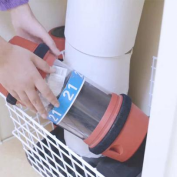
Generally, most hospitals receive an answer as to what the speed of pneumatic tubes can actually be faster than most people imagine. The most commonly quoted figure for typical delivery is 20 to 60 seconds depending on the station location for sending and receiving. Short distances, such as between Laboratory Automation departments, such as the ER and lab will be in the lower part of the range, often less than 30 seconds. Travel between multiple floors or/and wings will be only slightly longer and less than 2 minutes. This speed is made possible through air pressure, smoothly surfaced tubes, and the use of a computer system to determine routing throughout the hospital. Carriers sent traveling through the system do so without stopping once released, therefore they do not lose time by moving through busy corridors or elevators. In a practical application this can translate to a great advantage in the hospital during peak traffic times. The blood sample sent from the ER to the lab for example could reach the lab before a nurse would have traveled half of the way, resulting in quick results for physicians and allowing treatments for potential trauma or infection to commence a hour earlier than if the doctor had to wait on an aide.

How Pneumatic Tube Systems Improve Laboratory Turnaround Time?
The primary benefit of any lab that employs a pneumatic tube system is that throughput across the entire testing procedure increases due to a reduced turn around time from sampling to testing. This one minute delay in sampling corresponds to one minute delay in a hospital laboratory with multiple samples arriving at once in batches. Pneumatic tube systems can automatically transport samples from wards, A&E departments and operating theatres to the laboratory. There is no need to wait for a porter or another staff member.One of the most significant changes is a decrease in “waiting time”. In a "traditional" delivery, the samples may be left at a nurse station until a nurse is available to deliver them. This time may range from 5 minutes to 20 minutes or even longer during rush hours. On a pneumatic tube system, the same sample will be sent to the lab in less than a minute. The faster transfer allows lab personnel to begin analyzing sooner, thus reducing the time required for lab-to-lab results.It also aids in the handling of high priority cases. For instance, a doctor in an ER may order a troponin to be done if a patient complains of chest pain. The blood sample can reach the lab in a timely fashion, and the results can be returned to the doctor sooner. The speed can impact the treatment decision-making process in real hospital environments.One of the benefits is regular flow. Labs receive samples throughout the day, rather than a sporadic collection of samples. This makes it easier for staff to plan and helps to minimise pileups during peak hours. As time goes on, this more streamlined process can find a significant improvement in the efficiency of the lab, particularly in hospitals with large patient populations.
Pneumatic Tube Systems vs Manual Hospital Transport Methods
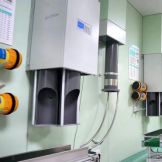
The hospital makes use of manual delivery and pneumatic tube systems to transport valuable and minute items such as blood samples, medicines and documents respectively. Both work okay but it is totally different in a hospital once the hospital starts buzzing.Manual transport is the transportation of an item from one point to another by a member of staff, porter or a nurse. It might be suitable for a small practice or at quiet times but problems arise when the hospital gets busy and staff have to wait for the staff to be free or walk along endless corridors, wait in elevators or wait in the busy corridor for someone. Wait times can be anywhere from 10-20 minutes or more for an uncomplicated transfer from A&E to the lab, although times vary according to situation. It is possible that delays of an hour or two will occur during peak periods without them being realized immediately.Pneumatic tube systems can remove most of these delays by transporting an item placed in a carrier through the tubes to its intended recipient without a need for staff wait, corridors being navigated or an elevator queue forming. The time that an item takes to be delivered would normally be no longer than a minute, even in large hospitals and this is significant benefit in the delivery of tests required urgently or emergency medication.
Why Pneumatic Tube System Speed Is Critical for Emergency Care?
There is an element of urgency to any emergency situations as there is direct correlation between time and patient outcome. The pneumatic tube system is a vital component of maintaining that time to the shortest possible minimum. In ER departments, doctors often require blood work results, blood products or medications to be retrieved in a timely fashion. While minutes may determine possible treatments in critical patients, seconds can hinder a doctor's ability to reach any decision.One example is the case of a potential stroke. Certain treatments are to be administered to a physician only after obtaining the blood work and imaging tests. Should the sample be hand delivered to the lab, it might take anywhere between ten to fifteen minutes just to get it there. The pneumatic tube system, however, can get the same sample to the lab in less than a minute. This speed allows the lab to start testing much earlier so the blood work results will be received quickly so that possible treatments can be rendered without lengthy waits.This sense of urgency applies also to trauma patients. Severe bleeding patients may need a rapid blood typing and cross match. The sooner a sample reaches the lab, the sooner blood can be retrieved and processed. The rapidity of this delivery process can assist with prompt transfusion and save the critical patient from deterioration.Sepsis treatment is also an example that highlights the relevance of time. A doctor may suspect that infection is spread throughout the body, which will need to be proved in the laboratory. If there is a delay before it is able to reach the lab, the treatment may need to be altered and antibiotics prescribed. Small time delays can be relevant in this process.One of the big plus points of pneumatic tube systems is that, as far as is able to tell, they do not get overwhelmed at times of high delivery loads for manually delivered samples and delivery time is unaffected by corridor congestion, use of the lifts or any limits to staff availability. As soon as the sample is placed inside the tube system it progresses to the lab without any delay. This consistent sample delivery rate is of immense value for both emergency medicine and other departments and has an ability to reduce time between stages.
Founded in 2013 and headquartered in Suzhou, China, Esseniot is a global provider of automated and integrated intralogistics solutions.