 EN
EN AR
AR NL
NL FR
FR DE
DE EL
EL HI
HI IT
IT JA
JA KO
KO PT
PT RU
RU ES
ES TL
TL ID
ID SR
SR UK
UK VI
VI HU
HU TH
TH TR
TR FA
FA SW
SW UR
UR TA
TA KK
KK
Hospitals are hectic and germs spread readily and if not handled appropriately then even a surface, cart or corridor can be a conduit for infection. This is why many hospitals have installed Pneumatic Tube System for the transport of specimens, medication, and small parcels throughout the hospital. The items are sent in sealed tubes directly to the intended department and do not need to travel through the hallways. By reducing the points of contact we increase cleanliness. Also, the time of both nurse and lab personnel is decreased as they are not running throughout the hospital for the aforementioned reasons.
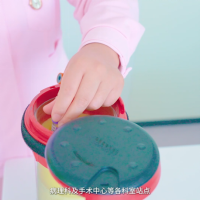
Reducing Cross-Contamination with Pneumatic Tube Systems
The problem of contamination is endemic in hospitals, and it starts even with small interactions. Even a gloved hand brushes a specimen tube, then a door knob, and then a surface. The mobility of people and objects is hazardous even if protocols for cleaning are followed strictly. The Laboratory Automation like pneumatics tube system will reduce this hazard simply by reducing the human interactions involved.Suppose blood is drawn; it can be sealed in the specific carrying container, and it sent directly to the lab via the pneumatic tube system, instead of the nurse or aid having to walk it down a crowded corridor or pass it around among many hands. The fewer the passes, the fewer the spread of germs. That small innovation solves many problems of contamination within hospital labs during routine tests.That will work for any medicine from the pharmacy as well. Medicine should be transmitted in a special sealable container, and sent directly to the ward from the pharmacy, rather than use the many-station transmission process. This will prevent medicines from being exposed, and contaminated. This will make things more manageable even in ERs, when activity is great.Actual hospital employees generally see the change in procedure. As one lab tech put it, there were occasionally ambiguous instructions when the specimens arrived before the advent of the tube systems, and duplicate testing was more common. But since switching over the specimens remain more tightly closed and are moved more efficiently with fewer opportunities for cross contamination and confusion.However, good habits must still be instilled for hospitals to use the system to its best advantage. The carriers must be cleaned frequently at busy areas of the hospital. Employees must remember to always close the carrier well. To avoid mistakes when several departments are working in conjunction, the items must be labeled appropriately.Some hospitals have implemented separate tubes for clean and dirty items, where appropriate. That system prevents the contamination of fragile substances with the bulk flow or heavy traffic of other items.Ultimately, this innovation is simply a combination of modern technology and basic human discipline, and together these reduce both the chances of contamination and patient risk.
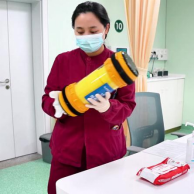
How Pneumatic Tube Systems Minimize Staff and Patient Movement?
The hospital is a busy environment with staff constantly on the move. A nurse will walk back and forth many times a day between wards, lab and pharmacy, perhaps just to pick up some specimens of blood or a medication request. Patients are also conveyed for testing and/or procedures. All this motion requires time and may decelerate care. Pneumatic tube systems help to lessen this "up and down" movement by transporting materials rather than people.If a doctor prescribes a lab test, the specimen may be placed in a tube through a tube system into the lab in a few seconds. There is no need for anyone to leave the ward or wait for a runner to retrieve it. In doing this, the nurse is able to remain nearer to the patient, particularly in the emergency room where every minute counts.It is the same concept in the Pharmacy. Medicines are delivered directly to the ward in a secure container, rather than staff going to walk a long corridor to retrieve medicine. This reduces the need to walk for extended periods which can add up throughout a shift. It also minimises crowding along the corridors, which is beneficial in hospitals that have limited space.Staff have expressed this in some hospitals that their steps per shift decreased significantly after tube systems were installed. One nurse reported that prior to the system she was frequently required to leave her station's work area five to six times an hour for deliveries. Since the system was implemented, most of those trips were eliminated with tube sends and she found herself more time to spend checking patients and charting.Patients get less movement around the hospital, too. Samples and supplies are carried through tubes, which means there is a reduced need for the transport of patients for simple procedures. This will help minimize discomfort, particularly if the person is weak, elderly or recovering from surgery.To ensure smooth operation, hospitals have established guidelines for items that can be sent through the system and instructions for packing and labeling. This ensures that there will be no delays and the flow will not be disrupted.The motivation of the system is basic, they are saving steps and time. This means that when staff are moving less for their errands they have more energy and focus to be able to spend 100% of that on direct patient care, which is where it's needed most.
Safe Transport of Infectious Specimens Through Pneumatic Tube Systems
Extra care must be taken to handle infectious specimens in a hospital. The way the blood and other lab samples are transported into the hospital can be just as important as the way they are collected because they can contain germs that cause illness. Pneumatic tube systems can aid this process in a safer manner by maintaining specimen seal and minimizing human-to-human contact.After the specimen is deposited in a safe container, it is secured in a container and transported via the tube system to the lab. Ensures that the sample remains contained throughout the process. It does not need to be carried in the crowded hallways or hand passed from staff to staff. The fewer the touchpoints, the fewer chances of accidental exposure.There is a standard procedure the majority of hospitals use for this. The sample is then double checked and clearly labelled before being put in a leak-proof bag for loading on the carrier. This is because it provides an additional layer of protection should a spill or damage occur during transportation. Especially in hectic hospitals this small practice can help to make them safer for both employees and patients.Lab teams in the real-world see a significant improvement in specimen flow, becoming cleaner and more controlled, after implementing tube systems. One technician explained that in the past, samples that were very urgent would sometimes come in late or required further checks to be made because they were passed around by several technicians. In pneumatic transport, the same samples will reach the testing laboratory faster and with less disturbance and already sealed and ready for testing.Hospital protocol also dictates which specimens are okay to travel through the system. Most standard infectious material is okay to be put into and sent through tubes, but special samples and extremely delicate ones can be difficult to put into a system and can risk being broken or ruined, balancing this is necessary for the system to work properly and special cases to not get broken.Also cleaning and maintenance plays an important role as the system is cleaned and tested for leaks and blockages on the tube carriers at a regular basis. Education of the staff in correct procedure also plays an important role as all employees should be aware of the correct procedures for packing and sending an object.The safety in a hospital is always a matter of making sure that everything that is supposed to be done is performed right every day, this is the purpose of a pneumatic tube system. They are present in hospitals to maintain a secured system to get the infectious materials through without handling the specimens as little as possible and as a part of keeping the hospital as a safe place.
Supporting Hospital Infection Control with Pneumatic Tube Systems
There are numerous small daily things that are necessary to control infection in the hospital. Hand washing, surface disinfection and proper handling of materials are all factors. There is one aspect that is frequently overlooked – the movement of items from one department to another. Pneumatic tube systems help fill that gap by minimising human interaction and physical handling and by keeping people away from shared spaces.Sealed carriers and a closed tube network are used to transport items such as materials from the lab, medication, and small medical items throughout the hospital. This means that they aren't passed around among people or walking through the hallways. Reduced direct contact reduces the risk of transfer of germs between departments.In reality, in hospitals, this can be a simple change. There is no longer a line-up of staff at the lab drop-off or a long walk to get to a lab with an urgency. Rather they place them through the system and continue to care for patients. One of the hospital nurses reported that since the tube systems were put in place, they have found that their regular lab visits have become so infrequent that their staff now have more time to spend by the patient's bedside, particularly during those busy hours.The system also works to maintain high traffic areas cleaner. The amount of foot traffic is high in hallways and in the nursing station throughout the day. These spaces are less crowded and easier to manage as fewer people are moving in and out for deliveries. This helps to maintain core infection control measures such as avoiding too many people in the clean zones.However, good habits are necessary to complement the system. Items must always be well sealed when sending. Readable, descriptive labelling avoids mixing up. Routine cleaning of carriers, as well as system checks help prevent carrier contamination within the tube system.Some hospitals also have designated stations to receive infectious material, which are segregated from the main supply lines. This is a basic system designed to minimize cross traffic and streamline the work flow.The end result of infection control is to disrupt a chain of contact. Pneumatic tube systems can do just that, moving things quickly, cleanly and with minimal human interaction.
Founded in 2013 and headquartered in Suzhou, China, Esseniot is a global provider of automated and integrated intralogistics solutions.