 EN
EN AR
AR NL
NL FR
FR DE
DE EL
EL HI
HI IT
IT JA
JA KO
KO PT
PT RU
RU ES
ES TL
TL ID
ID SR
SR UK
UK VI
VI HU
HU TH
TH TR
TR FA
FA SW
SW UR
UR TA
TA KK
KK
Omni-Directional Mobility: Space-Efficient Movement Without Needing to Turn Around
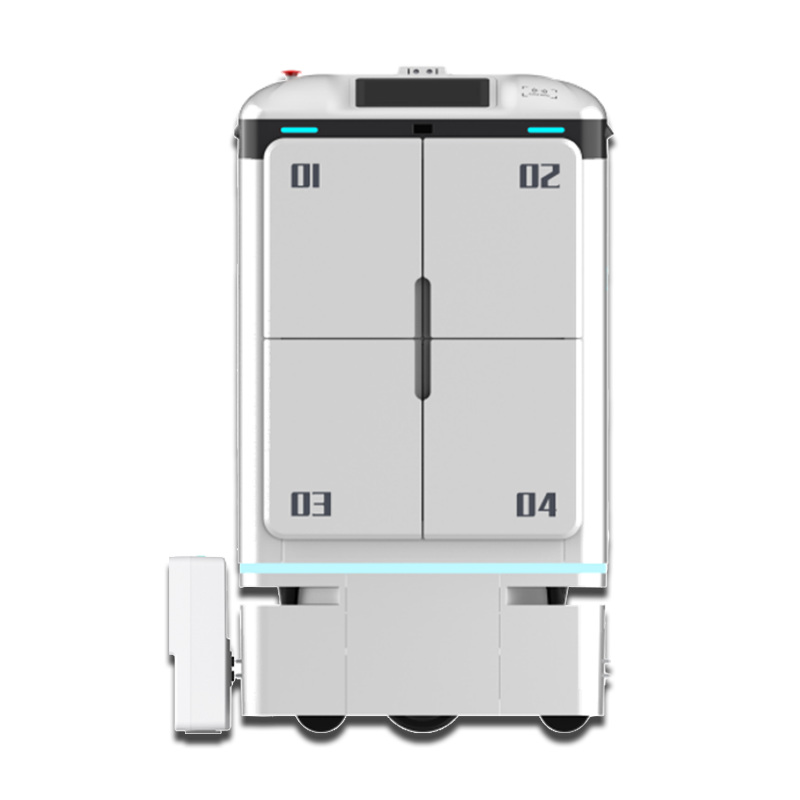
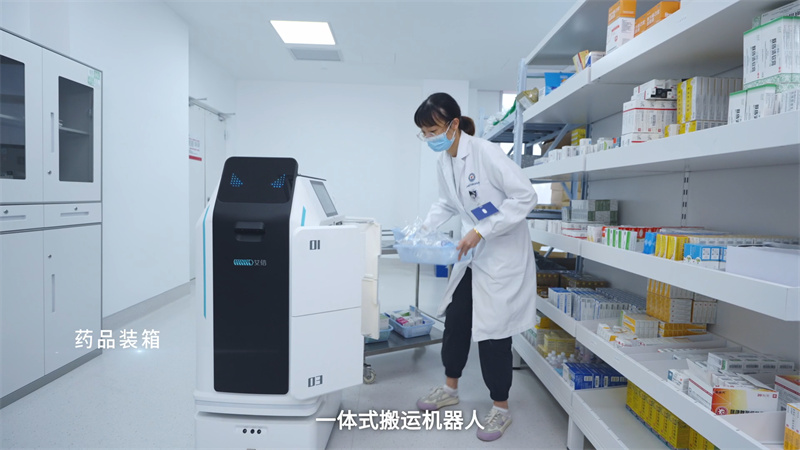
In hospitals where every second counts, omni-directional mobility helps robots move smoothly and safely in any direction, forward, backward, sideways or diagonally without stopping or turning awkwardly. Using special Mecanum or omni-wheels, these robots can easily glide through tight corridors, corners and crowded areas. This also allows staff to focus on patient care instead of manually transporting supplies. Hospitals like Singapore's Changi General Hospital use them for fast, efficient deliveries in narrow spaces such as pharmacy rooms and patient wards. Omni-directional robots can carry various loads, from medications to lab samples, without slowing down hospital workflows. This movement also reduces wear and noise, keeping the environment calm while ensuring steady delivery flow. Maintenance is simpler too, since the smooth movement puts less strain on wheels and motors. According to client feedback, robots with omni-directional mobility greatly improve efficiency, flexibility and reliability in daily hospital operations.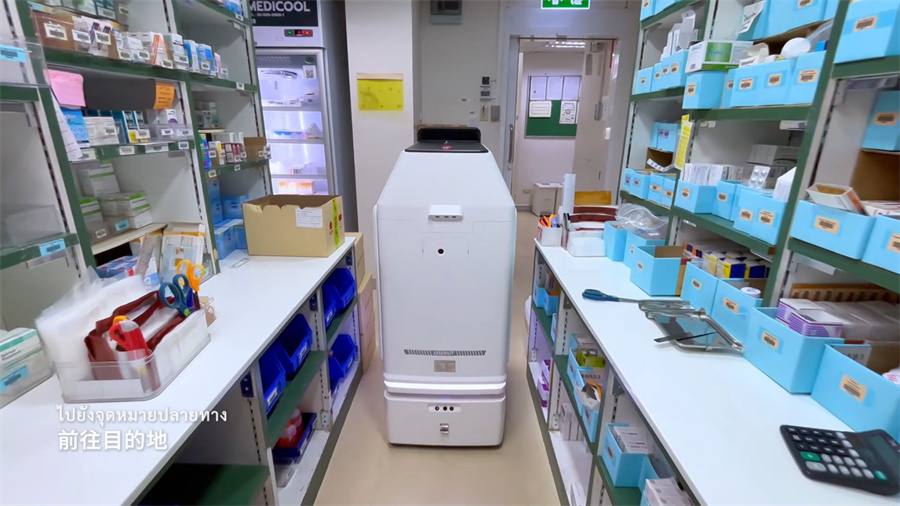
Dynamic Obstacle Avoidance: Ensuring Patient and Staff Safety with Predictive Algorithms
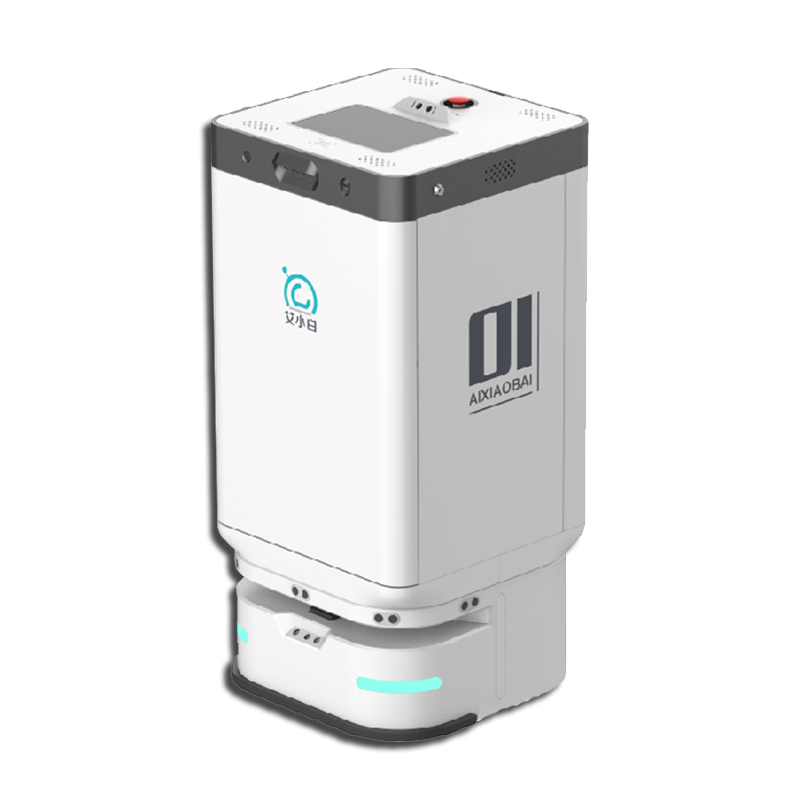
Hospitals are always busy with staff rushing, patients moving and equipment constantly in use, so delivery robots need more than simple navigation to work safely. That's where dynamic obstacle avoidance helps because it uses sensors like LiDAR, depth cameras and ultrasonic detectors to detect and predict movement in real time. These systems can even track multiple moving objects at once, ensuring the robot adapts to complex environments. These sensors feed data into smart algorithms that allow robots to anticipate motion, such as a nurse stepping out or a cart blocking the way, and adjust smoothly without sudden stops. The robots can also slow down or choose alternative routes to maintain continuous delivery without risking accidents. In places like Seoul National University Hospital, such robots safely move alongside people without causing disruption. This predictive technology makes navigation feel natural, builds trust between humans and machines, and reduces collisions that cause downtime. Regular software updates further enhance obstacle avoidance, allowing robots to learn from new patterns and improve over time. By blending real-time sensing with intelligent prediction, dynamic obstacle avoidance keeps hospital robots dependable, safe and efficient in even the busiest environments.
Founded in 2013 and headquartered in Suzhou, China, Esseniot is a global provider of automated and integrated intralogistics solutions.