 EN
EN AR
AR NL
NL FR
FR DE
DE EL
EL HI
HI IT
IT JA
JA KO
KO PT
PT RU
RU ES
ES TL
TL ID
ID SR
SR UK
UK VI
VI HU
HU TH
TH TR
TR FA
FA SW
SW UR
UR TA
TA KK
KK
Public health emergencies can happen with little warning, putting hospitals and healthcare systems under intense pressure. The COVID-19 pandemic showed how quickly hospitals can face shortages of beds, medical supplies, trained staff, and Waste and linen collection capacity. Preparing healthcare infrastructure for future emergencies is not only about having more equipment but also about building systems that can adapt when conditions change. Hospitals need flexible spaces, reliable supply chains, strong digital systems, and well-trained teams ready to respond. By learning from past experiences and improving daily operations, healthcare facilities can protect patients, support workers, and provide better care during future health crises.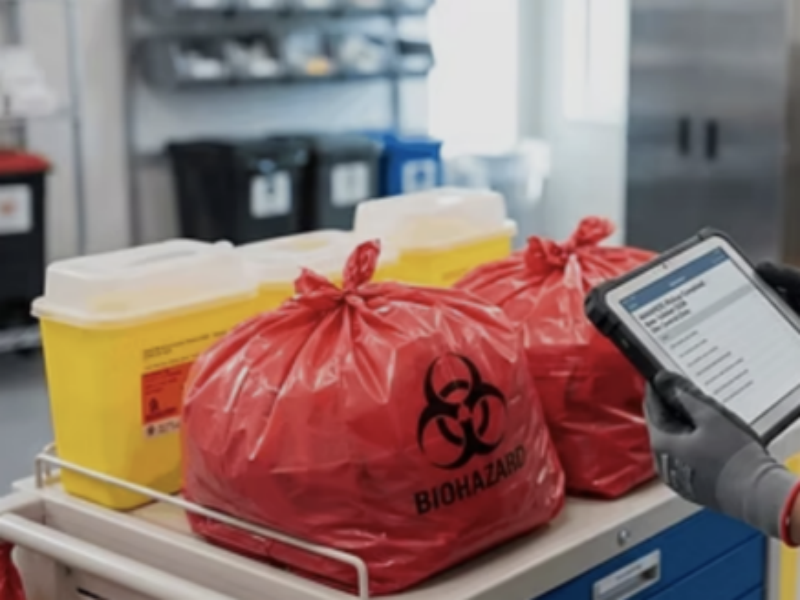
Waste management challenges during periods of sudden patient surges
When a public health emergency causes a sudden rise in patients, healthcare facilities often face a major increase in medical waste. Items such as masks, gloves, gowns, syringes, testing materials, and other contaminated supplies can quickly fill storage areas and place pressure on existing waste systems. During the COVID-19 outbreak, many hospitals experienced this challenge as isolation wards expanded and the demand for protective equipment increased. Without proper planning, waste can become a safety risk for healthcare workers, patients, and surrounding communities.
To handle sudden waste increases, hospitals need flexible waste management plans that can expand during emergencies. One important step is estimating possible waste volumes before a crisis happens. Emergency planning should include extra storage areas, backup treatment options, and clear procedures for collecting and separating different waste types. Staff members should also receive regular training so they know how to manage larger waste loads safely.
Supply planning also plays an important role. Hospitals should avoid relying on a single waste collection or treatment provider because service interruptions can happen during large-scale emergencies. Working with multiple approved partners and maintaining emergency agreements can help keep waste moving even when normal operations are affected.
Another challenge is protecting workers who handle increased amounts of infectious waste. Healthcare waste teams need proper protective equipment, safe handling procedures, and enough manpower to manage higher workloads. Simple improvements, such as placing waste containers closer to patient care areas and clearly labeling waste bags, can reduce mistakes and improve safety.
Future-ready healthcare facilities should view waste management as part of emergency preparedness rather than an afterthought. By building systems that can adjust quickly during patient surges, hospitals can reduce health risks and maintain cleaner, safer environments even during the most difficult situations.
Building flexible treatment capacity within healthcare campuses
Building flexible treatment capacity within healthcare campuses is an important step in preparing for future public health emergencies. When patient numbers rise suddenly, hospitals need more than additional beds and medical staff. They also need waste treatment systems that can handle changing demands without creating delays or safety problems. A healthcare facility that can adjust its waste management capacity during a crisis is better prepared to protect patients, workers, and the surrounding community.
One practical approach is creating adaptable waste treatment areas that can support normal daily operations but expand when emergencies occur. For example, a hospital may have a treatment system designed for regular waste volumes but with extra capacity available during disease outbreaks, natural disasters, or other high-demand situations. This reduces the risk of waste accumulation when healthcare activities increase quickly.
On-site or decentralized treatment solutions can also help healthcare campuses respond faster. During the COVID-19 pandemic, many facilities faced challenges with transporting large amounts of infectious waste to external treatment locations. Delays in collection and transportation increased pressure on hospital storage areas. Having treatment options closer to where waste is generated can reduce dependence on outside services and improve response speed during emergencies.
Healthcare campuses can also design spaces with future needs in mind. Areas that support waste treatment, storage, and handling should allow for equipment upgrades and workflow changes. Modular systems are useful because they can be expanded or adjusted as healthcare demands change. This approach allows hospitals to improve their emergency readiness without rebuilding their entire infrastructure.
Regular testing and maintenance are also needed to keep flexible systems ready. A backup system only works well when staff understand how to operate it and equipment is checked before an emergency happens. Training exercises can help teams identify problems and improve response plans.
By developing flexible treatment capacity, healthcare facilities can create stronger emergency response systems. Instead of reacting after a crisis begins, hospitals can prepare systems that are ready to handle sudden increases in waste while supporting safe and continuous patient care.
The role of decentralized systems in healthcare resilience planning
Decentralized systems have proven to be very useful in preparing healthcare facilities for any future outbreak. Conventional methods of healthcare waste management are usually reliant on centralization of treatment facilities that are off-site from hospitals. This method works well under normal circumstances, but it could pose a problem in times of epidemics or disasters. Decentralized systems give more control to healthcare facilities in terms of waste management.
During a public health crisis, transportation networks may become overloaded or limited. Hospitals may generate much larger amounts of infectious waste while external treatment providers are also dealing with increased demand. A decentralized approach, such as having treatment capabilities closer to where waste is produced, can reduce the need for long-distance transportation and lower the pressure on outside services.
For example, during the COVID-19 pandemic, many healthcare facilities had to quickly expand isolation areas and increase the use of protective equipment. This created a sharp rise in medical waste. Hospitals with stronger internal waste management capabilities were better able to handle these changes because they had more options when external collection schedules were affected.
Decentralized systems also support faster decision-making. Hospital teams can monitor Medical Waste Management , adjust processes, and respond to problems without waiting for outside support. This can be especially useful for healthcare facilities in remote areas where access to specialized waste treatment services may be limited.
However, implementing decentralized systems requires careful planning. Hospitals need to consider available space, equipment requirements, staff training, safety standards, and long-term maintenance. The goal is not simply to add new technology but to create a reliable system that fits the facility's daily operations and emergency needs.
When included in resilience planning, decentralized waste management can strengthen the overall ability of healthcare campuses to respond to crises. It gives hospitals more flexibility, reduces dependence on vulnerable supply chains, and helps ensure that essential healthcare services can continue even during unexpected public health emergencies.
Founded in 2013 and headquartered in Suzhou, China, Esseniot is a global provider of automated and integrated intralogistics solutions.