 EN
EN AR
AR NL
NL FR
FR DE
DE EL
EL HI
HI IT
IT JA
JA KO
KO PT
PT RU
RU ES
ES TL
TL ID
ID SR
SR UK
UK VI
VI HU
HU TH
TH TR
TR FA
FA SW
SW UR
UR TA
TA KK
KK
Small delays in many hospitals could make patients feel stressed or uncomfortable, particularly with awaiting lab results, medicines or urgent samples. Blood samples, documents, medicines and many other items can be transported rapidly via a network of pneumatic tubes within the hospital thanks to a Pneumatic Tube System . Objects are transported to the respective person in seconds rather than having to walk long distances. This easy switch can make care faster, more organized. It typically translates to reduced wait times, streamlined treatments and a feeling that things are proceeding in a timely and efficient manner for the patient.

Faster Diagnosis and Treatment with Pneumatic Tube Systems
One of the largest differences in a hospital that incorporates a pneumatic tube system is how quickly doctors are able to confirm a diagnosis. No longer do someone have to walk patients to and from the lab, or wait for a runner to bring blood samples. They are directly sent to the lab in a few seconds. That small change reduces the time until a result is provided, and provides more quickness in treatment decisions.Consider an ER patient with chest pain. The nurse takes blood for testing and immediately sends it via the tube system. Often the sample arrives at the laboratory before the patient has completed the initial monitoring period. The lab can begin processing the sample as soon as it's received and doctors receive the results sooner than they would if they hand-carried it. That early finding can impact what happens next, whether it be beginning a medication, ordering additional tests, or transferring the patient to a different unit.This also plays a role in regular wards. The antibiotic is prescribed at the correct dosage faster, from doctor to pharmacy, by the system, allowing a patient to receive the proper treatment faster while waiting. Even the least significant of the delays, such as waiting for paper requests or manual delivery, are minimized.In certain hospitals staff report no longer needing to deal with bottlenecks caused by busy hours for sample transport. Nurses need not leave the bedside or ward, they can remain with the patients while sending items through the tubes. This Laboratory Automation helps to maintain the focus of care and its stability.This tends to work best when the hospital has established guidelines on what is allowed to be sent (such as laboratory specimens, prescriptions, or small documents). Carriers can also be avoided by labeling on them. Staff may use simple tracking logs with some teams that will indicate when and where an item was sent. Training is also essential in order to ensure that all are aware of the proper way to load and send items.As time goes on, this improvement in the information and samples' flow has a positive impact on how quickly doctors can make decisions and how quickly patients receive their diagnosis.
Reducing Patient Waiting Times Through Pneumatic Tube Systems
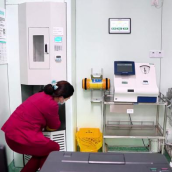
One of the most stressful aspects of going to the hospital is the waiting time. Many patients end up waiting in wards or emergency rooms without knowing what the next steps are, particularly while waiting for lab reports, medications and other ward responses. This can be reduced through a pneumatic tube system which quickly transports products between units without the need of staff walking back and forth.If a doctor has asked for a lab test, the sample can be taken to the laboratory at once via the tube system. It won't have to be carried to the room by a porter or nurse. This is also true of critical drugs from the pharmacy. When they're prepared, the order can be sent directly to the ward in a timely manner. These little time savings accumulate and speed up the patient's care journey.This can make a difference in a busy outpatient environment. If blood samples are queued up for manual transport, for instance, a patient waiting for a blood test result could wait hours waiting for the result. A pneumatic tube system allows for the sample to arrive to the lab promptly, undergo processing sooner, and the doctor can read the result without any delays. Patients frequently go, as there is quicker diagnosis and treatment.It also minimizes the movement of hospital personnel back and forth. Nurses and assistants will not have to go out of the ward to collect or deliver. This helps maintain consistency of care and allows patients to feel cared for.This process is typically enhanced in hospitals by establishing definite sending points within each ward and ensuring that there is always adequate availability of carriers. Simple practices, such as picking up and sending out items as soon as they are collected, can also help to maintain the flow.This increased flow of samples, reports and medicines over time translates to reduced waiting times for patients. It enhances a more seamless journey where care is seen as more continuous and less time is lost in waiting for the next step.
Minimizing Patient Movement Using Pneumatic Tube Systems
Patients tend to be moved more than necessary in many hospitals. They might have to travel to the laboratory and then to the ward and/or be sent to various holding units while staff make requests and collect test results. Every movement may be tiring and particularly for patients who are already weak, in pain, or recovering from surgery. A pneumatic tube system that moves the work rather than the patient can help to reduce this.With samples sent through tubes, reports, and small medical items, there is less need for patients to move from department to department. A blood sample can be drawn directly from the bed-side to the laboratory in seconds. The results can be returned the same way. Due to this, patients are likely to remain stationary while being cared for by their health care provider around them.For instance, after surgery the patient might need regular blood tests. These may be uncomfortable and tiring if they are moved without a tube system to various locations. Once the system is set up, a sample is retrieved and sent down the tube. The patient is lying down, while in the background, there is some movement.This is also beneficial in ERs. Patients receiving a course of observation might require multiple tests in a brief period of time. Mobile items like patients move through the tube network rather than being moved from place to place or staff having long journeys around the hospital. The patient is left under observation at one location and assists staff in being more vigilant about changes in condition.In addition to comfort, reducing movement is about the situation. It also reduces risks. Less transfers, less falls, particularly for the elderly, or those attached to medical equipment. It also cuts down on breaks in services because nurses are spending more time at the bedside rather than moving around with patients or carrying loads.Hospitals also promote this arrangement by strategically positioning tube stations near nursing units and laboratories. Hospitals also encourage this by having tube stations near the nursing units and labs. Simple steps for sending and clear labelling allow staff to use the system during busy times.Patients' care becomes more stable and less fatiguing over time. They can just rest and recover while the hospital takes care of the majority of the moving.
Improving Hospital Satisfaction with Pneumatic Tube System Automation
Effective and speedy delivery of care is one of the most influential factors on patient satisfaction. Delays in test results or medications or need for important documents can cause stress to patients and their families.Hospitals often dedicate employee hours, especially a substantial amount of that time is walking, to transport lab results, prescriptions, blood samples, etc. This transportation process, although necessary, can detract from patient care. Pneumatic tube systems help fix this issue by automatically transferring items across the hospital in just minutes.A blood sample drawn from an ER patient can be sent directly to the lab instead of waiting to be manually transported there. The lab can then run their test earlier which might help physicians get results to a doctor quicker, allowing them to make treatment decisions more promptly. Most patients are grateful for shorter waiting times which provide a more reassuring and less anxious environment for what can be a scary time.The pneumatic tube system is helpful in the medication department as well. The pharmacy is able to send medications quickly through the tube system rather than sending one employee across the hospital to deliver the medication to the patient. Faster medication times may benefit patient treatment and perception.Hospitals are also benefiting from nurses, labs, and support services spending less time in transit. This time spent transporting materials is then redirected to patient interaction, answering questions, and direct care. Those smaller interactions are more frequently cited in high patient satisfaction surveys.If your facility is trying to find ways to provide better patient care and satisfaction it should start by evaluating the logistics of the facility. While your patients may not realize the entire pneumatic tube system itself they do recognize that it benefits them in some ways.
Founded in 2013 and headquartered in Suzhou, China, Esseniot is a global provider of automated and integrated intralogistics solutions.