 EN
EN AR
AR NL
NL FR
FR DE
DE EL
EL HI
HI IT
IT JA
JA KO
KO PT
PT RU
RU ES
ES TL
TL ID
ID SR
SR UK
UK VI
VI HU
HU TH
TH TR
TR FA
FA SW
SW UR
UR TA
TA KK
KK
When Esseniot Hospital noticed rising lab errors from misplaced samples to long transport delays, the leadership realized change was urgent and these small issues were causing big problems like delayed diagnoses, overworked staff and risks to patient safety and they decided to install a pneumatic tube system (PTS) to streamline lab workflow. Then now the results were striking like within months, lab errors dropped by 50% and overall efficiency improved dramatically and this case study shows how they pinpointed the problem, implemented the solution and achieved measurable real-world results.
The Challenge: Delays & Contamination Risks
Before installing the pneumatic tube system Esseniot Hospital faced daily lab challenges mainly slow sample transport and even staff had to hand-carry specimens across departments creating delays and heavy workloads especially during peak hours or emergencies. Samples were also at risk of contamination as improper sealing, labeling or jostling could affect test accuracy forcing repeat tests and delaying patient care. Lab technicians struggled to maintain sample integrity too, recalling cases where blood sat on counters for 40 minutes before reaching the lab rendering results unusable. These issues caused a ripple effect: longer patient wait times, repeated tests and constant pressure on staff and recognizing the need for a smarter solution, the hospital leadership began exploring automation to eliminate delays, reduce contamination risks and provide a more reliable system like paving the way for the pneumatic tube system.
Our Custom PTS Solution & Implementation Process
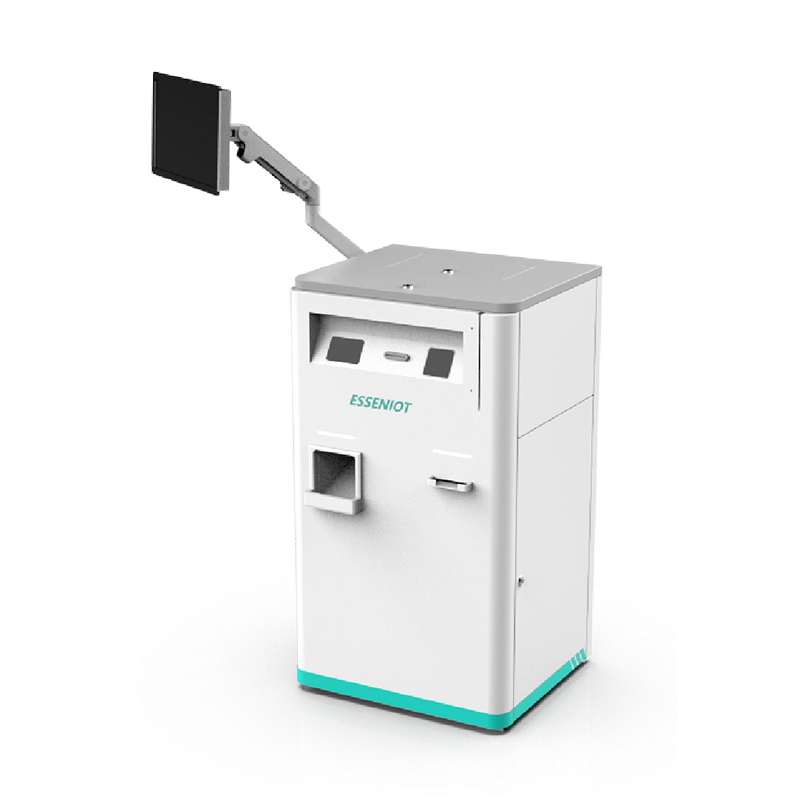
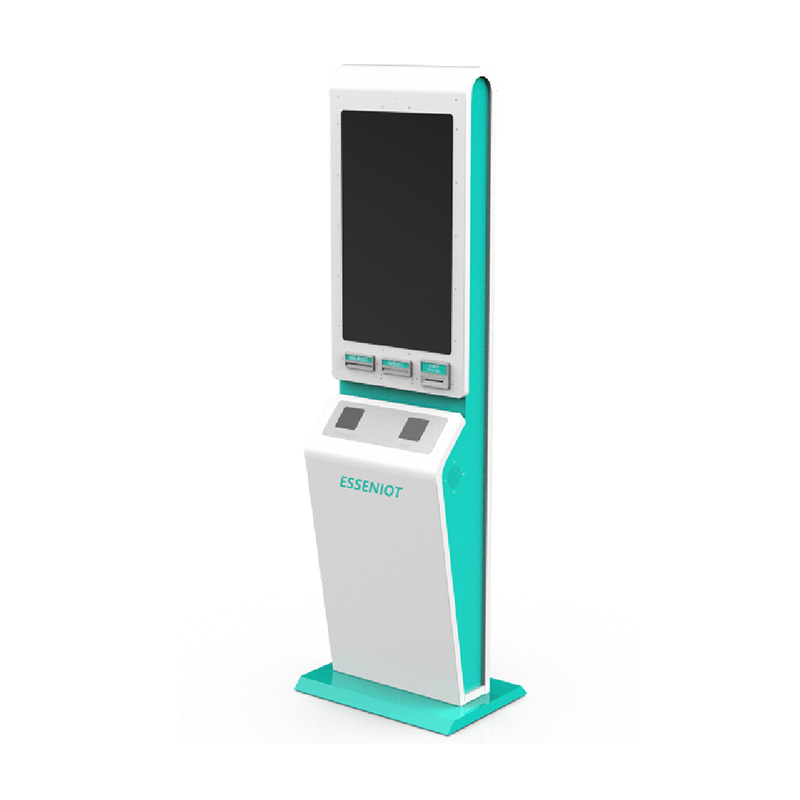
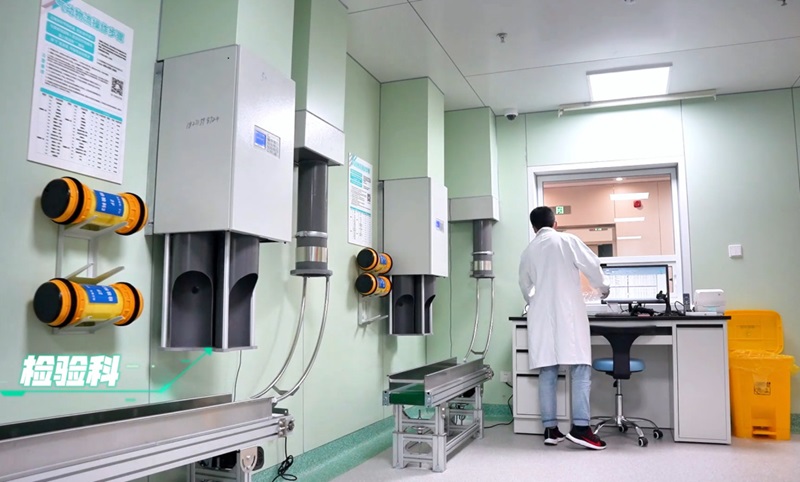
Once Esseniot decided to invest in a pneumatic tube system they chose a custom-built setup tailored to the hospital’s size, layout and workflow and key locations like the emergency department, operating rooms, ICUs and main lab were mapped to create efficient routes. A detailed site survey identified delays and high-traffic areas while future growth plans ensured long-term relevance also dedicated send/receive stations were installed at high-priority departments like for instance, the emergency department got a station next to triage for instant sample sending and the lab received a high-speed auto-unloading unit to minimize manual handling. And staff training focused on real use cases like nurses learned proper labeling and securing while lab techs practiced scanning and retrieval and because the system matched daily routines and pressure points, adoption was fast and tasks that once took 30–40 minutes were now completed in under five, delivering not just speed but a workflow that truly fit the hospital’s needs.

Measurable Results: Faster TAT, Fewer Rejections
Within just three months of using the new pneumatic tube system, Esseniot Hospital saw clear improvements in lab operations and sample turnaround time dropped from up to 40 minutes to an average of 5 minutes even during peak hours, allowing lab techs to process tests faster and helping doctors make quicker decisions. Sample rejection rates also fell from around 6% to under 3%, cutting waste, cost and rework. However fewer mix-ups occurred because every sample had to be properly sealed and labeled which improved workflow habits and overall, the system not only sped up transport but made the lab smarter and more efficient reducing stress for staff and improving patient outcomes.
Founded in 2013 and headquartered in Suzhou, China, Esseniot is a global provider of automated and integrated intralogistics solutions.