 EN
EN AR
AR NL
NL FR
FR DE
DE EL
EL HI
HI IT
IT JA
JA KO
KO PT
PT RU
RU ES
ES TL
TL ID
ID SR
SR UK
UK VI
VI HU
HU TH
TH TR
TR FA
FA SW
SW UR
UR TA
TA KK
KK
A hospital's pneumatic tube system can work quietly for years, moving blood samples, medicines, documents, and other items between departments. But as the building grows, equipment ages, and delivery demands increase, an older network may start causing delays and maintenance headaches. At that point, hospital teams often face a practical question: should they retrofit the existing pneumatic tube network or replace it completely? The right choice depends on the system's condition, layout, traffic levels, and future needs. A careful review can help avoid unnecessary construction costs while keeping patient care moving smoothly during modernization.
Signs Your Hospital Pneumatic Tube System Needs an Urgent Upgrade

A pneumatic tube system rarely fails all at once. More often, it gives small warnings that are easy to overlook during a busy hospital day. Frequent tube jams, longer delivery times, damaged carriers, unusual noise, and repeated station faults can all point to a network that is struggling. Another warning sign is when maintenance teams spend more time repairing old components than keeping the system running smoothly. For example, if nurses regularly call for help because carriers are getting stuck between the laboratory and pharmacy, the problem may go beyond a single faulty part. Tracking these issues can help hospital managers decide when an upgrade is becoming necessary.
interoperability: Integrating New Telecom Standards with Existing Infrastructure
Modernizing a hospital pneumatic tube network does not always mean replacing every part of the system. New controllers, monitoring tools, sensors, and communication equipment may need to work with older stations, wiring, or tube routes. This is where interoperability becomes important. Before adding new technology, check how well it can communicate with the existing infrastructure and whether older components can support the required signals, protocols, and control functions. For example, a hospital might install a new central control system but still use older tube stations in some areas. Checking how the old and new systems work together first can avoid communication problems, sudden outages, and expensive fixes down the road.
Modernizing Hardware: Upgrading Multi-Way Diverters and Station Terminals
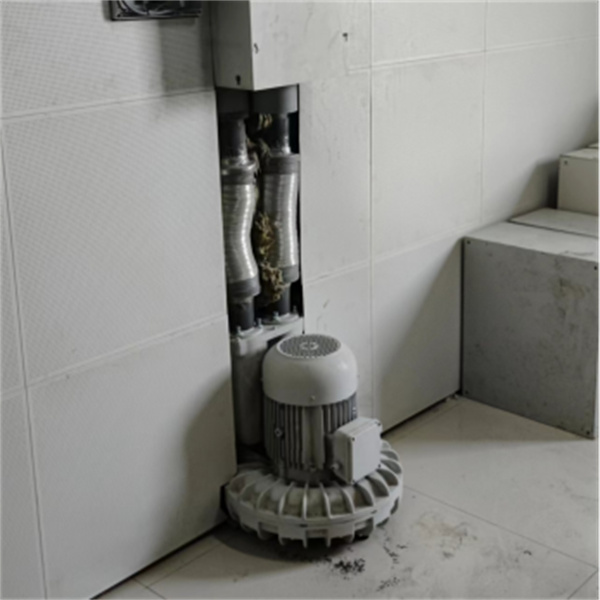
Hardware upgrades can make a major difference when an older pneumatic tube network still has a solid pharmacy pneumatic tube system layout and central infrastructure. Multi-way diverters and station terminals are good places to start because they control how carriers move through the system and how staff send or receive them. Worn diverters may cause routing errors, while outdated terminals can slow down sending and receiving. Before replacing them, inspect their condition, operating speed, and compatibility with the existing controls. For example, a busy hospital may replace several high-traffic station terminals first instead of shutting down the entire network. A phased approach can improve reliability while keeping essential departments connected during the work.
ROI Analysis: Balancing Maintenance Costs of Old Systems Against Modern Upgrades
Comparing repair costs with upgrade costs can make the modernization decision much clearer. Start by tracking how much the existing pneumatic carrier system costs to maintain, including spare parts, technician time, emergency repairs, and downtime. Then compare these expenses with the expected cost of upgrading key components or replacing the network. For example, a hospital may find that repairing an aging diverter several times a year costs less than a full replacement today, but repeated failures could make a targeted upgrade more practical over the next few years. Also consider less visible costs, such as delayed samples, medication delivery interruptions, and extra staff time spent dealing with system problems. A realistic ROI review should look beyond the purchase price and consider how the system will perform over its expected service life.
How to Plan a Phased Retrofit Strategy tailored to Your Facility Layout
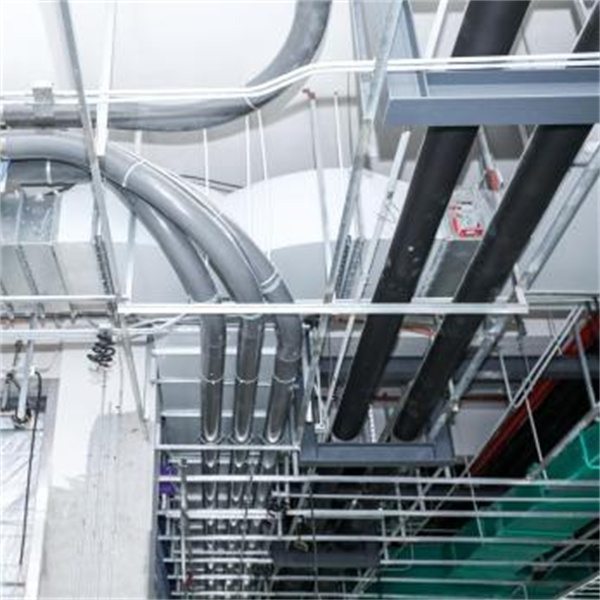
A phased retrofit works best when it follows the way a hospital actually operates. Start by mapping the existing tube routes, stations, diverters, control points, and areas with the highest traffic. Then identify which sections cause the most delays or require the most maintenance. These areas can become the first phase of the upgrade. For example, a hospital may begin with the laboratory and emergency department if those areas depend heavily on fast sample transport. Schedule work during lower-traffic periods and create temporary delivery procedures before taking any section offline. After each phase, test carrier movemDoing things in steps cuts down on problems and lets the team learn from each upgrade before continuing.
Table of Contents
- Signs Your Hospital Pneumatic Tube System Needs an Urgent Upgrade
- interoperability: Integrating New Telecom Standards with Existing Infrastructure
- Modernizing Hardware: Upgrading Multi-Way Diverters and Station Terminals
- ROI Analysis: Balancing Maintenance Costs of Old Systems Against Modern Upgrades
- How to Plan a Phased Retrofit Strategy tailored to Your Facility Layout
Founded in 2013 and headquartered in Suzhou, China, Esseniot is a global provider of automated and integrated intralogistics solutions.