 EN
EN AR
AR NL
NL FR
FR DE
DE EL
EL HI
HI IT
IT JA
JA KO
KO PT
PT RU
RU ES
ES TL
TL ID
ID SR
SR UK
UK VI
VI HU
HU TH
TH TR
TR FA
FA SW
SW UR
UR TA
TA KK
KK
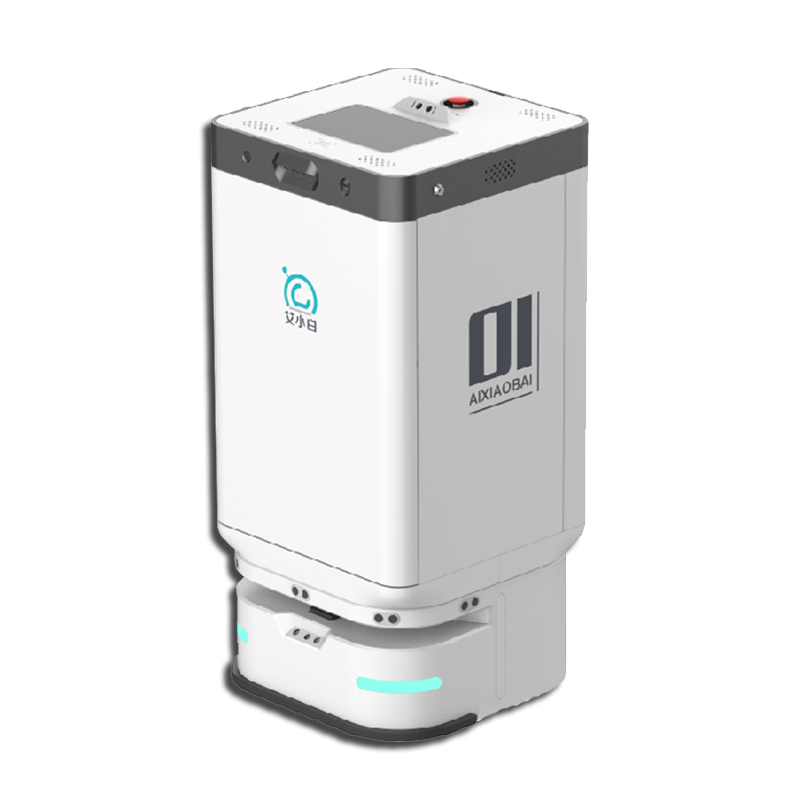
By taking over these repetitive transport duties, robots free healthcare workers to focus more on patient care, monitoring, and treatment. Hospitals that use delivery robots report not only improved efficiency and faster delivery times but also a safer, more hygienic environment, helping protect patients and staff from infection while maintaining smooth, organized operations throughout the facility.
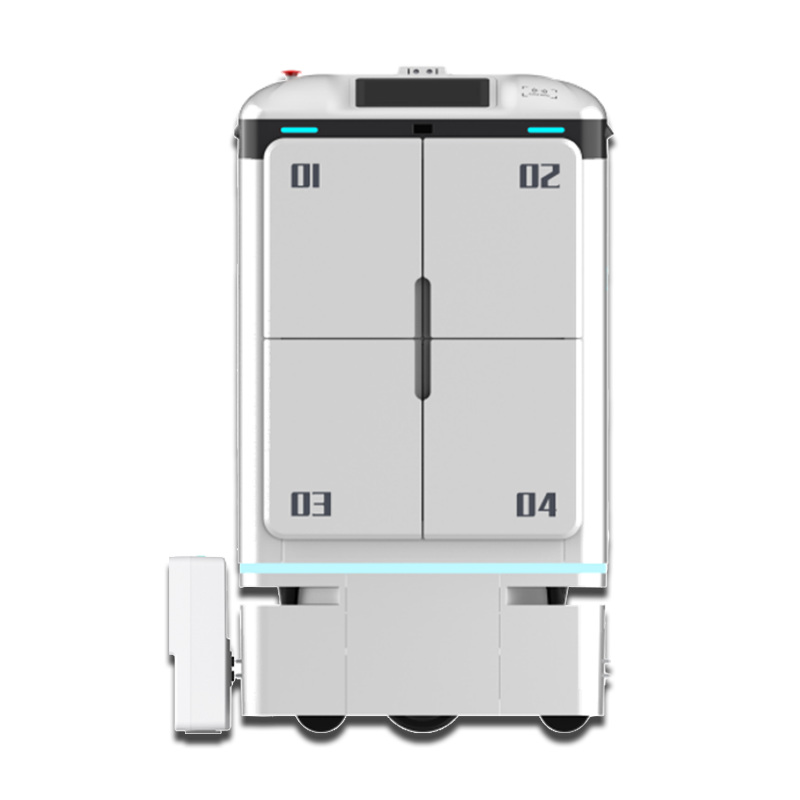
Containment-First Design: Sealed compartments in our delivery robots isolate biohazards, preventing cross-contamination during transport
Keeping each item contained, the robots prevent germs from transferring between packages, a common risk when using open carts or trays. The compartments are carefully sealed to avoid leaks or accidental exposure. For example, when transporting biological samples from the lab to a testing area, the robot's doors remain closed until it reaches its destination, so staff don't have to handle potentially infectious materials more than necessary. This simple design step has a big impact: hospitals that use these robots report fewer incidents of contamination on shared surfaces and reduced stress for staff concerned about accidental exposure. Maintenance is also straightforward because the compartments are easy to sanitize between trips, and containers can be quickly removed or swapped without slowing workflow. By prioritizing containment, these robots provide a reliable layer of protection that complements regular cleaning and hand hygiene, ensuring that hazardous materials remain safely locked away until they reach the right hands. This practical approach helps hospitals reduce infection risks, protect patients and staff, and maintain a safer, more efficient environment every day.
Automated Self-Decontamination: The onboard disinfection system activates between tasks, ensuring a sterile environment inside the robot's cargo hold
This ensures every trip begins in a sterile environment, reducing the risk of carrying bacteria or viruses from one area to another. The system uses safe disinfectants and controlled exposure to sanitize compartments quickly between tasks, minimizing downtime and keeping workflows efficient. For staff, this provides peace of mind because each delivery whether it involves medications, sterile instruments, or lab samples is handled hygienically without adding extra steps to their routine. Automated cleaning also eliminates human error, which can occur when carts or trays are overlooked or rushed, leaving surfaces contaminated. Hospitals using these robots report fewer incidents of surface contamination and greater confidence in the safe transport of critical materials. By combining sealed compartments with automated disinfection, the robots create a reliable barrier against germs, supporting infection control throughout the hospital. While they do not replace handwashing or standard cleaning procedures, they remove a common weak point in logistics by ensuring that every delivery starts and ends in a cleaner, safer state. This design helps hospitals maintain consistent hygiene standards, protect patients and staff, and operate more efficiently across departments.
End-to-End Workflow Security: Mitigating infection risks from pick-up to drop-off, making our delivery robots a reliable partner for sterile material and waste logistics

Every step is controlled, so staff don't have to worry about germs spreading through carts, trays, or hands. The process begins with careful scheduling and route planning, allowing robots to navigate efficiently while avoiding crowded corridors and unnecessary stops. When transporting sterile items such as surgical instruments or medications, sealed compartments and automated disinfection systems work together to protect contents. For biohazardous waste, the robots keep materials isolated and contained, preventing exposure to patients or staff. Tracking and monitoring are integrated into the workflow, logging pick-up and drop-off times, compartment status, and disinfection cycles, which allows staff to verify safe handling and prevents misplacement or accidental exposure. For example, lab samples delivered to testing areas remain in disinfected compartments and are never opened mid-route, keeping both the samples and personnel safe. By controlling every stage of transport, these robots provide consistent, reliable protection that is difficult to achieve manually. They support sterile material handling, reduce infection risks, and streamline waste logistics, allowing healthcare workers to focus on patient care while the robots ensure safe, efficient delivery of materials across the hospital.
Table of Contents
- Containment-First Design: Sealed compartments in our delivery robots isolate biohazards, preventing cross-contamination during transport
- Automated Self-Decontamination: The onboard disinfection system activates between tasks, ensuring a sterile environment inside the robot's cargo hold
- End-to-End Workflow Security: Mitigating infection risks from pick-up to drop-off, making our delivery robots a reliable partner for sterile material and waste logistics
Founded in 2013 and headquartered in Suzhou, China, Esseniot is a global provider of automated and integrated intralogistics solutions.