 EN
EN AR
AR NL
NL FR
FR DE
DE EL
EL HI
HI IT
IT JA
JA KO
KO PT
PT RU
RU ES
ES TL
TL ID
ID SR
SR UK
UK VI
VI HU
HU TH
TH TR
TR FA
FA SW
SW UR
UR TA
TA KK
KK
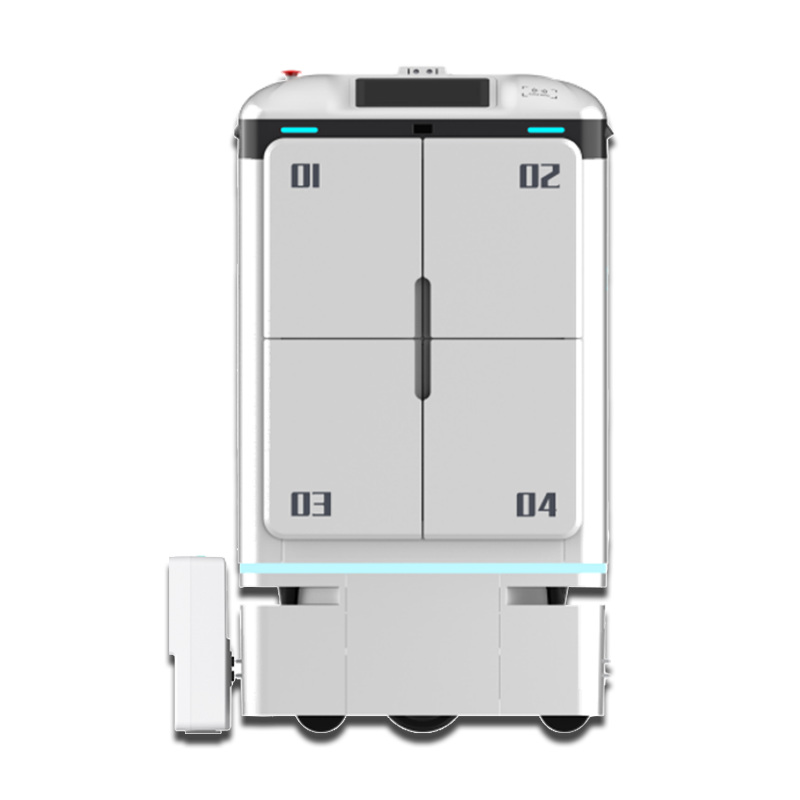
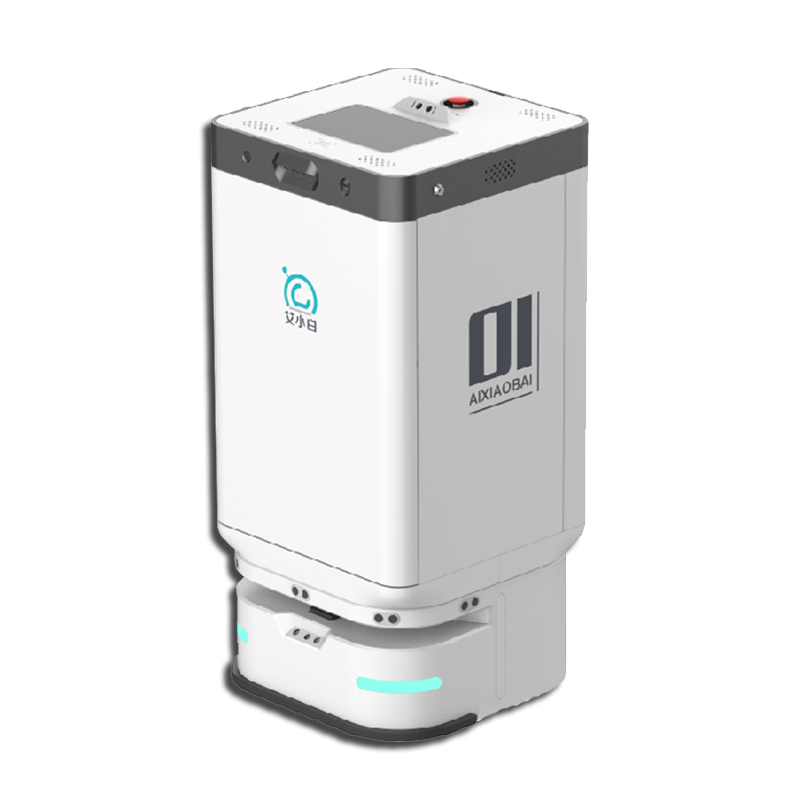
Hospitals are busy environments where every minute counts, and manually transporting supplies, medications, or lab samples can slow down patient care. Hospital delivery robots offer a smart solution. These intelligent machines act as reliable couriers, safely and efficiently moving items across floors and wards. They follow predetermined routes, avoid obstacles, and operate quietly alongside staff reducing delays and minimizing errors. Hospitals that adopt these robots often experience smoother workflows, less stress for staff, and faster delivery of critical items, making daily operations run more efficiently for everyone.
Smart Route Optimization: How Delivery Robots Automatically Calculate the Fastest Path
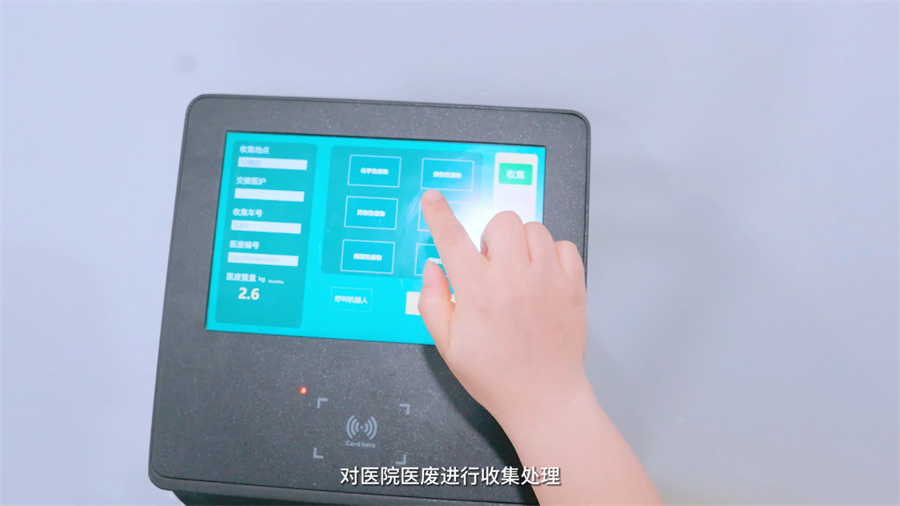
One of the standout features of hospital delivery robots is their ability to automatically find the fastest route, eliminating delays caused by crowded hallways or manual navigation. Using advanced mapping and real-time monitoring, the robots track busy corridors, avoid obstacles like trolleys and cleaning carts, and even account for elevator schedules and door access. For example, a lab sample traveling from the emergency department to the pathology lab can move efficiently while a human runner might be slowed by traffic or elevator waits. Over time, these robots learn patterns in hospital traffic, adjusting routes to prevent congestion and save time, and they can handle multiple deliveries at once, prioritizing urgent items without disrupting routine workflows. By streamlining deliveries, reducing bottlenecks, and freeing staff to focus on patient care, these robots become an invisible yet reliable part of the hospital's daily operations.
Seamless Inter-Departmental Coordination: Unlocking Efficient Workflows from Pharmacy to OR to Ward

One of the biggest challenges in hospitals is keeping different departments in sync, whether it's medications from the pharmacy, instruments from the operating room, or meals for patients. Delivery robots play a key role in streamlining this process, acting as a quiet connector between departments. For example, urgent medications can be placed in a secure compartment, and the robot navigates busy hallways from the pharmacy to the ICU automatically, freeing staff to focus on patient care. The same system works for surgical instruments, meals, and linen, with robots planning the most efficient routes for multiple pickups and drop-offs. This seamless coordination reduces mistakes, ensures timely deliveries, and keeps surgeries and treatments on schedule. By reliably connecting departments, hospital delivery robots serve as an invisible thread that keeps hospital operations organized, efficient, and focused on patient outcomes.By connecting departments reliably, hospital delivery robots act as an invisible thread keeping the hospital workflow moving. They help ensure that every part of the facility works together smoothly, making daily operations more organized, less stressful, and more focused on patient outcomes.
Founded in 2013 and headquartered in Suzhou, China, Esseniot is a global provider of automated and integrated intralogistics solutions.