 EN
EN AR
AR NL
NL FR
FR DE
DE EL
EL HI
HI IT
IT JA
JA KO
KO PT
PT RU
RU ES
ES TL
TL ID
ID SR
SR UK
UK VI
VI HU
HU TH
TH TR
TR FA
FA SW
SW UR
UR TA
TA KK
KK
Handling medical waste is one of the most important responsibilities in any hospital or healthcare facility. Items like used syringes, bandages, gloves, and laboratory samples can pose serious infection risks if not managed properly. That’s why hospitals must have a clear, well-organized system for collecting, segregating, transporting, and disposing of waste. Proper handling not only protects healthcare workers but also safeguards patients, janitorial staff, and the wider community from potential contamination or accidental exposure.
Most hospitals today follow strict safety protocols to ensure medical waste is managed responsibly. These include separating waste according to type such as infectious, chemical, or sharpsusing color-coded bins, and sealing containers securely before transport. Specialized vehicles and equipment are also used to move waste safely to designated treatment or disposal areas. Staff are trained to handle waste carefully and to use protective gear at all times to avoid contact with hazardous materials.
Leak-Proof & Secure Containers: Mitigating Cross-Contamination and Spill Risks
One of the most effective ways to ensure medical waste is handled safely is through the use of leak-proof and secure containers. These containers are specially designed to prevent spills, leaks, and accidental exposure that could cause contamination or infection. In hospitals, clinics, and laboratories, different types of waste such as used needles, blood-soaked materials, and liquid samples require specific containers. For example, sharp objects like syringes and scalpels go into puncture-resistant sharps bins, while fluids are stored in tightly sealed, leak-proof containers that can withstand movement during transport without breaking or spilling.
However, safety doesn’t stop at simply using the right container. Many accidents occur when containers are overfilled or not properly closed, which can lead to leaks and injuries during handling. To prevent this, containers should be filled only to the recommended level and sealed securely before being removed. Clear labeling and color-coding also help staff easily identify the correct disposal method, reducing confusion and risk.
In Singapore, hospitals follow a strict system where all biohazard containers are double-sealed and placed in secondary containment boxes before transport. This extra layer of protection prevents leakage even if one container fails. Regular inspections are also done to check for cracks or wear. By maintaining secure, leak-proof containers, healthcare facilities protect not just their staff but also waste handlers and the environment promoting a culture of safety, responsibility, and care in every step of the waste management process.
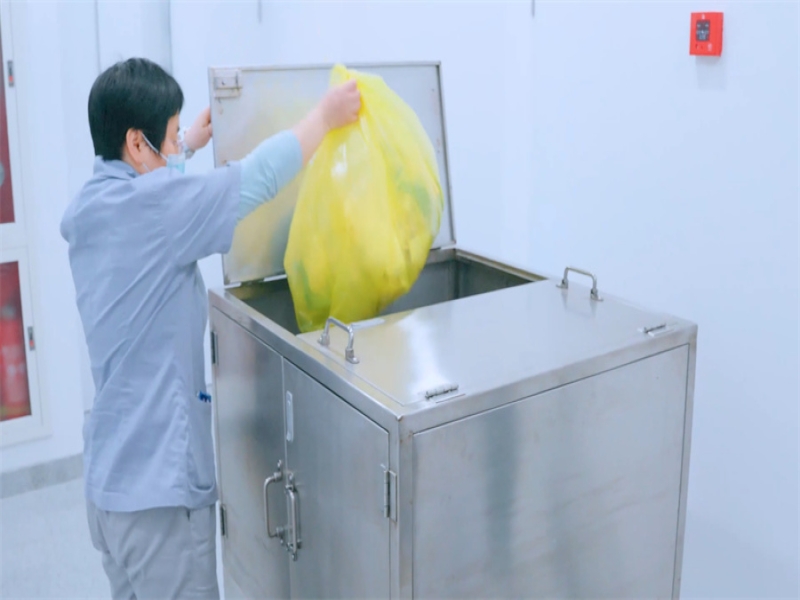
Audit-Ready Workflow: Guided Disposal Processes for Enhanced Traceability and Compliance
An audit-ready workflow is essential for maintaining safe and compliant medical waste management in any healthcare facility. It ensures that every stage from waste generation to final disposal is properly documented, traceable, and aligned with regulations. Hospitals and clinics handle many types of waste every day, and without a clear system, mistakes such as improper segregation or missed documentation can easily occur. A structured workflow keeps the process organized, reduces risks, and makes compliance audits smoother and more efficient.
The process typically begins with waste segregation at the point of use. Different types of waste, such as sharps, infectious materials, and general trash, are placed in specific containers that are color-coded and clearly labeled. This prevents mix-ups and ensures that hazardous items are safely contained. Once collected, digital tracking systems or barcodes record who handled the waste, when it was collected, and where it was sent. This traceable data creates a transparent record that auditors can easily verify.
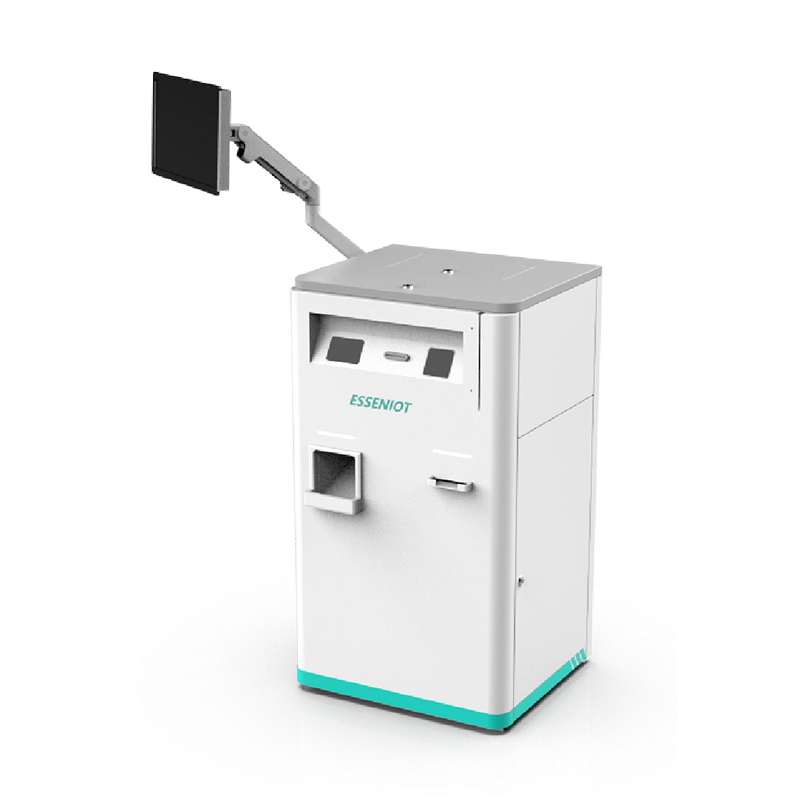
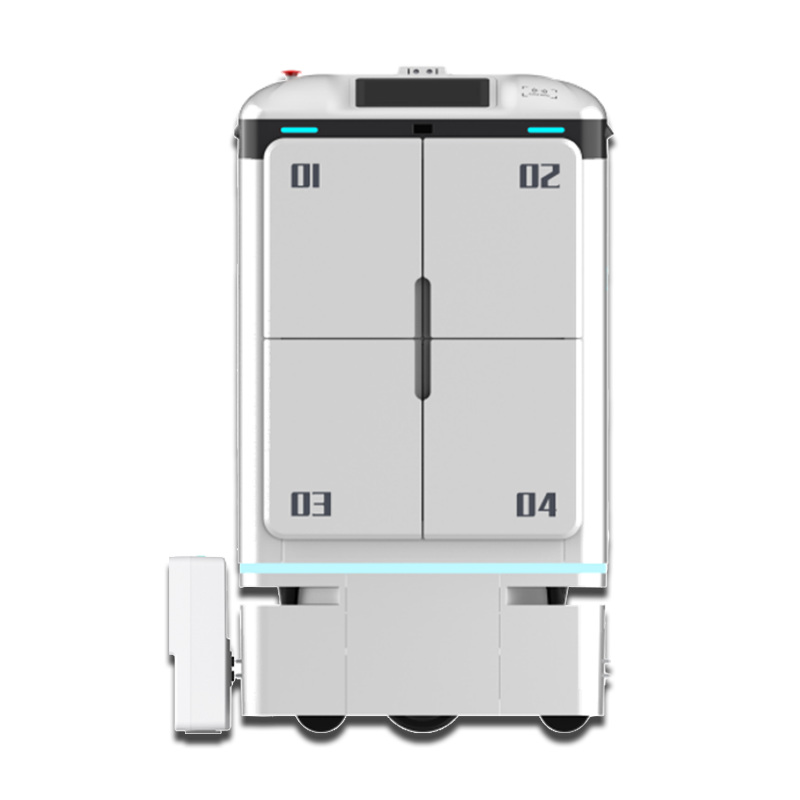
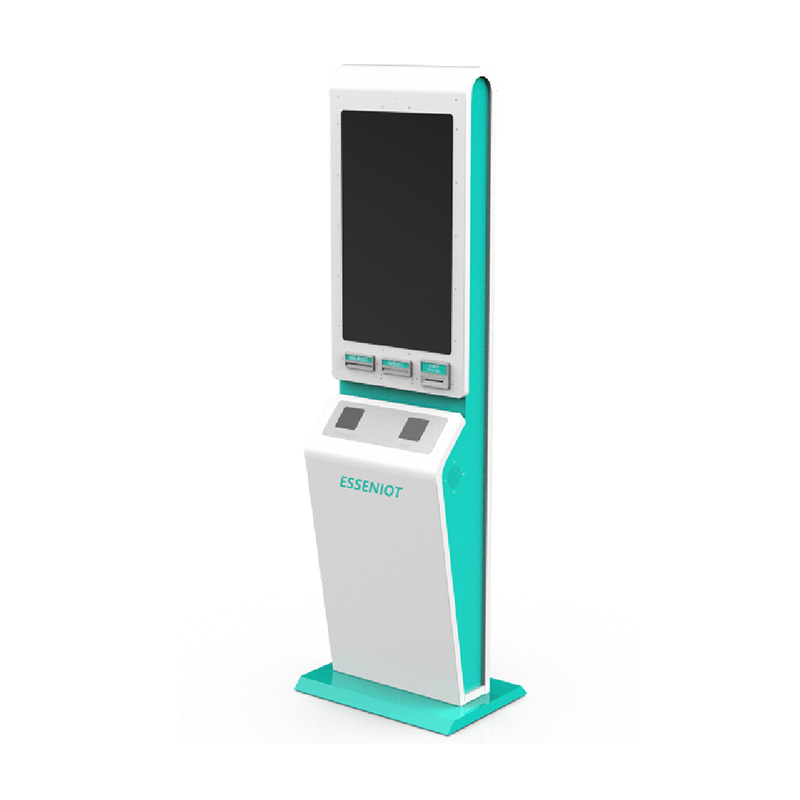
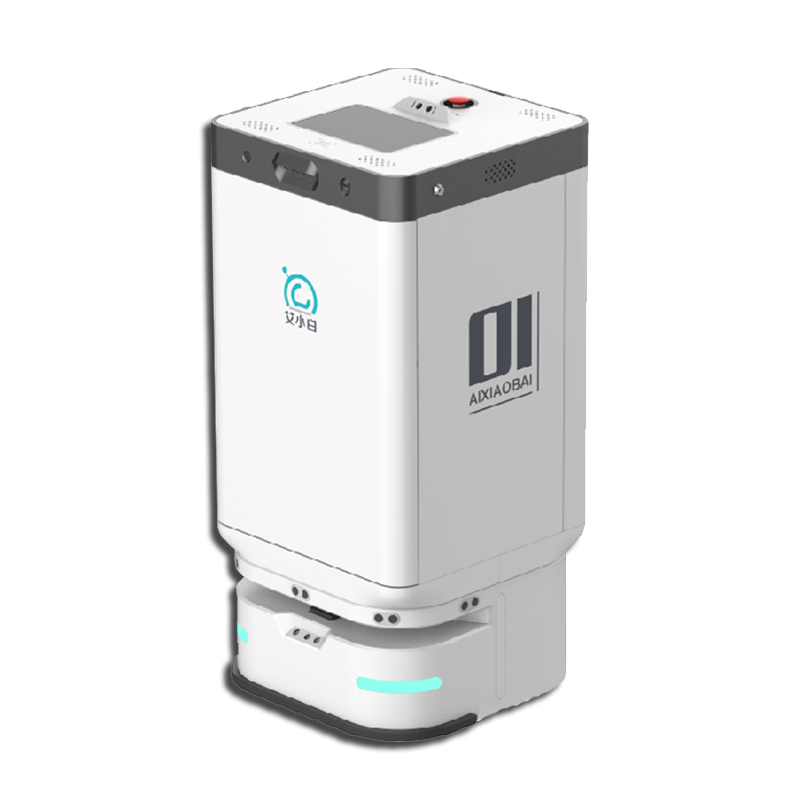
Modern hospitals often use automated systemslike smart trolleys and mobile apps that notify staff of collection times, confirm pickups, and log disposal information in real time. Smaller facilities may rely on manual logbooks or checklists, but consistency and accuracy remain key. By fostering a culture of accountability and traceability, hospitals can maintain compliance, protect staff and patients, and confidently face audits knowing every step is properly recorded.
Founded in 2013 and headquartered in Suzhou, China, Esseniot is a global provider of automated and integrated intralogistics solutions.