 EN
EN AR
AR NL
NL FR
FR DE
DE EL
EL HI
HI IT
IT JA
JA KO
KO PT
PT RU
RU ES
ES TL
TL ID
ID SR
SR UK
UK VI
VI HU
HU TH
TH TR
TR FA
FA SW
SW UR
UR TA
TA KK
KK
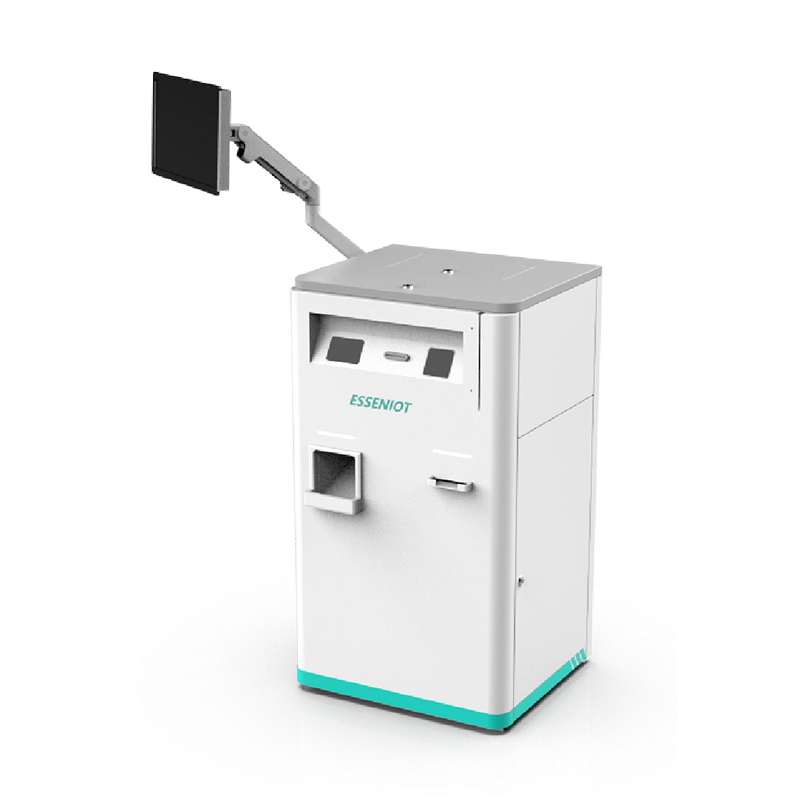
Medical waste management in hospitals and clinics is a time-consuming and continuous process. Material such as gloves, masks, used syringes must also be sorted and disposed of safely each day. This work is frequently left to already busy staff, and may cause delays and/or stress. There are simple ways in which this routine is being changed by automation. The sorting, sealing and treating of waste can now be assisted by machines without constant manual intervention. Staff will have more time to be assigned to patient care activities and less time to be involved in repetitive activities. The Medical Waste On-site Disposal System procedure is smoother, safer and easier to handle in medical environments.
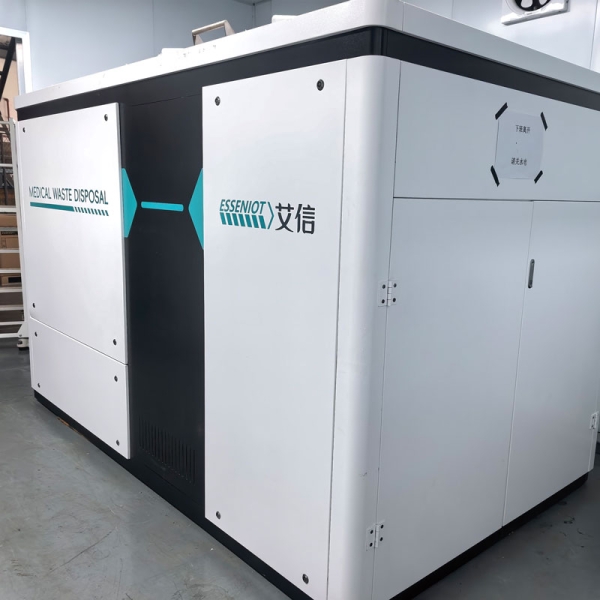
Easy operation: minimal training required
When new medical equipment arrives in the hospital, the issue of training always comes to the fore. Usually the staff believes that training will take weeks or will simply get in the way of them getting on with their jobs. This is typically not the case with the new medical waste automation systems that exist. They are typically built around simple controls. You typically only need to press a button or two, or simply follow what it says on the screen. There are often color-coded steps and many machines are automatic, so there is very little risk of the staff getting it wrong. They therefore find the machines easy to get used to and will not require extensive training sessions. The training sessions required are usually short and quick. An example of this is in a small private clinic. Before automation the staff was required to separate waste, tie the bags, and keep waste disposal records. The nurses time in the ward was often cut short at the end of their shift. Once the new automation equipment was introduced to handle the waste, the staff had the simple process of putting the waste into a designated spot. The machine then goes on to seal and treat the waste. All staff found the equipment user-friendly and only needed a brief orientation session. In many cases experienced staff members can help guide new members of staff in the first few days they work there and in most cases, it then becomes routine. All steps are incorporated into their work routines, much like washing hands or taking vital signs. An added advantage of such equipment is that they usually have inbuilt reminders which will tell the user immediately if they try to dispose of the waste in the incorrect slot. This is useful for new employees undertaking the task of waste disposal, ensuring fewer errors. The best suggestion is to ask the staff for a practical demonstration session of the automated waste equipment when they are considering installing this for the first time. The staff should ideally be encouraged to try it themselves, as opposed to just seeing a demonstration.
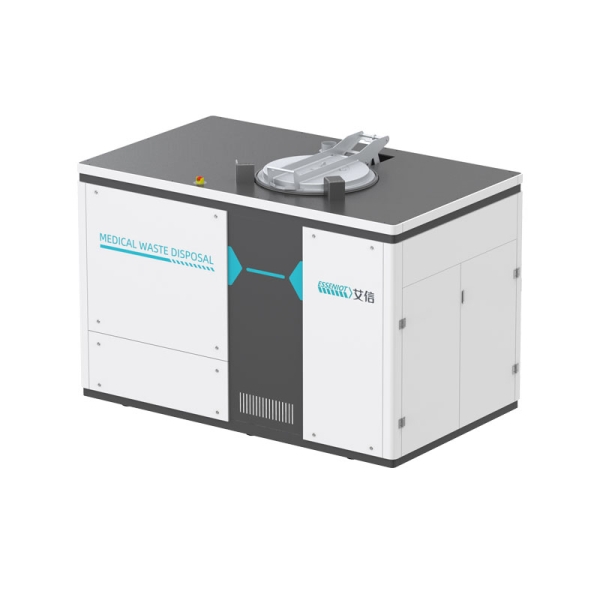
Built-in safety features and interlock systems
One common characteristic of medical waste is that it's possible to find in it the presence of sharp objects, infectious waste and waste in its packaging, which implies a safety risk. Automation systems are provided with a safety function which is automated to reduce hazards without having to be actioned by any additional member of staff. One very important aspect of the machines is the presence of interlocks. If the specific conditions aren't satisfied then the machine can't be turned on. For instance the machines won't function at all if the door hasn't been shut completely, and provide a signal, which guarantees that no staff member could have an accidental contact with the waste during processing, and will never let anyone put a finger inside during the whole process. This type of protection is revolutionary especially for small hospital, consider for example a nurse which is at the end of an extremely stressed shift and throws the waste in the chamber, then in the old machines, just one open door could be a serious issue to get contaminated. But in machines with interlocks this problem won't happen as they are unable to turn on until every single interlock is engaged properly. Other machines available are equipped with sensors which indicate if they've been loaded wrong, or with sensors which detect the overfill of the chamber, the chamber will simply turn off and indicate which the problem is, allowing the operator to sort it out immediately instead of later. Furthermore, another very important feature for some models is the ability to auto-lock once the cycle starts, preventing anyone from getting to the inside of the treatment chamber while it is undergoing the process; this increases the safety for both the operator and the environment. Over time all these safety features become common to the operators, in the sense that they don't need too much effort and can think about what needs to be done next, especially in high volume wards where the operator's attention is already stressed. Overall, the most important benefit a lot of facilities get is peace of mind; they let these machines work to attend to patients and provide care.
Reducing dependence on specialized waste handling staff
The handling of medical waste was formerly dependent on a handful of trained personnel. Some people were permitted to collect, sort and process waste in certain hospitals. This frequently led to stressful situations for these workers, particularly when the business was very busy or there were staff shortages. That's where automation comes in to alleviate that pressure. If waste systems are simple and safe, more general staff can participate in waste systems without in-depth technical training. Rather than relying on a handful of experts, a team's work is distributed in a safe and controlled manner. For instance, in one medium-sized clinic, there were only two members of staff responsible for waste handling on a shift basis. Where one was not present, the other was forced to make up for all and sometimes there were delays as a result. An automatic waste disposal machine was also introduced, and the nurses and assistants could perform the simple disposal work. These systems led them, so they didn't require any advanced knowledge to do it right. This change is no replacement for a trained waste professional. They continue to play an important part in monitoring, maintenance checks and processing more complex waste streams. What changes are the daily routine works, which become easier and less dependent on the small group? The other advantage is flexibility. In the event of an emergency or unexpected patient increase, any staff member with training on duty will be able to take over the waste disposal duties. This ensures that if there are staff shortages, things can keep on running smoothly. It also helps to prevent burnout. If the workload is distributed among a few people, you get tired very fast. It makes everyone who is involved in the situation feel more balanced and less stressed. It's a situation that facilitates collaboration in the long-term. Waste handling becomes part of the normal work flow, rather than a task that can be completed by only a few people and is perceived as a special job.
Comparing workload: traditional incineration vs. automated systems
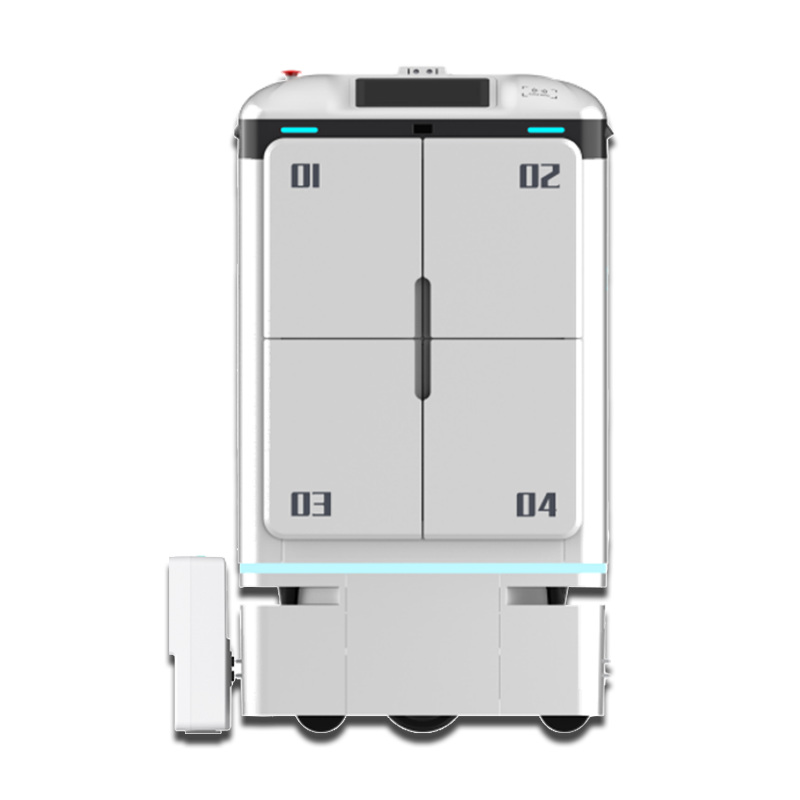
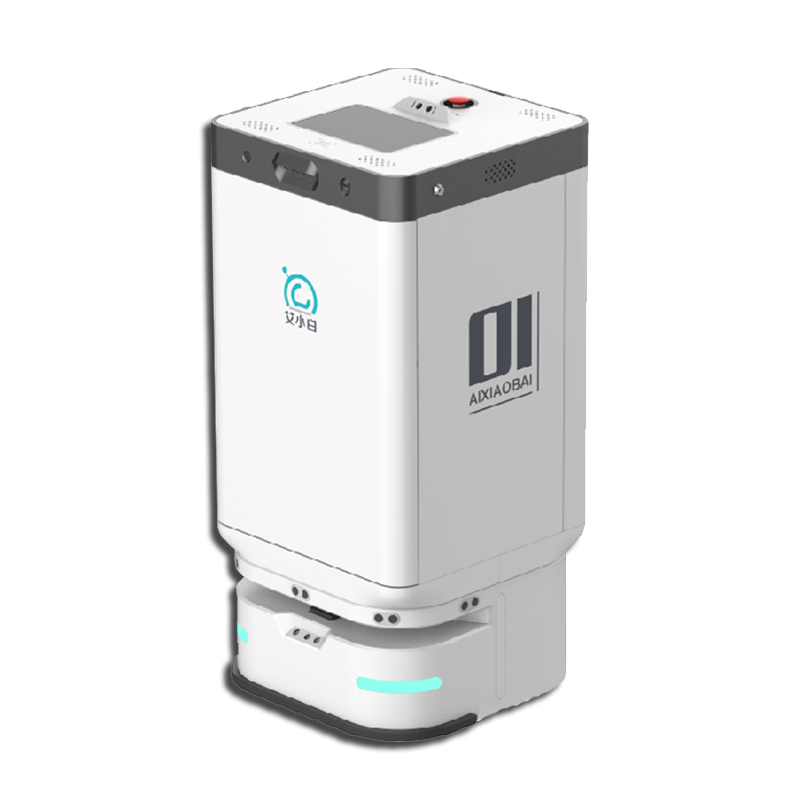
In many healthcare facilities, traditional waste incineration has been used for years. Typically includes picking up trash, driving it to a central waste incinerator, loading the bins, and conducting high-temperature burning cycles. There are various staff needs for each step and typically more than one staff member will be needed. It also needs to be waited and the machine must be carefully monitored and waste needs to be moved in batches. This could lead to a constant stream of jobs all day long. Staff will have time to seal bags, push carts, record logs and monitor the status of the incinerator. Waste can build up in front of the processing unit during load times giving more pressure to the team. Automated systems work in a different way. Often waste is treated on-site , near where it is generated. Materials are placed directly in the unit and the system selfseals, shreds, and/or heat treats without constant supervision. It's more direct than having a process with many steps and locations. For instance, in a private hospital that adopted an automatic system, the waste room had been a busy place. The staff had to transfer between wards and to the incinerator area several times during the shift. Most of that movement came to a halt after automation. Waste was collected at a central location and the processing cycles were carried out independently. Daily routines will show the difference in workload. Traditional incineration is a process involving numerous manual tasks, and automated systems involve fewer steps in the process and can be more controlled. Time spent by staff in checking and management of system is significantly reduced. Consistency is another thing. Manual incineration relies on the timing and coordination of people, which may differ from shift to shift. Automated systems go through the same process every time and this makes it easier to plan and eliminates any surprises. This change over time alters staff's energy expenditure. There is a reduction in time used for transport and manual handling activities and an increase in time available for patient related activities and routine care.
Improving efficiency without compromising safety
One of the common worries that arise in hospitals as they try to increase the speed of work is that the safety of the patient will be compromised. That is even more of an issue with medical waste, as materials can pose infection risks. That's where automation comes in, providing safety measures without sacrificing the time-saving benefits of manpower. Automated systems take over the process in a predetermined order, rather than it being done by staff. You simply bag up waste, place it in the enclosed compartment and the system handles the rest. Shredding, disinfecting or treating it is regulated, so there is no direct human handling while it is being dealt with. As the amount of direct handling has decreased, this will make the environment safer for users, yet will still ensure that all waste is treated efficiently. In an active emergency ward, it will get packed quickly by following procedures. It's likely for employees to quickly pack up the area so it has to be collected as often as possible. Mistakes made due to these situations would include overfilling bags, and incomplete sealing of bags. A small automatic unit may also be installed at an entrance, it will deal with small amounts of waste so that the ward doesn't have a queue in terms of waiting for it to be collected and can easily maintain its neatness. It doesn't increase last minute busy rushes at the ends of shifts. These systems also have safety measures put in place; when the door is not properly closed or the amount is too heavy it stops and informs the user of this error. These simple additions would meet needs for safety without decreasing action. Efficiency is increased in this system because no matter what amount of waste is accumulated, it does not have to be moved by hand or placed onto a cart to be picked up on schedule. It simply stays in the area where it is being used, decreasing shift time, while it does not matter if hands have been contaminated because there is a lower chance of contact in this case. As in a clinic where waste would be collected two times a day, temporary waste storage would have to be done to decrease the amount of space wasted in storage area's, because the time wasted while waiting for the collection team to arrive and remove the waste and the system is more automated and takes care of waste in short time frames. There was reduced pressure on storage and a stabilized flow rate. This balancing act ensures that unneeded handling is prevented, however safety is maintained throughout because the systems will perform more dangerous duties without having a human to deal with them directly so that the routine of staff members will become smoother.
Founded in 2013 and headquartered in Suzhou, China, Esseniot is a global provider of automated and integrated intralogistics solutions.