 EN
EN AR
AR NL
NL FR
FR DE
DE EL
EL HI
HI IT
IT JA
JA KO
KO PT
PT RU
RU ES
ES TL
TL ID
ID SR
SR UK
UK VI
VI HU
HU TH
TH TR
TR FA
FA SW
SW UR
UR TA
TA KK
KK
Hospitals generate medical waste every day, from used syringes and surgical materials to contaminated supplies and laboratory waste. Managing these materials safely is a major responsibility because poor handling can create risks for healthcare workers, patients, and the environment. Many hospitals have relied on centralized waste treatment systems, where waste is collected, transported, and processed at external facilities. However, this approach can bring challenges such as transportation delays, rising costs, and dependence on outside services. Decentralized medical waste treatment offers a different approach by allowing hospitals to manage waste closer to where it is produced, improving control, safety, and long-term operational planning.
Reducing Transportation, Storage, And Outsourcing Costs

Decentralized medical waste treatment equipment can help hospitals lower costs by reducing the need for frequent waste transportation, long storage periods, and heavy reliance on outside treatment providers. In a traditional system, medical waste must be collected, stored temporarily, transported to another location, and treated by a third-party facility. Each step adds expenses, including fuel, labor, vehicle maintenance, service fees, and compliance costs.
By treating waste closer to the point of generation, hospitals can reduce the amount of waste that needs to leave their facilities. For example, a hospital with an on-site treatment system can process certain infectious waste within its own premises instead of paying a contractor to collect and transport it several times a week. This can be especially helpful for hospitals in remote areas where transportation distances are longer and disposal services are limited.
Storage costs are another area where decentralized systems can provide value. Medical waste cannot be kept for long periods because it may create health and safety risks. Hospitals often need dedicated storage rooms with proper ventilation, security controls, and regular monitoring. When waste is treated quickly after generation, the amount of time waste stays in storage areas is reduced. This helps hospitals maintain cleaner workspaces and lowers the pressure on facility management teams.
Outsourcing waste treatment can also create challenges when service prices increase or providers have limited availability. A hospital that depends completely on external companies may face higher costs during emergencies, fuel price increases, or transportation disruptions. Having a decentralized treatment option gives hospitals more control over their waste management process and reduces exposure to outside changes.
For example, during the COVID-19 pandemic, many healthcare facilities experienced a sudden increase in medical waste volume. Some hospitals faced difficulties when external waste services became overloaded. Facilities with local treatment capabilities had more flexibility in handling the increased demand.
Decentralized medical waste treatment is not only about saving money immediately. It also helps hospitals build a more reliable waste management system that can support daily operations, emergency preparedness, and long-term financial planning. By reducing unnecessary movement and external dependence, hospitals can use their resources more efficiently while maintaining safe waste practices.
Space Optimization And Facility Upgrade Considerations
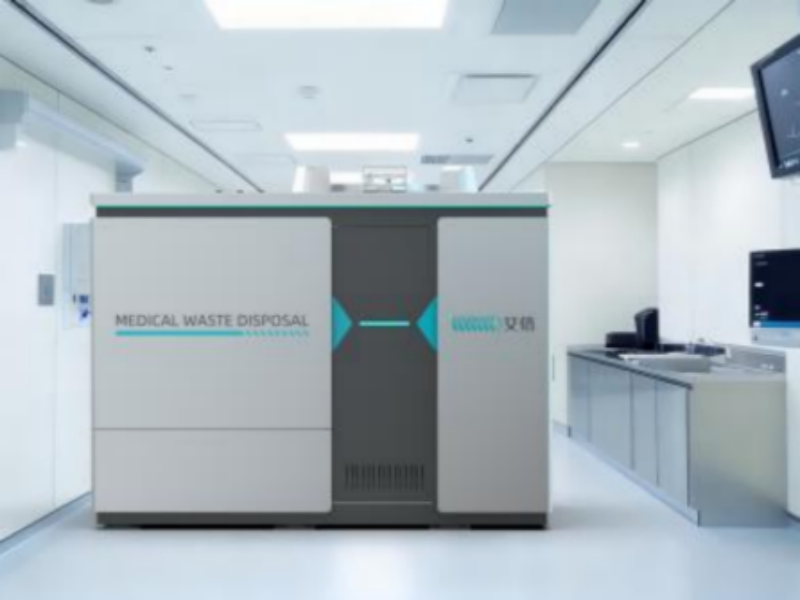
When hospitals consider decentralized medical waste treatment, one important factor is how the system fits into the existing facility. Space inside a hospital is valuable, and every area must support patient care, safety, and daily operations. A well-planned waste treatment setup should not create new problems but should become a practical part of the hospital's infrastructure.
Traditional waste management often requires large storage areas where medical waste waits for collection. These spaces need strict controls to prevent exposure risks, unpleasant odors, and contamination. By treating waste closer to where it is generated, hospitals can reduce the amount of waste waiting for transport. This allows facilities to rethink how storage areas are used and possibly convert some space for other operational needs.
Facility upgrades should start with a careful assessment of the hospital's layout. Teams need to consider waste generation points, available installation areas, electrical requirements, ventilation, safety access, and maintenance needs. For example, a large hospital may place a decentralized treatment unit near high-waste areas such as operating rooms, laboratories, or intensive care units. This reduces the distance waste must travel within the building and improves workflow efficiency.
Hospitals also need to think about future growth. A treatment system that works for today's waste volume should have enough capacity to support possible increases in patient numbers, new departments, or expanded services. Planning ahead prevents the need for major changes later.
A good example can be seen in smaller healthcare facilities located far from major cities. These hospitals often have limited space and fewer waste disposal options. Instead of building larger waste storage areas or depending on long-distance waste transport, they can explore compact treatment solutions designed for their available space and operational needs.
Facility upgrades may also include improving staff areas, installing safety equipment, and creating better waste handling routes. Training healthcare workers on proper segregation and system operation is just as important as the physical installation.
Decentralized medical waste treatment system should be viewed as part of a broader hospital improvement plan. With careful space planning and smart facility design, hospitals can create a safer waste process while making better use of their existing infrastructure.
Measuring Long-Term Operational And Environmental Returns On Investment
When hospitals invest in decentralized medical waste treatment, the value should not be measured only by the initial equipment cost. A complete evaluation should look at long-term savings, improved operations, and environmental benefits. Like any major hospital upgrade, the goal is to understand how the system supports daily needs while creating lasting value.
One of the main financial benefits comes from lower operating expenses over time. Hospitals can reduce spending on waste collection contracts, transportation services, fuel costs, and emergency waste handling. While the upfront investment may require careful budgeting, the savings gained from reduced outsourcing can help balance the cost over the years. A hospital that produces a large amount of infectious waste may see greater financial benefits because it handles a higher volume internally.
Operational reliability is another important return. Medical facilities cannot stop generating waste, even during emergencies. A decentralized treatment system gives hospitals more control over their waste process and reduces the risks linked to outside service interruptions. During situations such as disease outbreaks, natural disasters, or transportation problems, having an internal solution can help maintain continuous healthcare operations.
Environmental improvements also add long-term value. Traditional waste systems often involve repeated transportation, which creates fuel consumption and carbon emissions. Treating waste closer to the source can reduce unnecessary vehicle movement and lower the environmental impact connected with waste handling. Some modern systems are also designed to use energy efficiently and support hospitals in meeting sustainability goals.
Hospitals can check how well their systems work by looking at several things. These include yearly costs for waste treatment, transport, storage, energy use, carbon emissions, and how well they follow rules. This information helps leaders see if the system is meeting its goals.
For example, a regional hospital that previously depended on a distant treatment provider may find that an on-site system reduces monthly service costs while improving response time during high-waste periods. The hospital also gains better visibility into its waste process, making it easier to train staff and improve safety practices.
Decentralized hospital waste management system should be viewed as a long-term investment in hospital resilience. By looking beyond immediate expenses and considering financial, operational, and environmental outcomes together, healthcare facilities can make better decisions that support both their future needs and responsible waste management practices.
Founded in 2013 and headquartered in Suzhou, China, Esseniot is a global provider of automated and integrated intralogistics solutions.