 EN
EN AR
AR NL
NL FR
FR DE
DE EL
EL HI
HI IT
IT JA
JA KO
KO PT
PT RU
RU ES
ES TL
TL ID
ID SR
SR UK
UK VI
VI HU
HU TH
TH TR
TR FA
FA SW
SW UR
UR TA
TA KK
KK
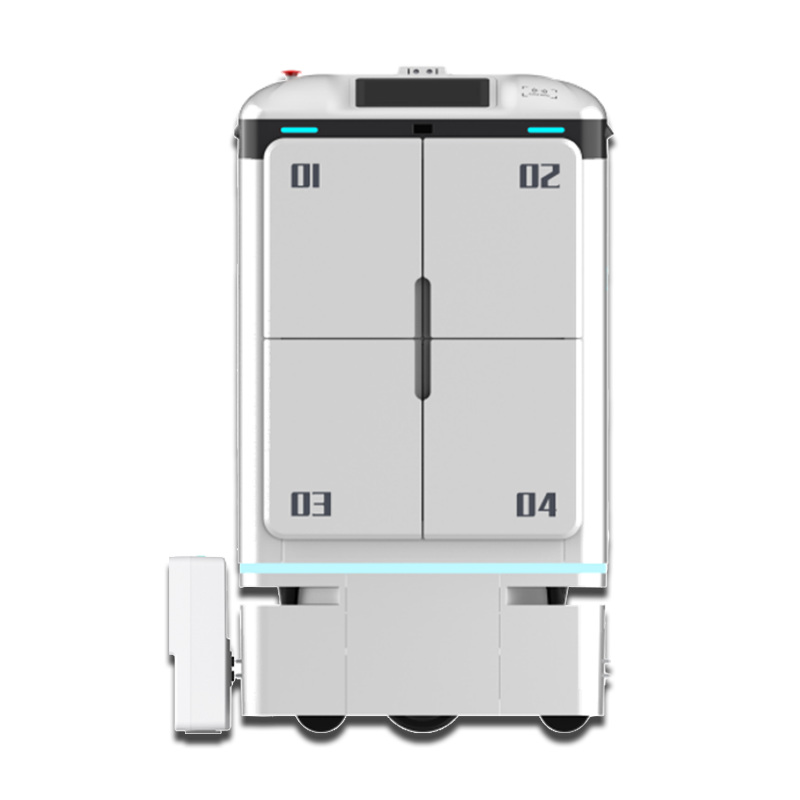
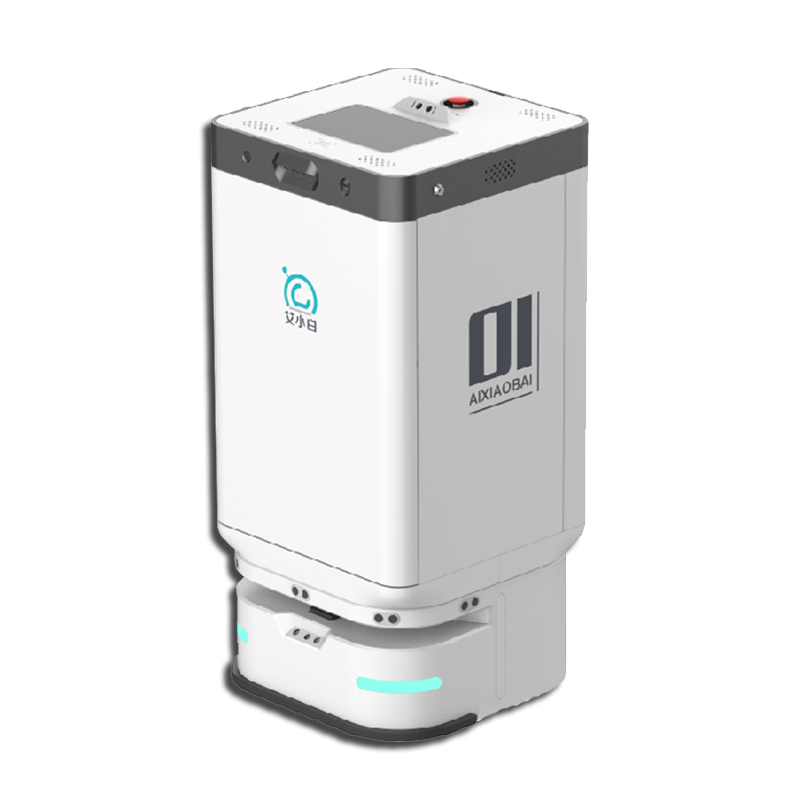
Hospitals operate on tight schedules and limited budgets, where every minute and staff hour counts. Delivery robots are quietly stepping in to handle tasks that used to take nurses, orderlies, or support staff away from patient care. From transporting medications and lab samples to moving meals and clean linens, these robots keep operations running smoothly without increasing labor costs. By taking over repetitive tasks, hospitals can reduce expenses while allowing staff to focus on what they do best, caring for patients, resulting in a leaner and more efficient workflow that benefits everyone.
Labor Cost Reduction: Replacing Manual Transport to Reclaim Clinical Staff Time
One of the biggest expenses in a hospital is not medicine or equipment but people. Nurses and support staff spend hours each day walking through hallways carrying medications, lab samples, meals, and supplies. While these tasks are essential, they take staff away from patient care, which requires their expertise. Delivery robots can handle these routine transport jobs, freeing clinical staff to spend more time with patients. For example, in a medium-sized hospital, nurses might spend an average of ninety minutes per shift moving items between floors and departments, adding up to dozens of hours each week that could be spent on rounds, education, or monitoring critical cases. With robots handling these runs, hospitals can reduce overtime costs, avoid hiring extra support staff, and make existing teams more productive. Implementing robots does not replace people but allows staff to focus on higher-value work. A hospital in Singapore introduced robots for medication deliveries between the pharmacy and wards, and within a month nurses reported spending more time with patients and less time navigating crowded hallways. The hospital also saved on temporary staffing during peak hours. The benefits go beyond finances. Reclaiming staff time reduces burnout, improves morale, and leads to better patient outcomes. When human energy is focused on the tasks that truly matter, hospitals operate more efficiently, and patients feel the difference. Delivery robots are not a replacement for people; they are a tool that allows clinical teams to work smarter and more effectively.
Throughput Acceleration: Reducing Delivery Times to Speed Up Clinical Workflows
Speed is critical in a hospital where lab results, medications, and surgical instruments must move quickly between departments. Any delay can slow treatments, extend patient stays, and create workflow bottlenecks. Delivery robots help by transporting items faster and more reliably than manual methods. Unlike humans, robots do not get tired, lost, or distracted and follow optimized routes even during peak hours. Lab samples that might take staff fifteen to thirty minutes per trip can be delivered faster by robots, which can make multiple runs without breaks. Hospitals using robots report noticeable improvements. For example, a hospital in Germany introduced robots to move surgical instruments between sterilization and operating rooms, allowing surgeries to start on time and reducing delays caused by missing equipment. Robots also prevent workflow interruptions by handling deliveries that would otherwise pull nurses or orderlies away from patient care. The result is smoother, faster, and more predictable operations that benefit both staff and patients. Delivery robots act as silent accelerators, keeping critical hospital processes running efficiently while letting human teams focus on care.
Founded in 2013 and headquartered in Suzhou, China, Esseniot is a global provider of automated and integrated intralogistics solutions.