 EN
EN AR
AR NL
NL FR
FR DE
DE EL
EL HI
HI IT
IT JA
JA KO
KO PT
PT RU
RU ES
ES TL
TL ID
ID SR
SR UK
UK VI
VI HU
HU TH
TH TR
TR FA
FA SW
SW UR
UR TA
TA KK
KK
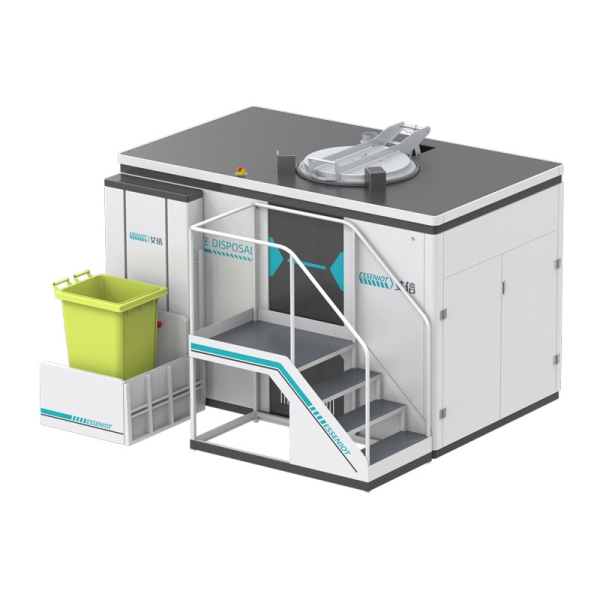
Hospitals and clinics produce a variety of waste products which must be disposed of on a daily basis, however not all this waste can be dealt with in-house. The materials have been identified as being too dangerous, too much or require special treatment at a specialised facility. There may be safety concerns, damage to equipment and/or legal concerns if the system is not operated properly. Some chemical waste, for instance, can't be treated normally, and some pharmaceutical waste is not suitable for being destroyed normally. It will let the staff know what to stay away from so that they don't make any mistakes and also can help them in keeping the people and environment safe and secure from the medical wastes being placed in the Medical Waste On-site Disposal System .
Pathological waste: why anatomical materials require special handling
Pathological wastes are any human tissues, organs, body parts and fluids removed during surgery, biopsy or autopsy. This is a waste that is quite different from the hospital waste stream. It poses a greater risk due to the fact that it can contain infectious agents and it is not broken down safely by most on-site systems.
Pharmaceutical waste: expired and contaminated drugs
Pharmaceutical waste is a category of waste that involves unused or contaminated drugs found in pharmacies, hospitals and clinics and medicines that have expired. This may not seem as serious as infectious waste, but also needs to be treated with caution. A number of these materials may contain chemicals that can react with the normal on-site systems in an unpredictable manner. A problem is many on-site medical waste units are not designed to completely degrade pharmaceutical compounds. When processed without adequate controls, traces of chemicals may still be in the residue from these drugs. This can be a hazard if the residue is accidentally deposited in soil or water systems.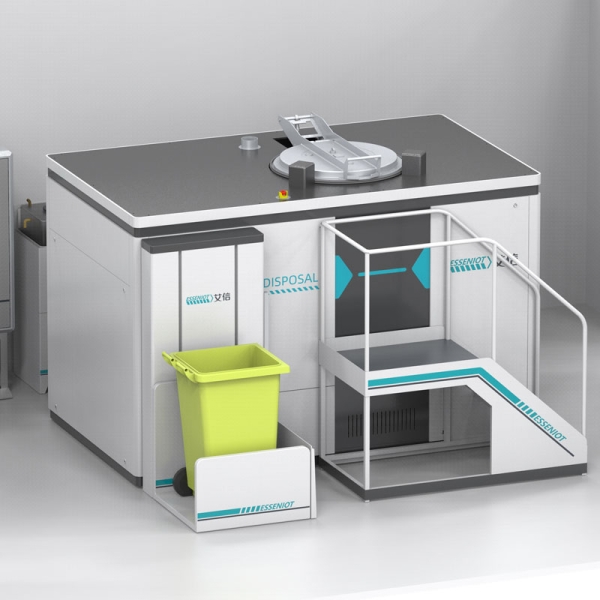
Chemical and radioactive waste streams explained
Another two streams that commonly occur in hospitals and labs, which are not safe to be processed with standard medical waste on site waste treatment systems, are chemical and radioactive waste. Both require additional control as they are extremely different from normal clinical waste. Chemicals normally considered to be chemical wastes include laboratory chemicals and reagents, chemicals used for cleaning, disinfectants, and unused chemicals. The majority of these chemicals are corrosive, flammable or reactive. The basic one is strong disinfectants in Operating rooms. These may result in damage to equipment or in unsafe reactions in a treatment unit not intended for such chemicals. A combination of chemicals and organics is sometimes possible, which can lead to the release of harmful gases.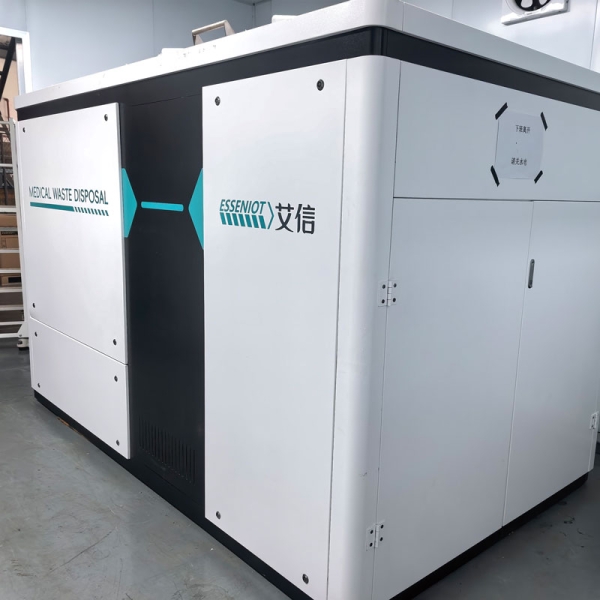
Large metal instruments: limitations and risks
Large pieces of metal equipment that are part of a regular healthcare environment like surgical trays, orthopedic tools, and heavy stainless steel equipment can seem like a regular medical waste stream, but they do not fit comfortably into on-site treatment systems. The problem is not just infection risk, its size, weight and response in treatment equipment. Medical waste systems are generally developed for softer items such as dressings, plastics and small sharps. Items of large metal can damage the shredders or jam the moving parts inside, or slow down the shredding process.
Genotoxic waste and regulatory compliance requirements
One of the most sensitive forms of medical waste is a genotoxic waste, which can be found in hospitals, especially in the cancer wards, in research institutes and in some sections of the pharmacies. It contains compounds that can have a long-term effect on the health of the person or affect material in the genes.
Founded in 2013 and headquartered in Suzhou, China, Esseniot is a global provider of automated and integrated intralogistics solutions.