 EN
EN AR
AR NL
NL FR
FR DE
DE EL
EL HI
HI IT
IT JA
JA KO
KO PT
PT RU
RU ES
ES TL
TL ID
ID SR
SR UK
UK VI
VI HU
HU TH
TH TR
TR FA
FA SW
SW UR
UR TA
TA KK
KK
Medical waste is a problem that piles up easily in hospitals and clinics after each surgery, test and treatment. Items such as contaminated gloves, bandages and sharps should not be thrown in regular trash. This is an on-site solution that can be done by using friction heat technology. In this system, the waste is shredded as it is spun at high speed. This friction generates heat which in turn kills harmful germs within the waste. For instance, a small provincial hospital may have a clinic which can process its waste immediately after it is collected rather than sending it off. This Medical Waste On-site Disposal System makes everyday waste disposal more convenient and safe.
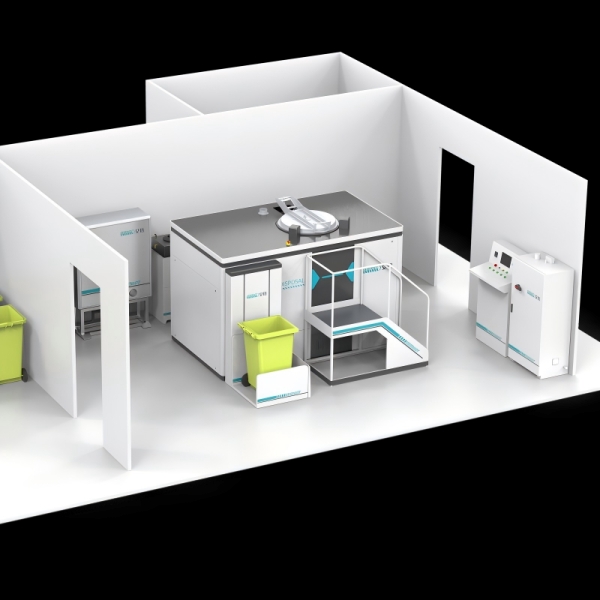
How Friction Heat Technology Delivers Safe Medical Waste Disposal
It starts by the time that the medical waste is loaded into a space to contain the medical waste. In space the waste is cut into pieces. Simultaneously the space rotates at a very high rate. The rotation at high speeds creates friction and heat, until the temperature is high enough to cause injury to any harmful bacteria, viruses, and pathogens, hence destroying them. The benefit of this system is that you do not need any fuel or any sort of external heating. The friction from moving the chamber provides all the heat needed. Thus the system is useful even inside a clinic or hospital, where a full scale incinerator may be a lot of trouble, or difficult to access for the necessary fuel. It is a system like this used at many small and medium sized medical establishments, which stops infectious medical waste being transported to treatment plants miles away. Let us take the example of a district hospital at a coastal city. At the hospital they had to keep the infectious waste before trucks came to collect it few times a week before treatment. There were a lot of bags of waste sometimes accumulating, which the staff had to be careful to store in an appropriate place. They installed the friction heat machine, and started to treat waste daily. The bags of waste became very much smaller, and the material looked nothing like medical products, but resembled broken bits of something dry. It made storage easier and safer. Only minimal staff training will be provided for operating it on a daily basis. First, the waste has to be segregated and then loaded into the machine. The machine then runs automatically in a cycle, and when completed, the treated waste cools down, and it is disposed into regular waste containers. A small hint is to not overfill the container space. Keeping correct volumes for the batches will help make the heating more uniform and the machine run more smoothly. Regular cleaning, especially around the blades, will prevent clogging and also make the blades move slower. This will help medical facilities gain better control over their waste disposal especially when the waste can not be delivered in a reasonable time or to adequate treatment plants far away.
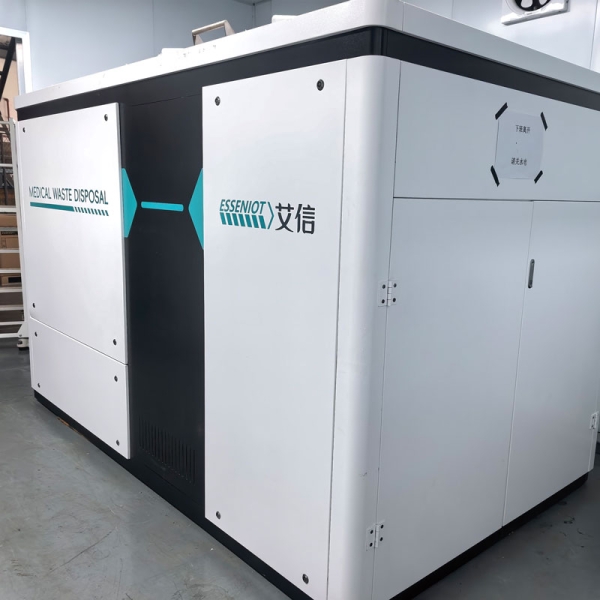
Why Friction-Based Treatment Is Efficient and Reliable
The medical waste treatment method based on friction is suitable, because three processes can be accomplished in one closed system: shredding, heating and decontamination. All waste processing takes place in one chamber, not in various machines, or off-site. This makes the process easy and decreases the possibility of error in handling. It is efficient because of the way heat is generated. External fuel and burners are not used. The friction of the constant rubbing and rapid motion in the chamber causes heat. The temperature reaches high enough as the blades cut and mix the waste, so as to destroy/weaken any harmful microorganisms. The heat is being produced where the waste is being processed, thus reducing the waste of energy. The controlled environment in the machine provides reliability. Little risk of contamination spreading during treatment as chamber is sealed. The cycle begins and once it starts, goes in the same sequence every time, which helps in getting a consistent result. This is important for hospitals that work with infectious materials on a daily basis. It is readily apparent in a rural health center where the patient volume is not fluctuating, but the treatment plants for large quantities of waste are not readily available. Prior to friction systems, they were operated by weekly pickup. Oftentimes, there were delays which resulted in storage problems. Once on-site treatment , staff started to process smaller amounts of waste every day. This minimized storage pressure, and facilitated more predictable waste handling. One benefit is that it needs little maintenance. Typical maintenance includes checking blades, cleaning the chamber and checking cycle performance, which is only necessary for most systems. These tasks can typically be performed with simple training by staff.
Turning Hazardous Waste into Safe, Disposable Material
The waste will no longer appear or act like medical waste after treatment. The contaminated materials like used gloves, dressings, plastic tubes are decomposed into small dry particles. The mixture of shredding and heat will break down the materials and eliminate most of the biological hazards. The material is at this stage non-infectious. It cannot transmit diseases as medical waste that is not treated can. The shift is what makes onsite friction based systems valuable in hospitals seeking to decrease storage time and handling risks. For instance, a community clinic which administers daily injections and minor procedures. Prior to the onsite treatment, they were required to place used materials in sealed bins and wait for pick-up. At times, the storage room had additional bags of delay. They switched to friction heat treatment, and started processing waste on a daily basis. The product was transformed into dry crumbly material which was suitable for safe final disposal without special handling. The basic concept is to alter the waste, rather than “erasing” it. Upon treatment it becomes non-infective and reduces the risk to staff and waste handlers. This also decreases the risk of leaking, odors and attracting pests while in storage.
Founded in 2013 and headquartered in Suzhou, China, Esseniot is a global provider of automated and integrated intralogistics solutions.