 EN
EN AR
AR NL
NL FR
FR DE
DE EL
EL HI
HI IT
IT JA
JA KO
KO PT
PT RU
RU ES
ES TL
TL ID
ID SR
SR UK
UK VI
VI HU
HU TH
TH TR
TR FA
FA SW
SW UR
UR TA
TA KK
KK
Hospitals are under constant pressure to improve safety, control costs, and manage waste more responsibly. For many years, centralized medical waste disposal models were seen as the standard solution because they allowed hospitals to collect waste and send it to outside treatment facilities. However, changing regulations, rising transportation costs, and concerns about infection risks are making healthcare providers rethink this approach. More hospitals are now exploring new ways to handle medical waste closer to the source. Understanding the limits of traditional systems can help hospital managers choose safer, more efficient waste management methods that fit modern healthcare needs.
Hidden Operational Risks In Waste Transportation And Temporary Storage
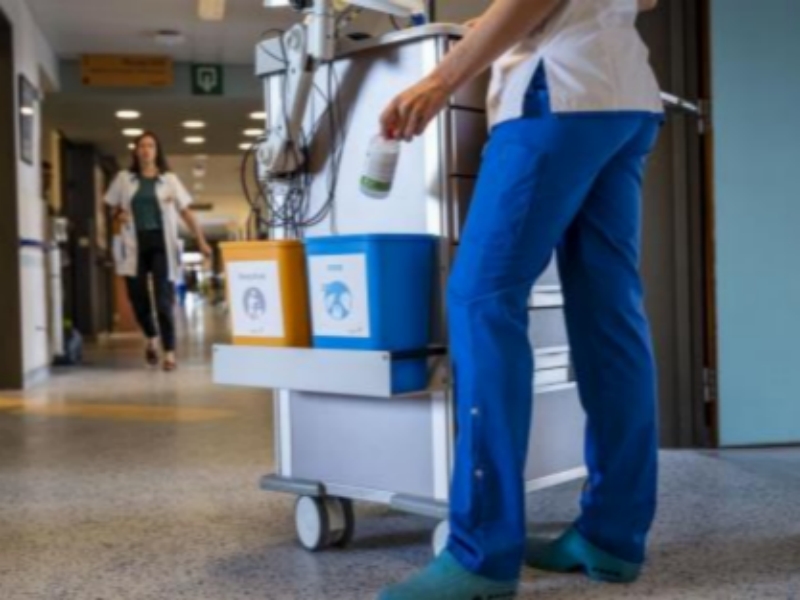
Traditional medical waste systems often depend on collecting waste from different hospital areas, storing it temporarily, and transporting it to external treatment facilities. While this approach has been used for years, it can create hidden operational risks that hospitals may overlook. Every step between waste generation and final disposal adds another chance for problems to occur.
One major concern is transportation. Medical waste may travel through hospital corridors, loading areas, and public spaces before leaving the facility. During this process, bags can tear, containers can leak, or handling mistakes can happen. A small error can expose healthcare workers, cleaning staff, patients, and visitors to harmful materials. Hospitals with large campuses may face even greater challenges because waste often needs to travel longer distances before reaching collection points.
Temporary storage areas also create risks when waste cannot be treated quickly. Medical waste that sits for long periods may produce unpleasant odors, attract pests, or increase the chance of contamination. Storage rooms require strict control over temperature, access, cleaning schedules, and container management. If any part of this process is poorly managed, the hospital may face safety issues and compliance problems.
Real-life situations have shown why these concerns matter. During periods of high patient volume, such as the COVID-19 pandemic, many hospitals experienced a sharp increase in medical waste, including used protective equipment and testing materials. Some facilities struggled with limited storage space and delayed waste pickup, creating extra pressure on staff who were already managing heavy workloads.
To reduce these risks, hospitals can review their current waste flow from the moment waste is created until it leaves the facility. Simple steps, such as placing collection points closer to waste sources, training staff on proper handling, and monitoring storage conditions, can make daily operations safer. Some hospitals are also looking at medical waste on-site disposal system options that reduce the amount of waste needing transportation and long-term storage.
A better waste management approach does not only focus on final disposal. It starts with reducing risks at every stage of the process, especially where small operational problems can become bigger safety concerns.
The Growing Demand For On-Site Treatment Capabilities In Healthcare Facilities
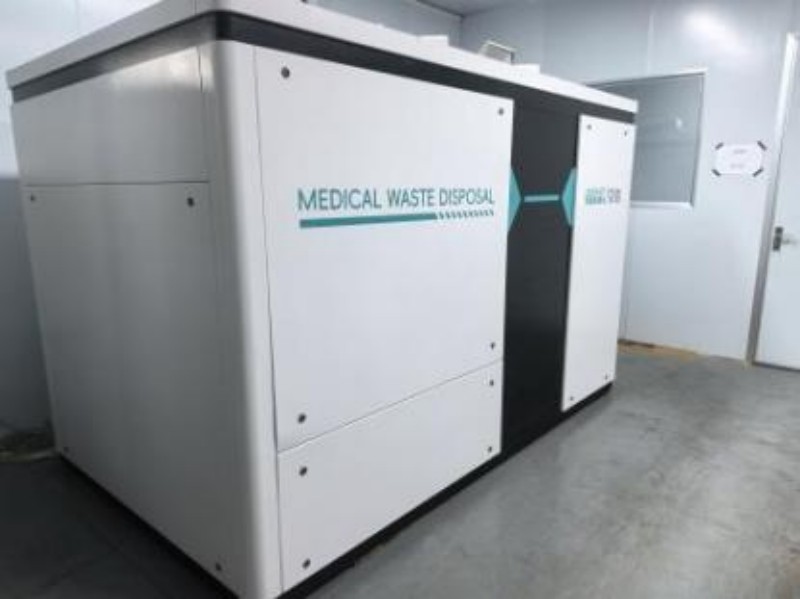
Healthcare facilities are beginning to look beyond traditional waste disposal methods as they search for safer and more flexible solutions. One growing trend is the move toward on-site medical waste treatment, where hospitals can process certain types of waste within their own facilities instead of relying completely on outside disposal companies. This approach helps healthcare providers gain more control over waste handling and reduce some of the challenges linked to transportation and storage.
One reason hospitals are considering on-site treatment is the need for faster waste management. Large hospitals can produce significant amounts of infectious waste every day, including used medical supplies, contaminated materials, and laboratory waste. When waste must wait for scheduled collection, storage areas can quickly become crowded. On-site treatment allows hospitals to manage waste closer to where it is produced, helping reduce storage time and improving workflow.
Another factor is emergency preparedness. Events such as disease outbreaks, natural disasters, or transportation disruptions can affect waste collection services. During the COVID-19 pandemic, some healthcare facilities faced difficulties when waste volumes increased while external services became stretched. Hospitals with stronger internal waste management systems were better prepared to handle sudden changes in demand.
On-site treatment also supports better monitoring. Hospital teams can track how waste is processed and ensure that safety procedures are followed at each stage. For example, a facility can create clear routines for waste segregation, equipment maintenance, and staff training. These steps help prevent mistakes and improve overall compliance with healthcare waste regulations.
However, adopting medical waste disposal system requires careful planning. Hospitals need to consider equipment costs, available space, staff training, maintenance needs, and local environmental rules before making a decision. The goal is not simply to replace an existing system but to create a waste management process that matches the facility's size, resources, and daily operations.
As healthcare continues to grow and waste challenges become more complex, on-site treatment is becoming an option worth exploring. It gives hospitals another way to improve safety, reduce dependency on external services, and build a more reliable medical waste management system.
Balancing Compliance, Safety, And Operational Efficiency In Waste Management Strategies
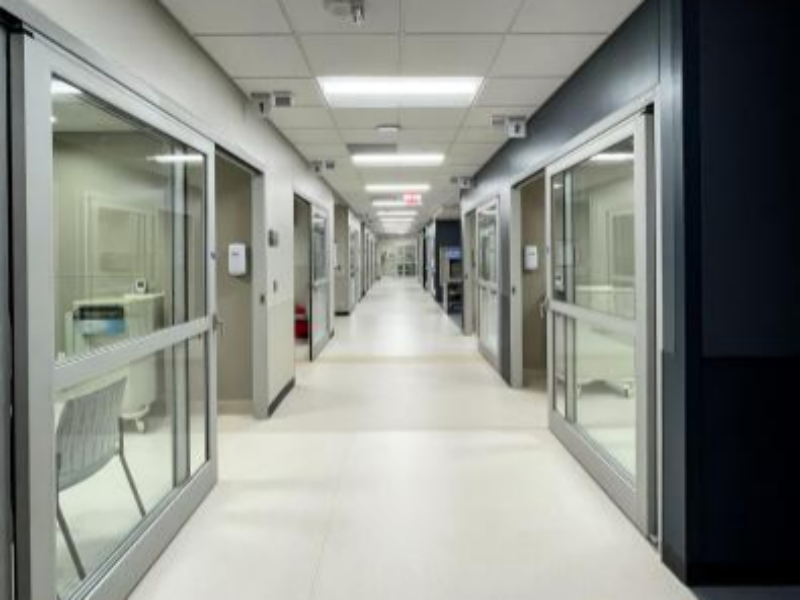
Managing medical waste is not only about removing waste from a hospital. Healthcare facilities must find a balance between following regulations, protecting people, and keeping daily operations running smoothly. A waste management strategy that focuses on only one area can create problems in another. Hospitals need a complete approach that supports safety while also fitting into their normal workflow.
Compliance is one of the most important parts of medical waste management. Healthcare facilities must follow strict rules for waste separation, labeling, storage, transportation, and treatment. These requirements help prevent exposure to infectious materials and reduce environmental risks. However, compliance should not be viewed as just a checklist. Hospitals need systems that make proper waste handling easier for doctors, nurses, and support staff during their busy schedules.
Safety is closely connected to how well waste procedures are designed. For example, placing the right waste containers near medical waste treatment system areas can help staff separate materials correctly at the point of disposal. Clear signs, regular training, and simple handling procedures reduce confusion and lower the chance of accidents. Even small improvements, such as checking container conditions regularly or creating better waste collection routes, can make a noticeable difference.
Hospitals also face challenges with how efficiently they operate. Handling waste should not get in the way of treating patients or add extra tasks for medical staff. If waste systems are poorly designed, they can cause delays, require more work, and increase expenses. A smooth, well-run process lets workers focus on patient care while waste is managed safely behind the scenes.
Many modern hospitals are reviewing their waste strategies by studying where problems happen most often. Some are improving waste segregation programs, while others are investing in technology that supports better tracking and treatment. The right solution depends on factors such as hospital size, waste volume, available resources, and local requirements.
A successful medical waste management strategy brings compliance, safety, and efficiency together. Instead of treating waste disposal as a separate task, hospitals are starting to see it as an important part of overall healthcare operations. A carefully planned system can protect workers and patients while helping facilities operate more effectively every day.
Founded in 2013 and headquartered in Suzhou, China, Esseniot is a global provider of automated and integrated intralogistics solutions.